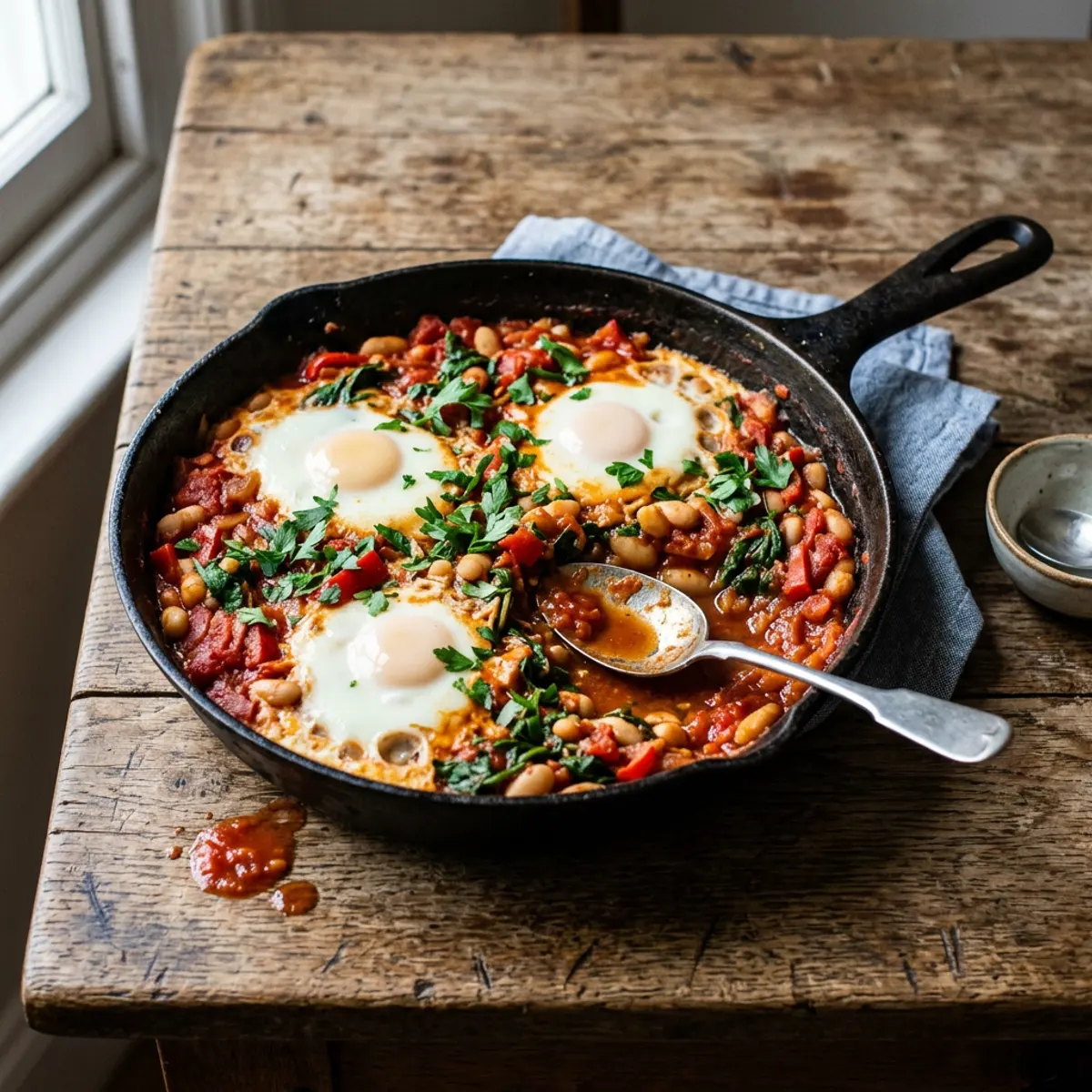
The short version: Are eggs anti-inflammatory? Not as far as the trials show. A 2019 meta-analysis of randomized trials found eggs had no significant effect on blood markers of inflammation in adults. They look neutral, which is why this white bean shakshuka surrounds them with olive oil, tomatoes and greens.
A pan of tomatoes, beans and greens is a real dinner before the eggs even go in. That is the way to think about eggs here: they neither rescue nor ruin the plate, so what you cook around them does the work. One serving has about 299 calories and 16 g of protein, and the card below gives you exact amounts.
Eggs and inflammation, question by question
| The question | What is on the plate | What the evidence shows | Main caution |
|---|---|---|---|
| An anti-inflammatory food? | One large egg in each serving of this recipe | No significant effect on blood markers in the 2019 meta-analysis | Cook until the yolk is firm (FDA) |
| On a list of anti-inflammatory foods? | The same egg, with beans and greens | Harvard's review lists eggs neither as an anti-inflammatory example nor as a food to limit | Limits differ with diabetes (Mayo Clinic, Harvard) |
| Boiled, specifically? | A plain cooked egg | No study we read compares boiling with other methods | Eat within 1 week of cooking (FDA) |
| Hard boiled, on an eating plan? | A plain cooked egg as a snack | Not studied on its own in the abstracts we read | Keep it refrigerated (FDA) |
| Good for an anti-inflammatory way of eating? | 299 calories and 16 g of protein a serving here | Trials point to neutral, so the rest of the plate matters | Egg allergy is common in children (MedlinePlus) |
Are eggs anti-inflammatory? What the trials found
Five papers from PubMed speak to the question most directly, and we read their abstracts on October 30, 2026. Together they point to neutral, with a few small hints that deserve caution.
- The widest view. A 2019 systematic review and meta-analysis in the Journal of the Science of Food and Agriculture (PMID 31259415) pooled nine randomized trials. Eggs did not significantly change C-reactive protein, interleukin-6 or TNF-alpha compared with controls. This is the strongest evidence of the five.
- A small trial with a different result. In a 2020 crossover trial in Nutrients (PMID 33066009), 23 people with metabolic syndrome ate three eggs a day or took a choline supplement for four weeks. Interleukin-6 fell with both compared with baseline, and C-reactive protein fell with the eggs. The group was small, the comparison was with baseline, and three of the authors have received funding from the American Egg Board/Egg Nutrition Center.
- Omega-3 enriched eggs, first look. A 2021 randomized study in Nutrients (PMID 34071714) gave 40 healthy young adults regular or omega-3 enriched eggs. Only the enriched group shifted toward lipid mediators linked with resolving inflammation, a lab signal and not a health outcome.
- Omega-3 enriched eggs, second look. A 2020 trial in Nutrients (PMID 32722083) gave healthy young men enriched chicken and four enriched eggs a week for eight weeks. It reported no demonstrable effect on inflammation markers, so the two enriched-egg studies do not line up.
- One meal at a time. A 2018 crossover trial in the British Journal of Nutrition (PMID 30160222) replaced part of a glucose load with whole eggs, egg whites or yolks in men with prediabetes. Inflammatory markers did not differ between the meals over three hours.
None of this shows that eggs treat or prevent an inflammatory condition, and none of it shows that they cause inflammation in the adults studied. Food supports a healthy way of eating; it does not replace medical care.
Are eggs part of an anti inflammatory diet?
They can sit on the table, though they are not its point. Harvard's Nutrition Source review says there is no single anti-inflammatory diet, and that this style of eating generally emphasizes fruits and vegetables, unsaturated fats, minimally refined whole grains, tea, coffee, herbs, spices and oily fish. It limits sweetened drinks, refined carbohydrates, fried foods and fatty processed meats. Eggs appear on neither of its example lists.
So the useful question is what the eggs are keeping company with. Mayo Clinic makes a similar point about the heart: the foods people eat with their eggs, and how they are cooked, might matter more than the eggs. Harvard's review also describes a randomized trial in people at risk of cardiovascular disease, in which a Mediterranean diet rich in vegetables, legumes, nuts, seafood and olive oil lowered several markers of inflammation compared with a low-fat diet. That was a whole way of eating, not one food. We read the trials the same way for a creamy staple in is Greek yogurt anti-inflammatory?.
Are eggs good for anti inflammatory diet plans?
Neutral is a fair word for it, as long as you read the rest of the plate. Harvard's page on eggs places them in the middle of the range of breakfast choices for heart disease risk: better than sugary, refined options, behind oats with nuts and berries. Its advice is to keep eggs moderate to low and to lean on plant proteins when possible, which is the reason the white beans are here and each serving holds just one egg.
Are hard boiled eggs anti inflammatory?
No study we read looks at boiled eggs on their own or compares them with fried or poached ones, so nothing here says boiling changes the answer. What boiling does change is the fat in the pan, since it needs none. Keep them cold and eat them within a week of cooking, as the FDA advises. If you like your eggs scrambled instead, our scrambled eggs with cottage cheese are a different kind of quick breakfast.
Why this shakshuka works
Shakshuka is a simple idea: a spiced tomato sauce thick enough to cradle an egg. Two things change the usual version. The beans turn a light dish into a meal that holds you, and the spinach goes in at the end, so it stays dark and soft instead of disappearing. The sauce has to thicken before the eggs go in, because a loose sauce floods the wells and the whites spread. Finish with olive oil, lemon and parsley off the heat, and the whole pan wakes up.
What goes in
- Crushed tomatoes and red pepper. The body of the sauce, sweet once cooked down.
- White beans, 240 g. Drained and rinsed, for fiber and more protein.
- Baby spinach, a big handful. It cooks down to almost nothing, so do not be shy.
- Eggs, one a serving. Large, cracked straight into the sauce.
- Olive oil, garlic, paprika and cumin. A drizzle at each end of the cooking, and spice in the middle.
Calories, protein and how we got them
A quarter of the pan comes to about 299 calories, 16 g of protein, 35 g of carbohydrate and 13 g of fat, with about 814 mg of sodium. We added up USDA FoodData Central values for each ingredient, using raw eggs and regular canned tomatoes and beans, so treat the total as an estimate. Choosing no-salt-added canned tomatoes will bring the sodium down.
Common mistakes
- Adding the eggs too early. Wait until the sauce holds a line.
- Skipping the lid. The tops of the eggs need steam to firm up.
- High heat at the end. The bottom scorches before the yolks set, so keep it low.
- Forgetting to rinse the beans. The canning liquid adds salt and thins the sauce.
Ways to change it
None of these swaps went into Kerth's pan: straight from the card, it had the texture Kerth was after, tasted delicious and came together quickly. Kerth would cook it again.
- Bring some heat. Add a pinch of chili flakes with the paprika.
- Swap the beans. Chickpeas or lentils work in the same amount, though the numbers will shift.
- Serve it with grains. Spoon it over a bowl of warm whole grains and share it from the middle of the table.
- Use a different green. Chopped chard or kale need a few extra minutes in the sauce.
If you are planning a full week around this way of cooking, our Mediterranean diet meal plan gives you a place to start. For another question of the same kind, see whether sweet potatoes are anti-inflammatory, or the white potato version in are potatoes anti-inflammatory?.
Keeping and reheating
Refrigerate leftovers within 2 hours in a shallow container and use them within 3 to 4 days, then reheat until hot, to 165°F (74°C), as the FDA advises. The sauce keeps its flavor well, so you can also make it ahead without the eggs, then reheat it and cook the eggs fresh when you are ready to eat.
Safety: who should avoid or limit eggs
- Undercooked eggs. The FDA advises cooking eggs until both yolk and white are firm, and egg dishes to 160°F (71°C), to prevent illness from Salmonella. It names children, older adults, pregnant women and people with weakened immune systems as being at greater risk of severe illness.
- Egg allergy. MedlinePlus lists eggs among the most common food allergies, mostly in children. Key signs include hives, a hoarse voice and wheezing, and a severe reaction can be life threatening.
- Diabetes, heart disease or high cholesterol. Mayo Clinic says research on eggs and diabetes is mixed and more is needed. Harvard says people with diabetes and heart disease may do best with no more than three yolks a week, and that people who have trouble controlling their cholesterol may want to be cautious about yolks. Ask your doctor or dietitian what fits you.
- Inflammatory conditions. If you live with arthritis or another inflammatory disease, talk to the clinician who follows you before changing your diet, and do not stop a medicine because of a food.
How we checked the numbers
- Studies: a targeted PubMed search on October 30, 2026 for eggs with inflammatory markers. We read the five abstracts cited above, not the full papers.
- Health and safety: the Harvard Nutrition Source pages on the anti-inflammatory diet and on eggs, Mayo Clinic on eggs and cholesterol, the FDA on egg safety and MedlinePlus on food allergy, all read on October 30, 2026.
- Nutrition: USDA FoodData Central values, ingredient by ingredient (for example whole raw egg). Canned foods vary by brand, so the totals stay estimates.
Are Eggs Anti-Inflammatory? The Trials Say Neutral, So Here Is a White Bean Shakshuka
Tomatoes, white beans and spinach simmered with eggs until firm, next to what randomized trials report about eggs and blood markers of inflammation.
Ingredients
Instructions
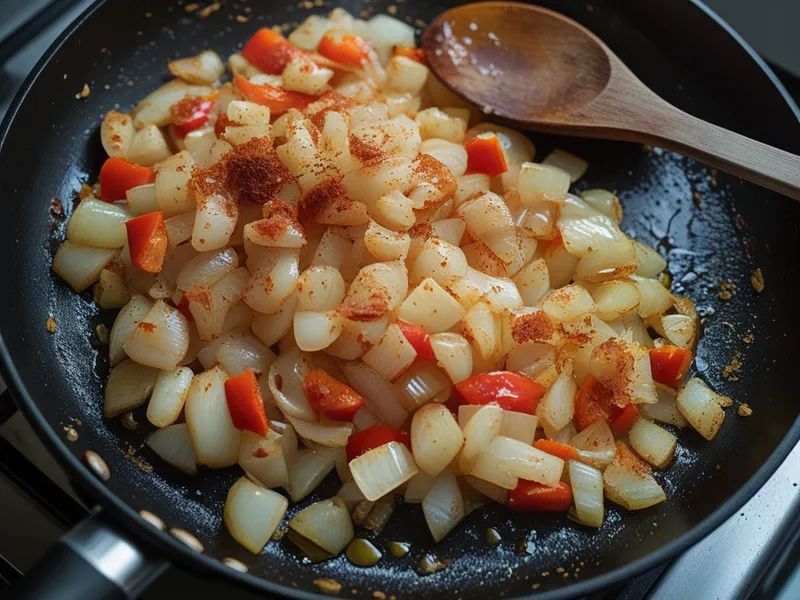
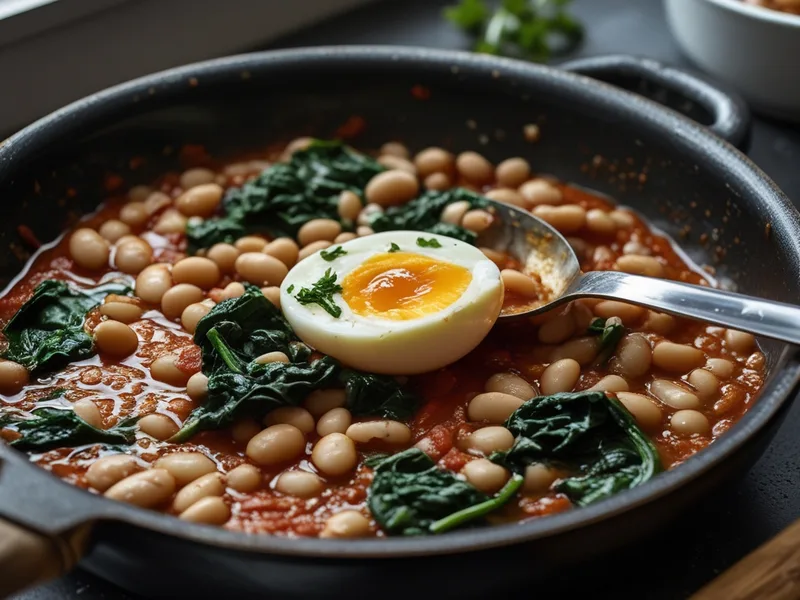
- Soften the vegetables. Warm 1 tablespoon of olive oil in a 12-inch (30 cm) skillet over medium heat. Cook the onion and red pepper for 8 to 10 minutes, stirring now and then, until soft and pale gold. Stir in the garlic, paprika and cumin and cook for 1 minute, until fragrant.
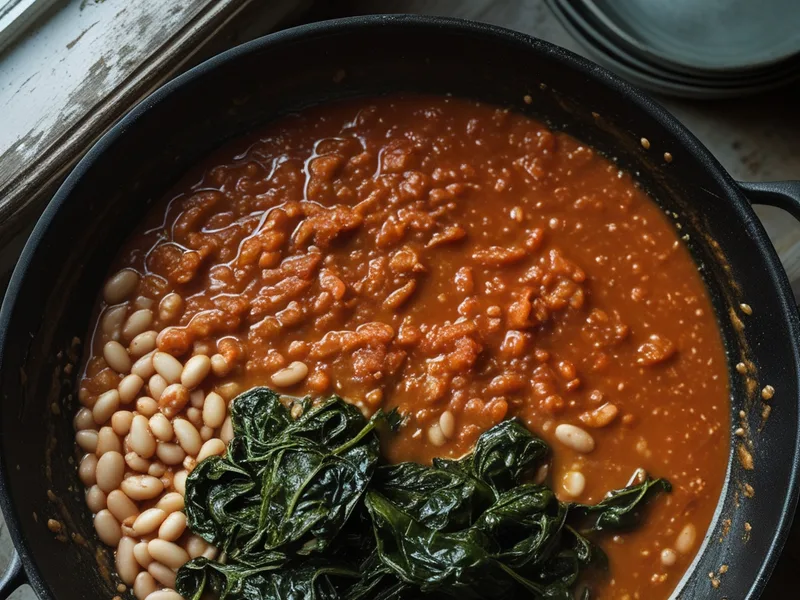
- Simmer the sauce. Pour in the crushed tomatoes, add the salt and black pepper, and simmer for 10 to 12 minutes, until the sauce thickens enough to hold a line drawn with a spoon. Stir in the white beans and the spinach and cook for 2 to 3 minutes, until the spinach collapses.
- Cook the eggs until firm. Make four wells in the sauce with the back of a spoon and crack an egg into each. Cover the pan, turn the heat to low and cook for 8 to 12 minutes, until both the whites and the yolks are firm. Times are a range, so check an egg with the tip of a spoon before you turn off the heat. Finish with the second tablespoon of olive oil, the lemon juice and the parsley.
Notes
A thick sauce holds its wells. If the wells close up, simmer for a few more minutes before adding the eggs.
A lid that fits matters here, because the steam is what firms the tops of the eggs.
A slice of whole-grain bread is good for the sauce, and it is not counted in the numbers.
Nutrition Facts
Per serving (estimated)
- Total Fat
- 13 g
- Sodium
- 814 mg
- Total Carbohydrate
- 35 g
- Protein
- 16 g
General information, not medical or dietary advice. Nutrition values are estimates. See our full disclaimer.
Frequently asked questions
What are the benefits of eating eggs daily?
Mayo Clinic describes eggs as an affordable source of protein and other nutrients, and says most healthy people can eat up to seven a week without raising their risk of heart disease. The picture is less settled for people with diabetes, so ask your doctor if that is you.
Is an anti-inflammatory diet real?
It is a real style of eating, but Harvard's Nutrition Source says there is no single plan and that research on how it works is not conclusive. A randomized trial of a Mediterranean diet in people at risk of cardiovascular disease did lower several markers of inflammation compared with a low-fat diet.
What drinks reduce inflammation in the body?
No drink we read about is shown to reduce inflammation on its own. Harvard's review names tea and coffee among the items an anti-inflammatory style of eating emphasizes, and sweetened drinks among those to limit.
What foods are rich in fiber and have anti-inflammatory properties?
Harvard's review names high-fiber whole grains among its examples and points to fruits and vegetables as the base of this way of eating. It describes them as foods that may help within a whole diet, not as a treatment.

Comments
Tried it? Tell us how it went: your comment helps other readers.