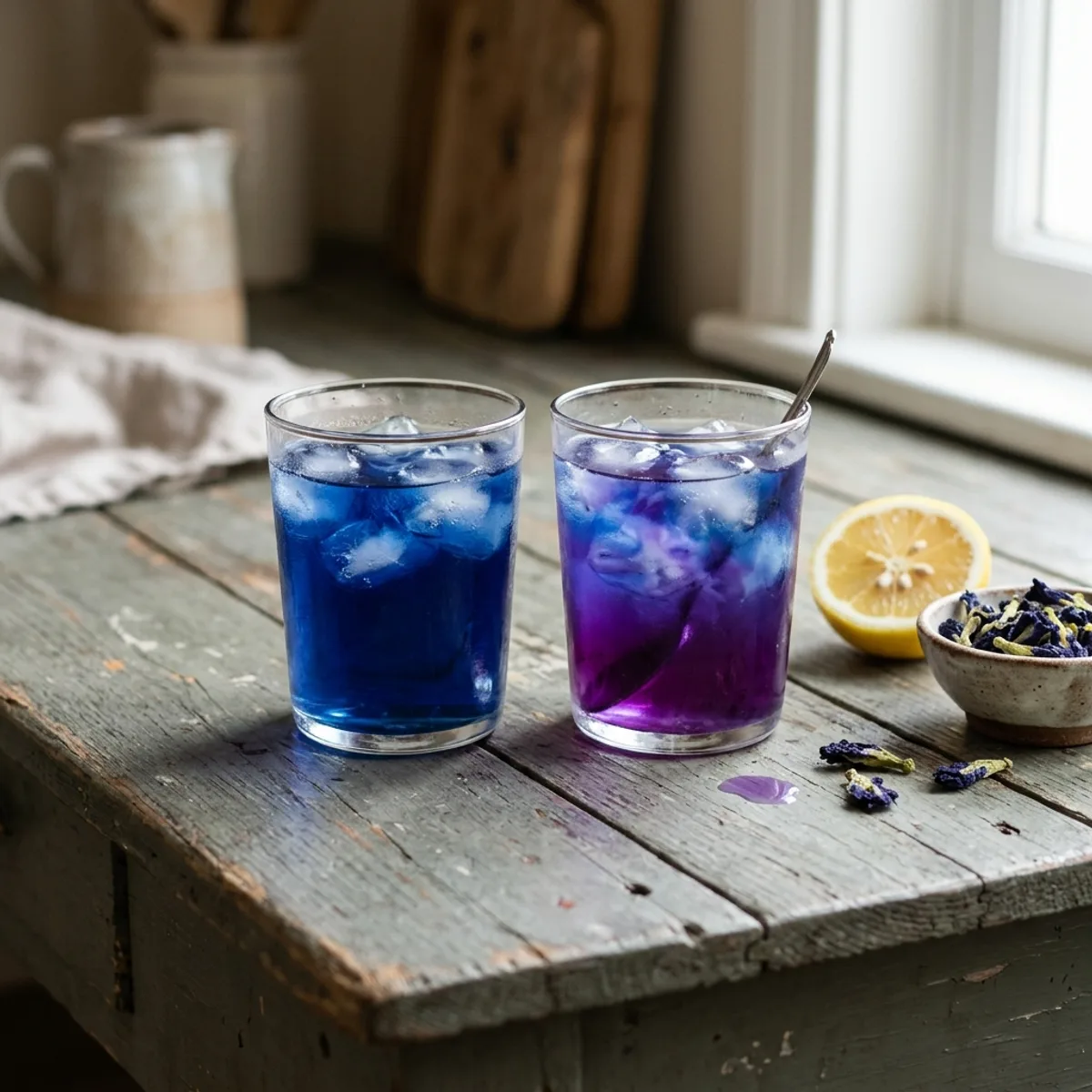
Butterfly pea flower tea is dried blue flowers steeped 5 to 8 minutes in water just off the boil, then finished with lemon at the table so the cup turns from blue to violet. With 1 tsp of honey, a mug of this recipe has about 27 calories. It is mild, woody and caffeine-free when the flowers are pure.
The difference in this butterfly pea flower tea recipe is one detail: when the lemon goes in. Add it in the kitchen and you serve a purple drink. Add it at the table and you serve a small moment. Everything else is restraint. The flower has a quiet, earthy taste, so it needs very little help.
What goes in, and why each part matters
- Dried butterfly pea flowers. The flower of Clitoria ternatea, a climbing plant. Two tablespoons for two mugs gives a deep cobalt color. Buy them sold as food or tea.
- Water just off the boil. Boiling water pulls the color out fast. A minute of rest keeps the flavor clean.
- Lemon juice. The acid that changes the color, and the flavor that lifts an otherwise very gentle cup.
- Honey, optional. One teaspoon per mug. I prefer to taste the tea first: many people find they want less than they expected.
Why the tea turns from blue to purple
The blue comes from anthocyanins, the same family of pigments that colors blueberries and red cabbage. The FDA rule on butterfly pea flower extract, the purified version used to color drinks, names anthocyanins as its principal coloring component.
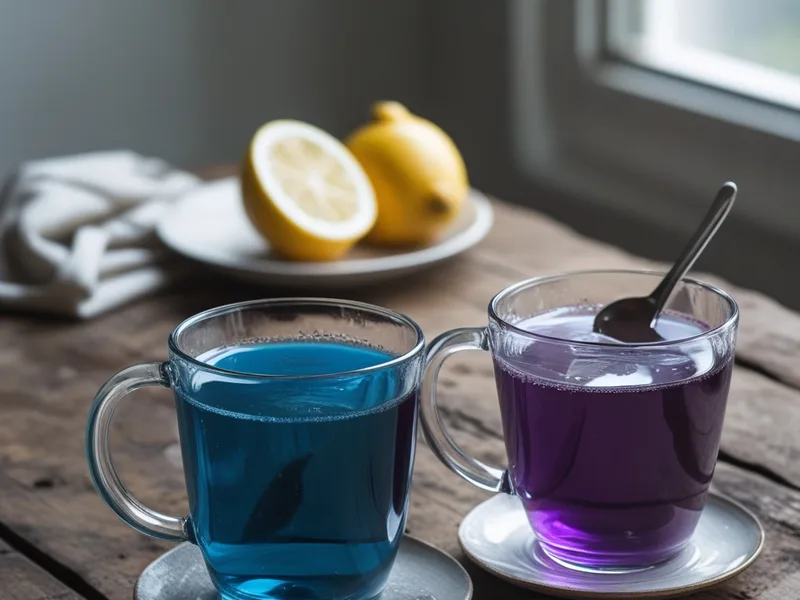
These pigments change color with acidity. In plain water the tea is blue. Add lemon or lime and it moves toward violet, then toward magenta with more acid. Nothing is wrong with the tea: it is the same drink, wearing a different color. If you would rather get your anthocyanins from fruit you can chew, our antioxidant smoothie starts from blueberries.
One practical consequence: the tea is a gentle indicator. If your water is very hard or your lemon is weak, the shift will be softer. Add the juice a little at a time and stop at the color you like.
Butterfly pea flower tea recipe, hot or iced
Hot. Follow the recipe card. Serve the mugs blue, with a small jug of lemon juice beside them.
Iced. Let the strained tea cool to room temperature, then chill it. Fill tall glasses with ice and pour the tea over. The ice dilutes it a little, so steep toward the 8-minute end for a stronger color.
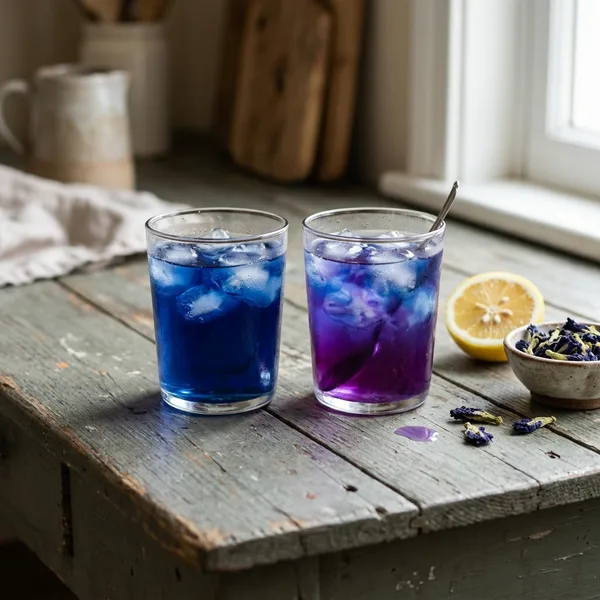
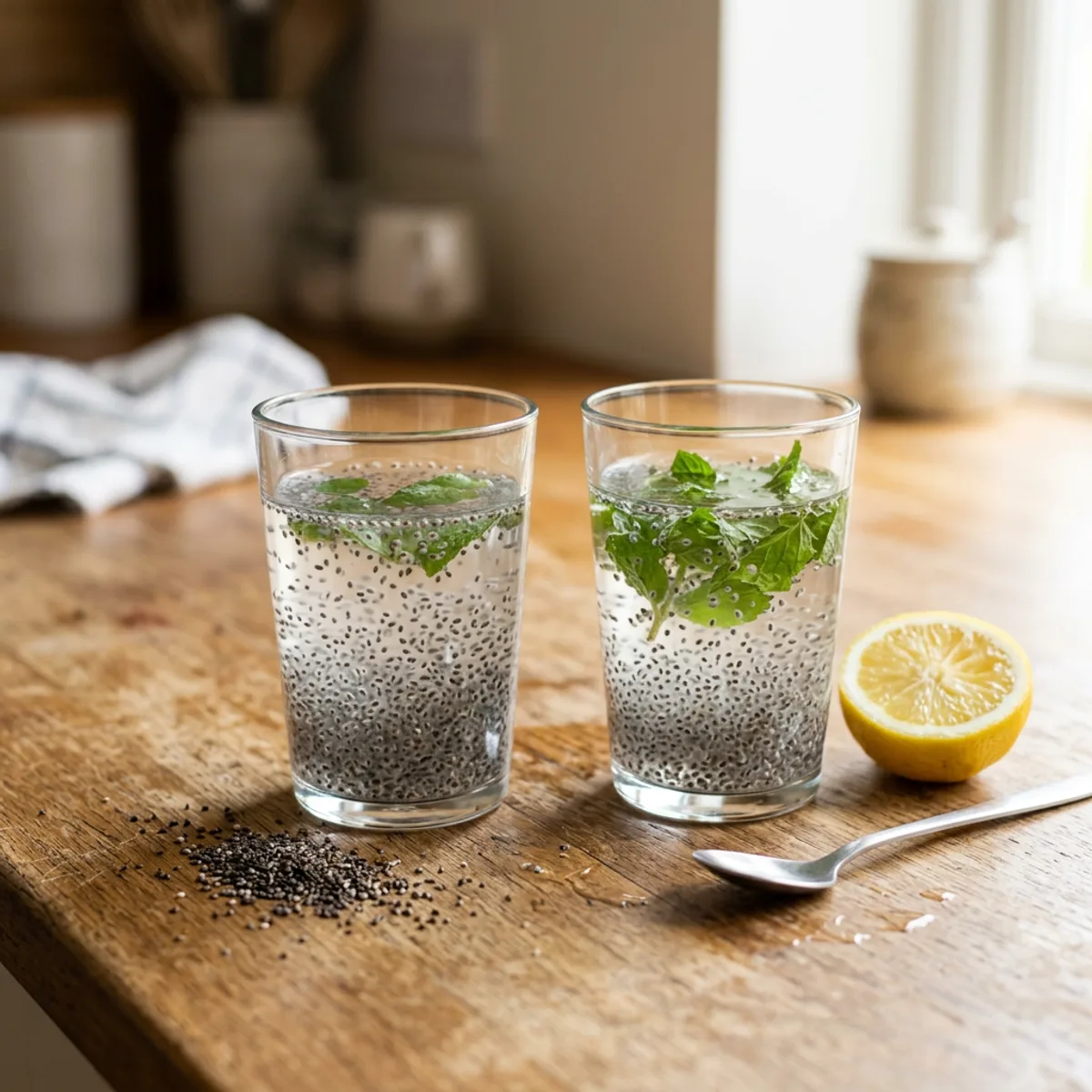
Layered iced glass. Put the lemon juice and honey in the bottom of the glass, add ice to the top, and pour the cold blue tea slowly over the back of a spoon. The bottom turns violet and the top stays blue until you stir. This is the version that photographs best and needs no syrup.
Delicious, quick to put together and just the body Alin was hoping for: that is how this recipe, followed to the letter on November 4, turned out, and Alin would brew it again.
Butterfly pea tea benefits: what one small trial found
Short answer: the evidence is one small, short trial. It is interesting, and it is not enough to call this tea a health drink.
In a randomized crossover trial published in 2018 in BMC Complementary and Alternative Medicine (PMID 29310631), 15 healthy men in their early twenties drank five different beverages on separate days: 50 g of sugar in water, 1 g or 2 g of butterfly pea flower extract in water, or the sugar drink with 1 g or 2 g of the extract added. The researchers measured blood sugar, insulin and several markers of antioxidant capacity over three hours.
- With sugar, adding the extract lowered the rise in blood sugar and insulin in the first 30 minutes.
- On its own, the extract did not change blood sugar or insulin in the fasting state. The authors note there was no drop into low blood sugar.
- Antioxidant markers in the blood rose after the extract, and malondialdehyde, a marker of damage to fats in the blood, fell.
What this trial cannot tell you is just as concrete:
- It tested an extract, not a mug of tea. A measured 1 or 2 g of extract is not the same thing as two tablespoons of flowers steeped at home, and nobody has measured how much ends up in a cup.
- It was 15 young, lean, healthy men, once. No women, no older adults, no people with diabetes, no daily drinking.
- Antioxidant markers are not health outcomes. A rise in a blood test over three hours does not show a lower risk of any disease.
So the honest benefit is the plain one. A mug of butterfly pea tea, sweetened lightly or not at all, is a colorful drink with almost no calories that can take the place of a soda or a sweet iced tea.
Calories in a mug
The numbers come from USDA FoodData Central, added ingredient by ingredient. USDA has no entry for brewed butterfly pea flowers, so I used its entry for brewed herbal tea other than chamomile for the tea itself, plus lemon juice and honey.
One mug, with 1 tbsp of lemon juice and 1 tsp of honey, has about 27 calories, 7 g of carbohydrate and 3 mg of sodium, with no fat or protein worth counting. Almost all of it is the honey: 1 tsp of honey alone is about 21 calories. Leave it out and the mug is close to flavored water. These totals are estimates.
Flavor variations
- Lime instead of lemon. Same color change, a sharper, greener taste.
- Ginger. Steep a few thin slices of fresh ginger with the flowers. If you like ginger as the main note, our ginger water is built around it.
- Sparkling. Chill the tea, fill a glass halfway, add lemon, and top with sparkling water.
- Blue latte. Steep the flowers in half the water for a stronger tea, then top each mug with warm unsweetened almond milk. The color turns a soft sky blue. Do not add lemon to this one: acid and milk do not get along. If you want a latte with caffeine and a green color instead, our matcha latte uses the same warm-milk method.
- A tart red cousin. For a different flower with a different color, try our iced hibiscus tea with lime.
Safety and who should be careful
Butterfly pea flower is a food color as well as a tea. Under the FDA's color additive rule (21 CFR 73.69, first issued in 2021 and amended in 2025), a water extract of the dried flowers may be safely used to color foods including teas, flavored waters, fruit drinks and smoothies. That rule covers the purified extract used as a coloring, in amounts consistent with good manufacturing practice. It is not a verdict on drinking strong home-brewed tea every day.
- Long-term and daily use have not been studied in people. The only human trial on PubMed tested single drinks.
- Little official guidance. MedlinePlus, the NIH's consumer health library, has no page on butterfly pea, and the FDA rule above only covers its use as a color. Nothing we read addresses pregnancy, breastfeeding, children or medication.
- Read the label of blends. Some blue tea blends add green or black tea leaves, which bring caffeine.
- Fresh flowers from the garden: only from plants that were never sprayed.
If you are pregnant or breastfeeding, managing a health condition or taking medication, ask your doctor or pharmacist before you make it a daily drink.
Storage
Keep dried flowers in a closed jar in a cool, dark cupboard. Keep brewed tea covered in the fridge and drink it within a day or two, while the color is still bright. Add lemon only to the glass you are about to drink, not to the pitcher.
What I read
- Study: a PubMed search on November 4, 2026 for Clitoria ternatea and butterfly pea with blood sugar, insulin, antioxidant and safety terms. I read the full abstract of the trial cited above; the other results were laboratory, animal, topical or cosmetic studies, not tea drunk by people. I also searched MedlinePlus, which has no page on butterfly pea.
- Official source: U.S. Code of Federal Regulations, 21 CFR 73.69, Butterfly pea flower extract, the FDA color additive listing. Read on November 4, 2026.
- Nutrition: USDA FoodData Central, as linked above. The tea uses the generic brewed herbal tea entry and 237 g per cup, so the totals are estimates.
Butterfly Pea Flower Tea Recipe That Turns Purple With Lemon
Dried blue flowers, water just off the boil, and a squeeze of lemon at the table that turns the cup from cobalt to violet. Hot or over ice, lightly sweetened, with the one small trial on blood sugar read closely and the FDA rule on the flower's blue extract.
Ingredients
Instructions
- Heat the water. Bring 2 cups (475 ml) of water to a boil, then take it off the heat and let it rest for about 1 minute. Water just off the boil draws out the color without a flat, stewed taste.
- Steep the flowers. Put the dried flowers in a teapot or a heatproof jug and pour the water over them. Steep 5 to 8 minutes. The water turns blue within the first minute; the longer steep deepens the color and the soft, woody flavor.
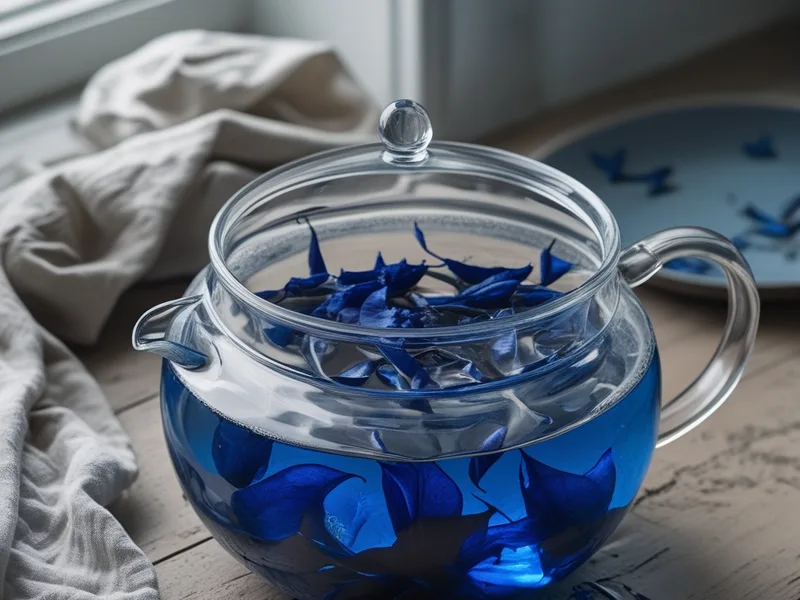
- Strain and sweeten. Strain into two mugs, pressing lightly on the flowers. Stir 1 tsp of honey into each mug if you want it sweet; taste first, because the tea itself is very mild.
- Add the lemon at the table. Pour 1 tbsp of lemon juice into each mug in front of whoever is drinking it. The blue shifts to violet as you stir. For the iced version, let the tea cool, pour it over ice, then add the lemon.
Notes
Add the lemon last. Once it is in, the color does not go back to blue, and the show is half the point.
For a layered iced glass, put the lemon juice and honey in the glass first, fill with ice, then pour the cooled blue tea slowly over the back of a spoon.
Buy flowers sold as food or tea. If you grow the plant, use only flowers you know were never sprayed.
Nutrition Facts
Per serving (estimated)
- Total Fat
- 0 g
- Sodium
- 3 mg
- Total Carbohydrate
- 7 g
- Protein
- 0 g
General information, not medical or dietary advice. Nutrition values are estimates. See our full disclaimer.
Frequently asked questions
Who should not drink butterfly pea flower tea?
MedlinePlus has no page on butterfly pea and the FDA rule only covers its blue extract as a food color, so there is no official list of who should avoid it; the one human trial was run in healthy young men, so the evidence says nothing about pregnancy, children or people on medication. If that is you, ask your doctor or pharmacist before drinking it often.
Can we drink butterfly pea flower tea daily?
No study has followed people drinking it every day for weeks or months; the trial on PubMed tested single drinks. A mug a day as part of a normal diet is a matter of taste, not of proven benefit, and it is worth asking your doctor first if you are pregnant or take medication.
What can you mix with butterfly pea flower tea?
Lemon or lime juice turns it purple, honey sweetens it, and fresh ginger or a strip of lemon peel adds aroma. Cooled, it works over ice or topped with sparkling water, and a splash of unsweetened almond milk turns it into a soft blue latte.
Is it better to drink butterfly pea flower tea in the morning or at night?
Either works. Pure butterfly pea flowers are not tea leaves, and USDA lists 0 mg of caffeine in brewed herbal tea, so a plain cup will not keep you up; blends sometimes add green tea, so read the label before an evening cup.
How do you make butterfly pea flower tea with fresh flowers?
Use the same method: rinse the flowers, pour water just off the boil over them and steep until the water is deep blue. Fresh flowers hold water, so you need a larger handful than with dried ones, and use only flowers from a plant that was never sprayed.
What are the benefits of a butterfly pea flower drink?
The solid ones are simple: a plain mug has about 2 calories and no caffeine (USDA, brewed herbal tea), so it can replace a soda. The only human trial found less of a blood sugar rise when a flower extract was drunk with sugar, in 15 healthy young men, once.
Comments
Tried it? Tell us how it went: your comment helps other readers.