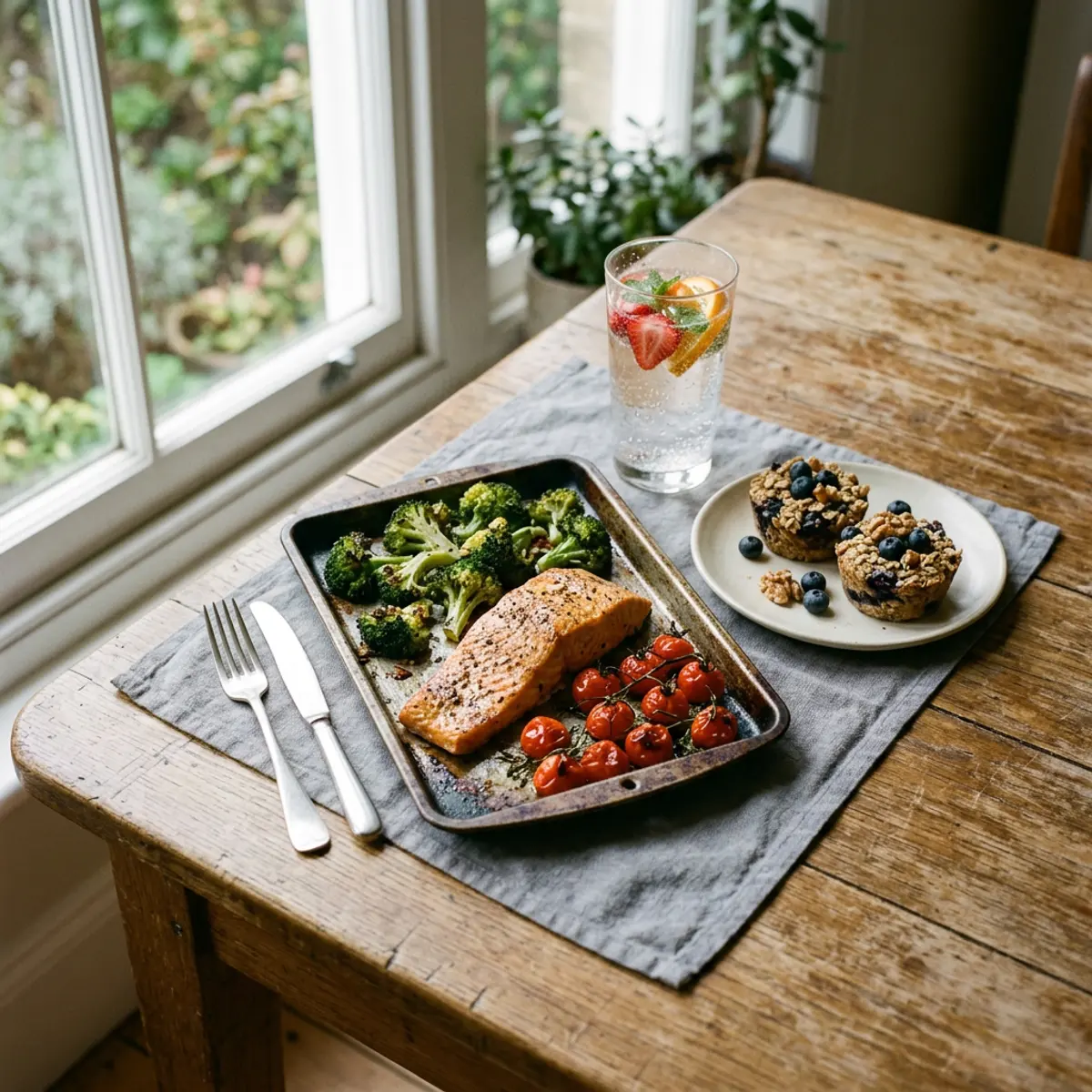
The foods that cause inflammation, according to Harvard Health, are refined carbohydrates, fried foods, sugary drinks, red and processed meat, and margarine, shortening and lard. The trials we read back some of these better than others. Below are the list, the evidence, and three recipes that use what Harvard recommends instead.
| Recipe | What it replaces | Per serving |
|---|---|---|
| Sheet-pan salmon with broccoli and tomatoes | A fried or red meat dinner | 422 calories, 34 g protein, 415 mg sodium |
| Blueberry-walnut baked oatmeal cups | White bread or a pastry at breakfast | 294 calories, 10 g protein, 160 mg sodium |
| Strawberry-orange sparkling water | A can of soda | 28 calories, 1 g protein, 1 mg sodium |
The one detail that matters with a list like this is that it describes a pattern, not a single bad meal. A pastry on Saturday is not the problem the page is about. What I do is make the everyday meals good enough that the list stops mattering: a tray in the oven, a tin of oat cups for the week, a pitcher on the table. If you want the bigger picture first, our anti-inflammatory diet page covers the whole pattern.
What are foods that cause inflammation in the body? Harvard's list
Harvard Health Publishing, in its page on foods that fight inflammation, says to avoid or limit these as much as possible:
- refined carbohydrates, such as white bread and pastries
- French fries and other fried foods
- soda and other sugar-sweetened beverages
- red meat (burgers, steaks) and processed meat (hot dogs, sausage)
- margarine, shortening and lard
Harvard adds that the same foods are generally considered bad for health in other ways, and that unhealthy foods also contribute to weight gain, which is itself a risk factor for inflammation. Several studies it mentions found the link between foods and inflammation remained after researchers took obesity into account, which suggests weight gain is not the only driver.
Harvard's foods that cause inflammation are one institution's summary, and a summary is not a measurement. The next section is what the studies we read add, and where each one stops.
What the studies add, and where they stop
- Fructose versus other sugars, 13 intervention studies, 1,141 people (PMID 29757229). Fructose compared with glucose showed no difference in CRP (-0.03 mg/L), and high-fructose corn syrup compared with sucrose showed none either (0.21 mg/L). The authors rate the evidence low and say it does not support the idea that fructose or HFCS drives inflammation more than other sugars.
- Red meat, 22 randomized trials (1,152 adults) and 10 observational studies (438,925 adults) (PMID 41236373). Across 18 trials, more red meat meant higher CRP (weighted mean difference 0.23, 95 % CI 0.08 to 0.39). The effect appeared with mixed or unspecified red meat but not with unprocessed red meat, and at 0.5 servings a day or more but not below. IL-6 and TNF-alpha did not change, and the observational studies found no association. The authors conclude that people who eat red meat may do well to limit processed red meat.
- Dietary patterns, a meta-analysis of observational studies (PMID 32417914). Healthy patterns were inversely associated with inflammation (r = -0.13) and the Western pattern positively associated (r = 0.11). The inflammatory patterns were consistently marked by high red and processed meat and low vegetables. These are small correlations from observational data, which cannot show cause.
- Olive oil, a systematic review of randomized trials (PMID 31539817). Regular olive oil lowered the inflammation markers CRP, IL-6 and TNF-alpha in the trials reviewed, though the authors say its dose and duration still need work and that comparisons against other fats are lacking.
So the evidence on foods that cause inflammation is not a verdict on every item. It points at processed red meat and at the overall pattern more than at any one food, and the one sugar review we read finds no special role for fructose. We read no trial on sugary drinks themselves, so for soda we rely on Harvard's list alone. Several of these findings rest on markers in the blood, not on how people feel.
Foods that cause joint pain inflammation: what we could and could not find
None of the sources above sorts foods by joint. Harvard lists arthritis among the conditions linked to chronic inflammation, and its list of foods to limit is general rather than specific to joints. We found no study in our search that ties one food to joint pain, so we do not name one. If your joints hurt or swell, a doctor can look at the cause, and a food list should not delay that visit.
Foods that don't cause inflammation: what Harvard says to cook with
Harvard Health's list of foods to include is short: tomatoes, olive oil, green leafy vegetables such as spinach, kale and collards, nuts like almonds and walnuts, fatty fish such as salmon, mackerel, tuna and sardines, and fruits such as strawberries, blueberries, cherries and oranges. It points to the Mediterranean diet as the plan that follows these tenets most closely. Our Mediterranean diet meal plan lays out a week of it.
Nobody can promise that these foods lower your own inflammation. They are foods Harvard recommends and the recipes below are built from them, so each one is a good meal whatever the research later says.
Sheet-pan salmon with broccoli and cherry tomatoes
This replaces a fried fish or a steak dinner. Everything cooks on one tray, in two stages, because broccoli needs a head start that salmon does not. Salmon, tomatoes and olive oil are three of the foods on Harvard's list.
Serves 4. Prep 10 minutes. Cook 22 minutes.
Ingredients
- 600 g (1 1/3 lb) skinless salmon fillets, four pieces of about 150 g
- 400 g (about 4 cups) broccoli florets
- 200 g (about 1 1/3 cups) cherry tomatoes
- 2 tablespoons olive oil
- 2 tablespoons lemon juice
- 1 teaspoon dried oregano
- 1/2 teaspoon salt, divided
- 1/4 teaspoon black pepper
Steps
- Mise en place. Set the oven to 425°F (220°C) and line a large sheet pan with parchment. Cut the broccoli into florets of about the same size so that they brown together.
- Start the vegetables. Toss the broccoli and tomatoes with 1 tablespoon of the olive oil and 1/4 teaspoon of the salt, spread them on the pan and roast for 10 minutes.
- Season the salmon. Mix the remaining oil, the lemon juice, oregano, pepper and the remaining salt. Brush it over the salmon.
- Add and roast. Push the vegetables to the sides, place the salmon in the middle and roast for 10 to 12 minutes, until the thickest part reaches 145°F (63°C). FoodSafety.gov gives 145°F for fish, or cook until the flesh is no longer translucent and separates easily with a fork.
- Serve. Spoon the pan juices over the fish and the vegetables.
Per serving: about 422 calories, 34 g protein, 10 g carbohydrate, 28 g fat, 415 mg sodium. The salmon's weight is raw and the totals are estimates.
Storage: it is at its best the day it is cooked; cold leftovers flake well into a salad.
Make it your own: swap the broccoli for green beans or asparagus, and finish with a few torn basil leaves.
Blueberry-walnut baked oatmeal cups
This replaces white bread or a pastry. It is a plain batter, stirred in one bowl, baked in a muffin tin and eaten for several mornings. Blueberries and walnuts both appear on Harvard's list of foods to include. The sweetness comes from a ripe banana and one tablespoon of maple syrup for the whole batch.
Makes 12 cups, 6 servings of 2. Prep 10 minutes. Cook 25 minutes.
Ingredients
- 240 g (3 cups) rolled oats
- 2 large eggs
- 360 ml (1 1/2 cups) unsweetened almond milk
- 1 medium ripe banana, mashed (about 118 g)
- 150 g (1 cup) blueberries, divided
- 60 g (1/2 cup) chopped walnuts
- 1 tablespoon maple syrup
- 1 teaspoon ground cinnamon
- 1/4 teaspoon salt
Steps
- Heat. Set the oven to 350°F (175°C) and line a 12-cup muffin tin with paper liners.
- Mix the wet. Whisk the mashed banana, eggs, almond milk, maple syrup, cinnamon and salt in a large bowl.
- Add the dry. Stir in the oats, the walnuts and two thirds of the blueberries. Let the batter sit for 5 minutes so the oats drink some of the liquid.
- Fill. Divide the batter among the 12 cups and press the remaining blueberries on top.
- Bake. Bake 25 minutes, until the tops are set and the centers reach 160°F (71°C). FoodSafety.gov gives 160°F for egg dishes. Cool in the tin for 10 minutes.
Per serving (2 cups): about 294 calories, 10 g protein, 40 g carbohydrate, 12 g fat, 160 mg sodium. The banana is counted at the medium USDA weight, so the totals are estimates.
Storage: keep the cups covered in the fridge for up to 3 days; warm one for a few seconds in the microwave.
Make it your own: use raspberries or chopped apple in place of the blueberries. If you want a bigger egg-based breakfast, our page on whether eggs are anti-inflammatory goes through what we read on them.
Strawberry-orange sparkling water
This replaces soda, the second item on Harvard's list. It is not a juice or a soft drink; it is fruit steeped in cold bubbles, and it tastes only faintly sweet. Strawberries and oranges are on Harvard's list of fruits to include.
Serves 4 glasses. Prep 5 minutes.
Ingredients
- 150 g (1 cup) strawberries, hulled and sliced
- 130 g (1 small) orange, sliced into thin half-moons
- 10 fresh mint leaves
- 1 liter (4 cups) plain sparkling water, very cold
- ice
Steps
- Divide. Put the strawberry slices, the orange slices and the mint leaves into four glasses. Press the mint gently with a spoon to release its scent.
- Fill. Add ice and pour the sparkling water over the fruit.
- Serve. Stir once, lightly, and drink right away. Pour the water in last so that the bubbles stay.
Per serving (1 glass): about 28 calories, 1 g protein, 7 g carbohydrate, 0 g fat, 1 mg sodium, counted as if you eat the fruit, which is the upper end. The sodium of the sparkling water is not included and varies by brand, so check the label.
Storage: make each glass when you want it; the bubbles go flat within the hour.
Make it your own: use frozen strawberries in place of fresh, or add a thin lemon wheel. Our warm lemon water is the winter version of a plain drink.
Safety: who should go carefully with an anti-inflammatory food list
- A list is not a diagnosis. Chronic inflammation is something a doctor assesses; Harvard Health links it to several major diseases. If you have persistent pain, swelling or fatigue, see a doctor before you rely on food.
- Do not stop medication on the strength of a food list; any change in treatment belongs to your doctor.
- Allergens: fish (salmon), eggs, tree nuts (walnuts and almond milk).
- Food safety. Cook the salmon to 145°F (63°C) and the oatmeal cups, which contain eggs, to 160°F (71°C), as FoodSafety.gov advises.
Eating well is one part of looking after yourself, and your doctor or dietitian still decides what is right for you.
Where the numbers and facts come from
- Nutrition: each recipe was calculated ingredient by ingredient from USDA FoodData Central: Atlantic salmon, broccoli, tomatoes, olive oil, lemon juice, rolled oats, eggs, almond milk, banana, blueberries, walnuts, maple syrup, strawberries and oranges. Pepper, mint and the small quantities of oregano, cinnamon and salt are included only where USDA gives a weight, and the totals are estimates.
- Studies: PubMed searches on November 17, 2026 for meta-analyses and trials of diet and inflammatory markers. Each study cited above was read through its PubMed abstract.
- Official sources: Harvard Health Publishing, Foods that fight inflammation, an archived page reviewed by Howard E. LeWine, MD; FoodSafety.gov, Safe minimum cooking temperatures. Both read on November 17, 2026.
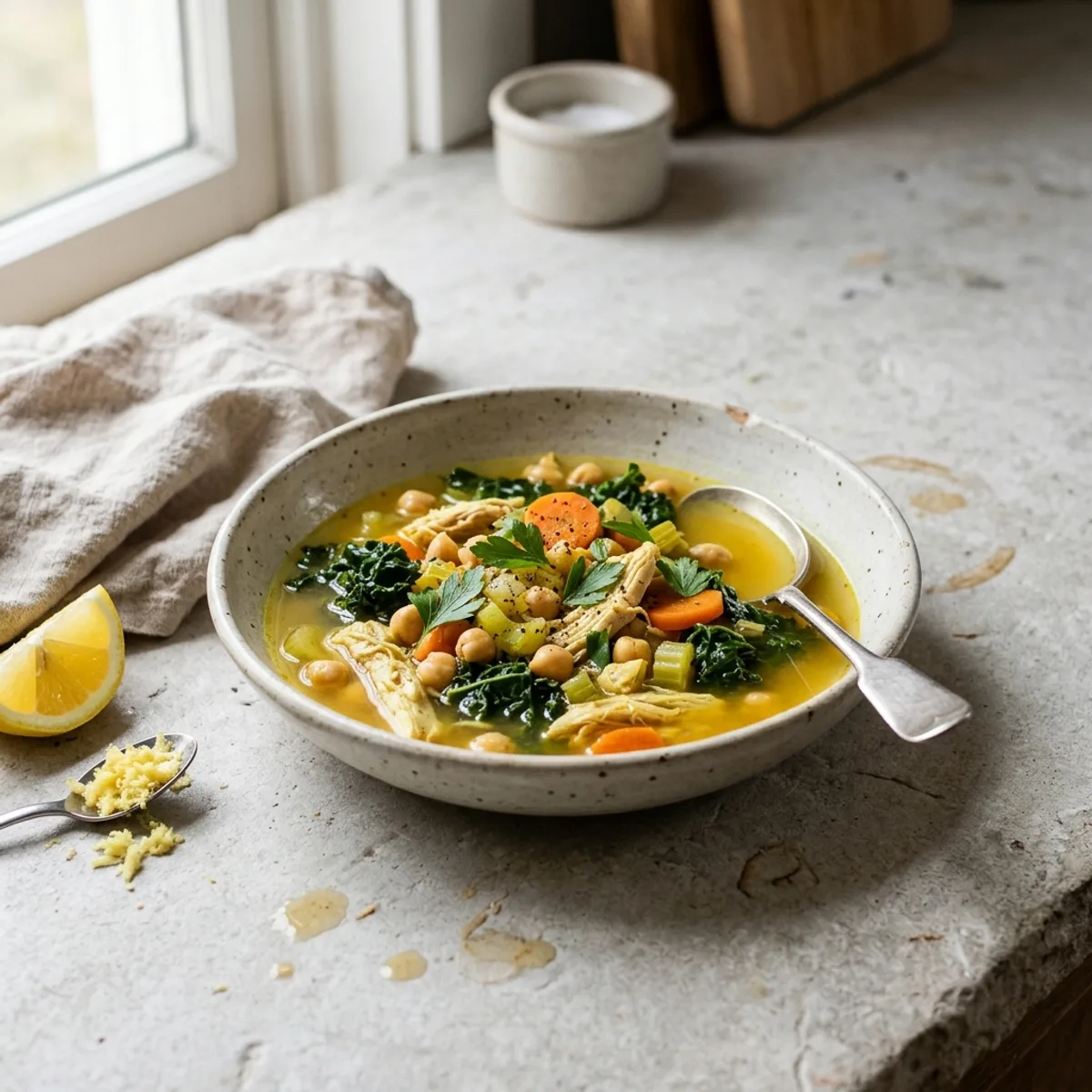
Anti Inflammatory Soup With Turmeric, Ginger, Chicken and Chickpeas
A bowl for a cold evening that follows the same logic as the salmon below, with no processed meat and no refined bread.
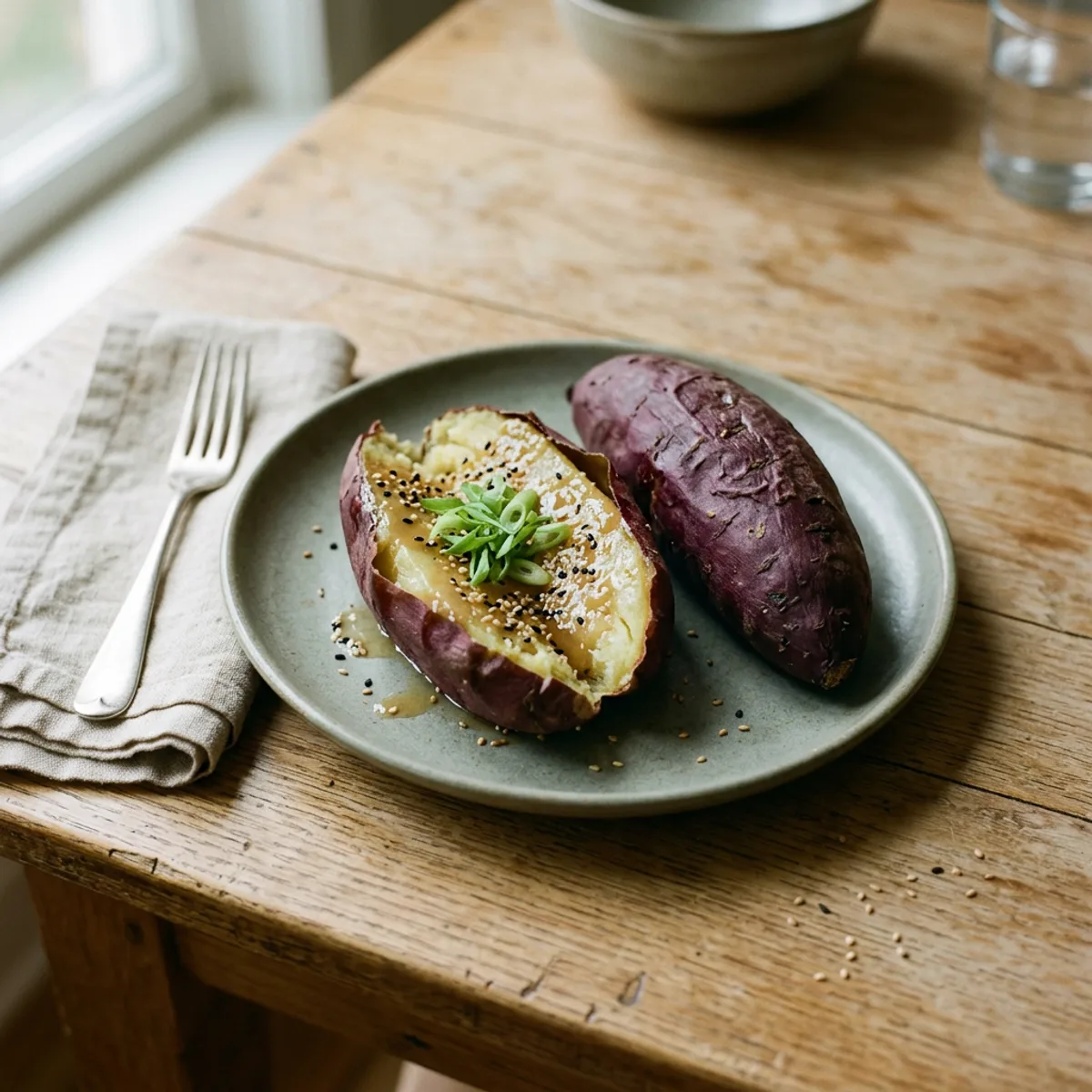
Roast Sweet Potatoes Whole With a Miso-Ginger Glaze
A baked side for the night you would otherwise reach for French fries, which are on Harvard's list.
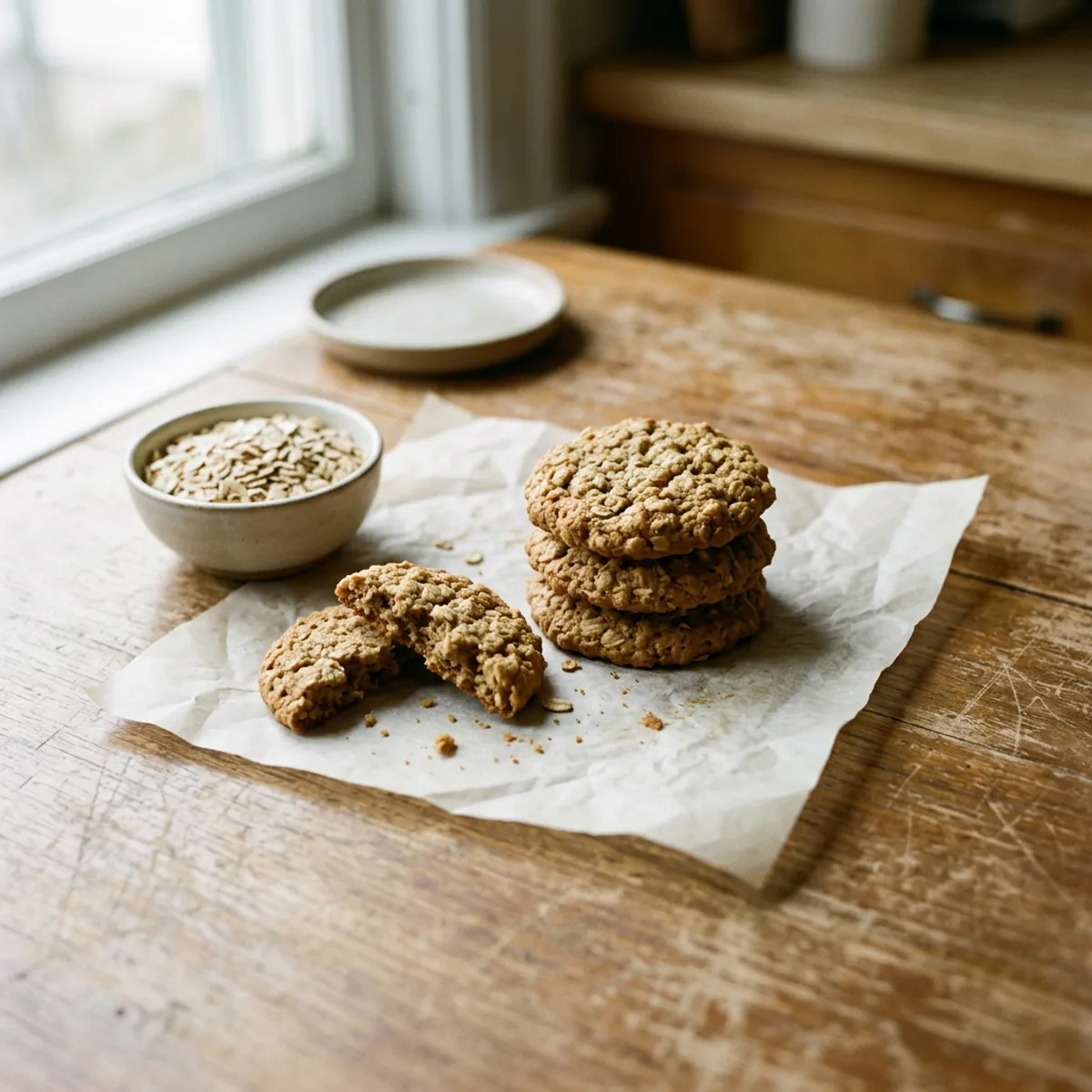
Healthy Oatmeal Cookies That Are Soft and Chewy
A baked sweet for the moment the pastry case calls.
General information, not medical or dietary advice. Nutrition values are estimates. See our full disclaimer.
Frequently asked questions
What is chronic inflammation?
Harvard Health describes it as inflammation that persists, day in and day out, even when you are not threatened by a foreign invader. It says many major diseases, among them heart disease, diabetes, arthritis and Alzheimer's, have been linked to chronic inflammation. Whether you have it is a question for a doctor, not for a food list.
How long does inflammation last?
Nothing we read gives a duration. Harvard Health only separates short bouts that protect you from an infection from inflammation that persists. If you have swelling, pain or a fever that does not go away, see a doctor.
What is the
None of the sources we read ranks habits, so we do not name one. Harvard Health lists foods to limit (refined carbohydrates, fried foods, sugary drinks, red and processed meat, margarine and shortening) and points to a Mediterranean-style pattern overall.
Do artificial sweeteners cause inflammation?
Nothing we read answers this in people, so we cannot say. The studies above are about sugars, red meat and overall diet patterns, and none tests sweeteners. If you want to cut sugar, plain sparkling water with fruit, as in the recipe below, is one way to do it without them.
Are there foods that don't cause inflammation?
No food is neutral for everyone, and the sources we read describe patterns rather than single foods. Harvard Health lists tomatoes, olive oil, leafy greens, nuts, fatty fish and fruit as foods to include; the recipes below use several of them.
Comments
Tried it? Tell us how it went: your comment helps other readers.