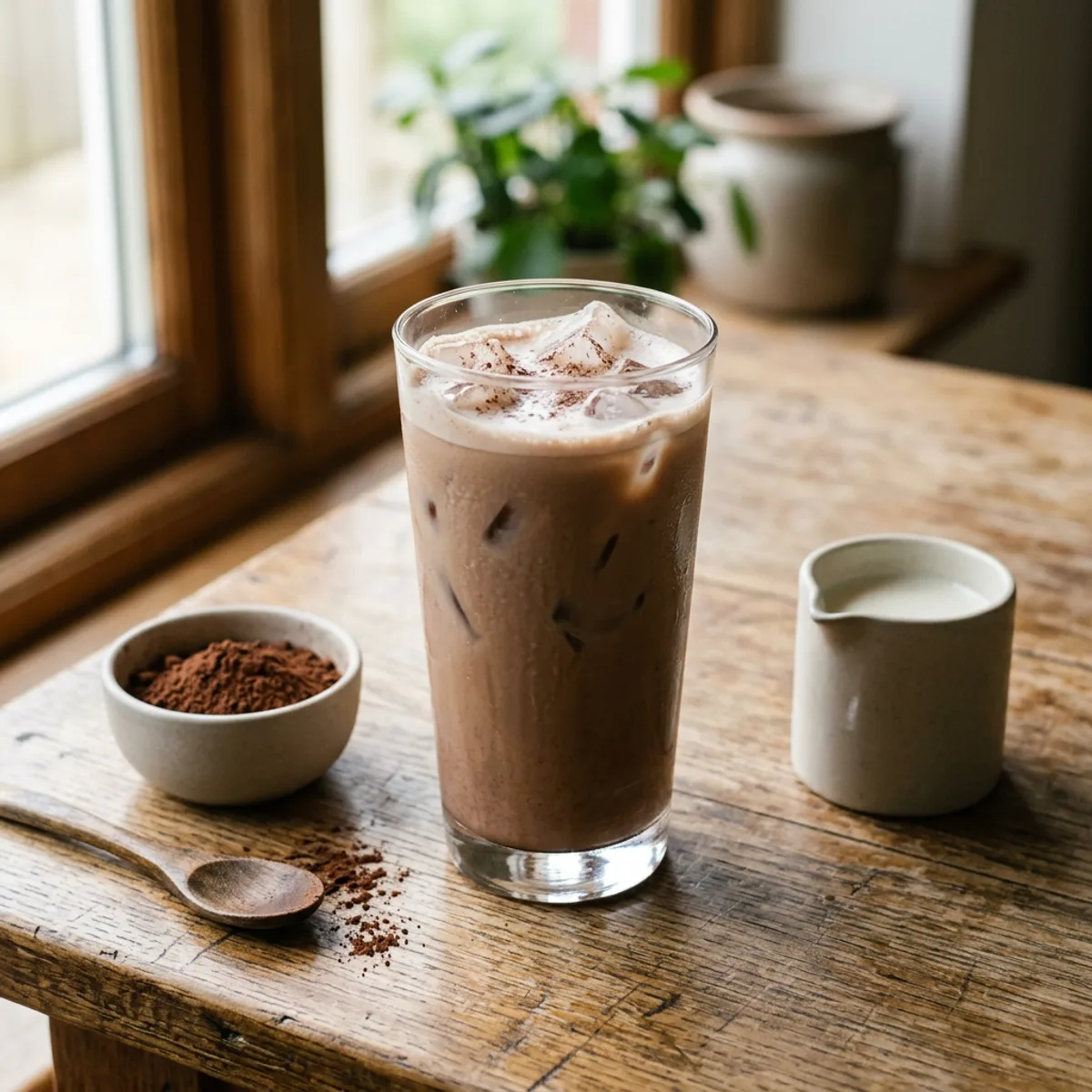
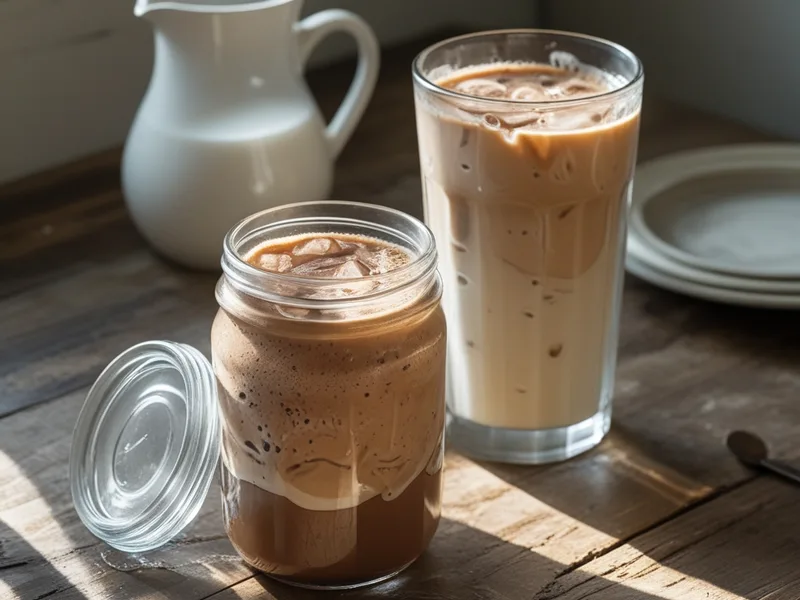
Coffee for weight loss works best as a swap, not a fix. Plain coffee has about 2 calories a cup, and caffeine trials show small, inconsistent drops in weight; the sugar and cream around it are what count. My iced cocoa coffee gives you a café-style glass with about 75 calories, 7 g of protein and no added sugar.
Here is my twist: cocoa instead of syrup. Unsweetened cocoa tastes of chocolate without any sweetness, so it rounds off the bitter edge of the coffee the way sugar usually does. Shake it with cold soy milk and you get a frothy, mocha-like glass that you can drink every morning without counting it as a treat.
Black coffee, this glass and the other cups compared
| Drink | What is in one glass or cup | What the evidence shows | Main caution |
|---|---|---|---|
| Black coffee, brewed | About 2 calories and 95 mg of caffeine per 8-oz cup (USDA) | Caffeine trials pooled in a meta-analysis found small drops in weight, with very mixed results | Caffeine adds up: about 400 mg a day is a moderate amount for most adults (MedlinePlus) |
| This iced cocoa coffee | About 75 calories, 7 g of protein and 107 mg of caffeine, no added sugar (USDA) | No trial has tested this drink; it is a lower-sugar way to drink coffee | The same caffeine limits apply, and cocoa adds a little caffeine of its own |
| Coffee with sugar | About 16 calories per teaspoon of sugar, on top of the coffee (USDA) | In one small trial, coffee raised the desire for sweet foods later in the day | Sugar-sweetened drinks are a leading source of added sugar (CDC) |
| Mushroom coffee | See our mushroom coffee recipe and guide | Not covered on this page | Read the label and the serving size |
Is coffee good for weight loss? What the studies found
The short version: caffeine may nudge weight down a little, coffee on its own does not do the work, and what you add to the cup can cancel the rest.
- Caffeine and body weight. A meta-analysis of 13 randomized trials with 606 participants (PMID 30335479) concluded that caffeine intake might promote reductions in weight, BMI and body fat. For each doubling of caffeine, the average reduction grew by about 22 % for weight and 28 % for fat mass. Two limits matter: the trials disagreed with each other a lot (the heterogeneity was above 90 %), and the review is about caffeine, which is not the same as a daily cup of coffee.
- Coffee and appetite. In a small pilot crossover trial in women with overweight or obesity (PMID 38986627), 240 ml of coffee with breakfast, dosed at 6 mg of caffeine per kg of body weight, did not lower hunger hormones compared with water. It came with a stronger desire for sweet foods, more fructose eaten later in the day and higher triglycerides. One small study cannot settle it, yet it is a good reason to keep the sugar out of the cup.
- Blood sugar. A network meta-analysis of 27 randomized trials with 1,898 people (PMID 30591664) found that caffeinated and decaffeinated coffee did not lower fasting blood sugar compared with water or placebo. A separate meta-analysis of 7 trials (PMID 28031026) found that a single dose of caffeine reduced insulin sensitivity in healthy people in the short term; its authors say long-term trials are needed.
Put together, coffee for weight loss comes down to the cup itself: plain coffee is a fine drink while you lose weight because it costs almost no calories. The research does not show that it melts fat. The CDC's own steps for a healthier weight point to the slower habits: gradual loss of about 1 to 2 pounds a week, and water instead of sugary drinks.
Drinking black coffee for weight loss
Black coffee is the baseline: about 2 calories and 95 mg of caffeine in an 8-oz cup of brewed coffee, per USDA. Nothing to count.
The trouble starts with the extras. A teaspoon of granulated sugar adds about 16 calories, and coffee-shop drinks are often sweetened several times over. The CDC names sugar-sweetened beverages among the leading sources of added sugar in the American diet and recommends no more than 10 grams of added sugars per meal.
If you like black coffee, keep it. If you drink it black only because you feel you should, and then reach for something sweet an hour later, a glass like the one below may be easier to live with.
Timing. No study I read pins down a best hour for weight. Sleep is the better guide: the CDC suggests avoiding caffeine in the afternoon and evening when tiredness is the problem.
Why cocoa and soy milk work here
- Cocoa paste first. Cocoa powder is fatty and fine, so it repels cold liquid. Two tablespoons of hot coffee turn it into a paste in seconds, and the rest of the cup blends in smoothly.
- Soy milk for the protein. Three quarters of a cup of unsweetened soy milk brings about 5 g of protein and 60 calories; the cocoa adds 1 g more and 2 g of fiber. That is where the 7 g in the glass comes from.
- Shake, do not stir. A sealed jar and 15 seconds of shaking give the foam that makes the glass feel generous.
Make it your own
- Hot version. Skip the chilling: whisk the cocoa paste into the hot coffee, warm the soy milk and froth it with a whisk.
- Decaf. Brew decaffeinated coffee to drink this after lunch; the cocoa still adds a little caffeine.
- More green, less coffee. If you would rather sip something lighter, our green tea for weight loss recipe goes through the tea trials too.
If you are comparing caffeine across your drinks, our breakdown of whether matcha has more caffeine than coffee lays out the numbers cup by cup. And when you want a breakfast drink with more protein than this glass, the protein smoothies for weight loss are built for it.
Safety: caffeine limits and who should go easy
One glass of this recipe has about 107 mg of caffeine (USDA): 95 mg from the coffee and 12 mg from the cocoa.
- Daily amount. MedlinePlus calls about 400 mg of caffeine a day, four 8-ounce cups of brewed coffee, a moderate amount for most people. Very large amounts, over 1,200 mg in a short time, may cause seizures.
- Side effects. Caffeine can cause a fast heart rate, difficulty sleeping, nausea and urinating more often, per MedlinePlus. Stopping suddenly can trigger withdrawal symptoms, so cut back slowly.
- Who should consider limiting it. MedlinePlus lists people prone to stress, anxiety or sleep problems, people with acid reflux or stomach ulcers, fast or irregular heart rhythms, high blood pressure that does not improve with medicine, or chronic headaches.
- Pregnancy. MedlinePlus says to keep caffeine under 200 mg a day, so even two glasses of this recipe would go over it.
- Children and teens. There are no US guidelines, and the American Academy of Pediatrics discourages caffeine for them, according to MedlinePlus.
- Diabetes. Mayo Clinic notes that caffeine may change how your body uses insulin, for some people from about 200 mg, so watch your readings and talk to your care team.
- Medicines. Many drugs interact with caffeine, says MedlinePlus; ask your pharmacist about the ones you take.
If you are working on your weight with a medical condition, your own doctor's plan comes first; this glass is a drink, not a treatment.
What we read, and how we counted
- Nutrition: USDA FoodData Central values, ingredient by ingredient: brewed coffee (237 g: about 2 calories, 95 mg of caffeine), unsweetened soy milk (3/4 cup, 182 g: about 60 calories, 5 g of protein), unsweetened cocoa powder (1 tbsp, 5.4 g: about 12 calories, 12 mg of caffeine) and granulated sugar (1 tsp, 4.2 g: about 16 calories). Ice is not counted. The totals are estimates.
- Studies: a PubMed search on November 6, 2026 for coffee and caffeine with body weight, body fat, appetite, blood sugar and insulin sensitivity. I read the abstracts of the four studies linked above.
- Health institutions, read on November 6, 2026: MedlinePlus, Caffeine in the diet; Mayo Clinic, Caffeine: Does it affect blood sugar?; CDC, Get the Facts: Added Sugars and Steps for Losing Weight.
Coffee for Weight Loss? An Iced Cocoa Coffee With No Added Sugar
Chilled brewed coffee shaken with unsweetened soy milk and a spoon of cocoa, poured over ice: about 75 calories and 7 g of protein a glass, no sugar added. Then what the caffeine trials, one appetite study and the blood sugar research really say about coffee and your weight.
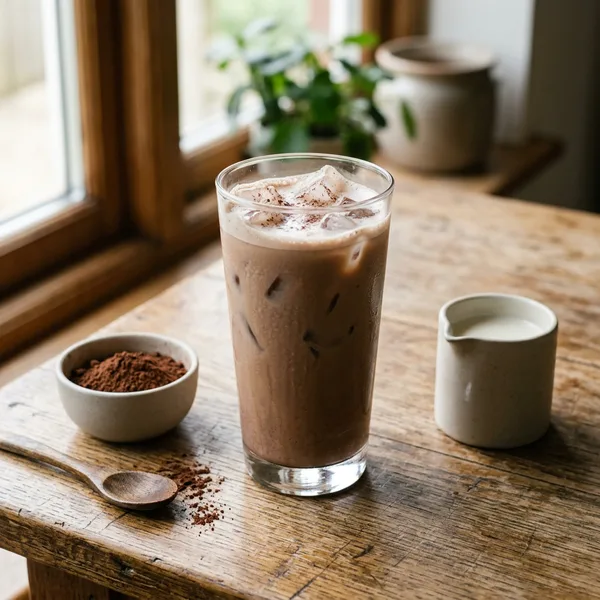
Ingredients
Instructions
- Melt the cocoa into hot coffee. Brew a cup of coffee the way you usually do. While it is still hot, put the cocoa powder in a mug or a heatproof jar, add 2 tablespoons of the coffee and stir into a smooth, glossy paste with no dry lumps. Pour in the rest of the coffee and stir again. Cocoa dissolves in hot liquid; added straight to cold coffee, it floats in clumps.
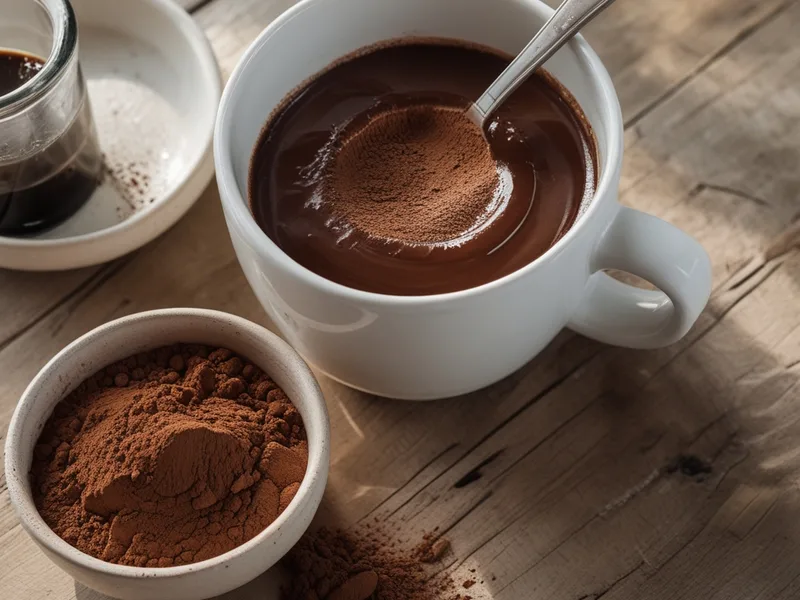
- Chill it. Let the cocoa coffee cool on the counter for 10 minutes, then cover it and refrigerate for at least an hour, or overnight. Cold coffee means the ice melts slowly and the drink stays strong instead of watery.
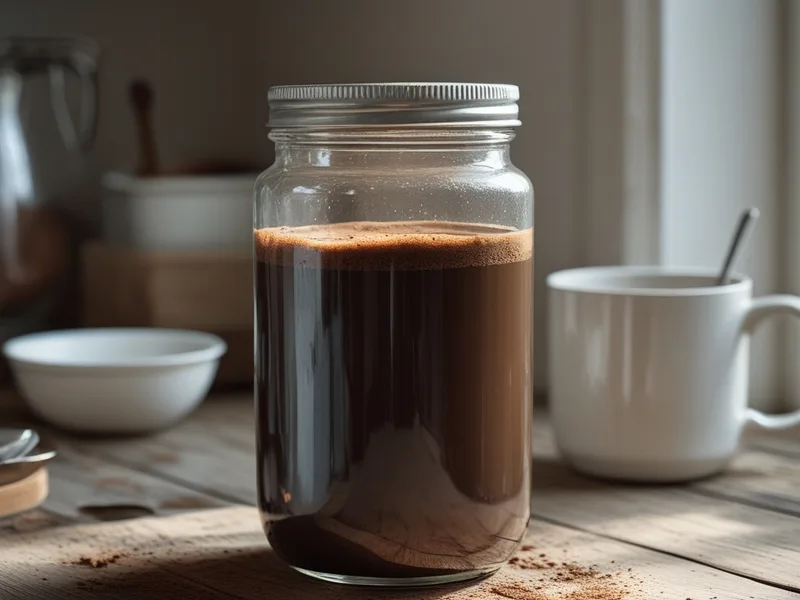
- Shake and pour over ice. Pour the chilled cocoa coffee and the cold soy milk into a jar with a tight lid and shake hard for 15 seconds, until a light foam forms on top. Fill a tall glass with ice, pour it over and drink it plain first. Most of the time it does not need anything else.
Notes
Brew a few cups at once and keep the cocoa coffee in a closed jar in the fridge; shake each glass with the milk just before drinking.
Soy milk is my pick here because it brings protein to the glass. Shake it well: the foam is what makes this taste like a café drink.
Karim shook up a glass on November 6 without changing a thing. It came together fast, tasted delicious and had exactly the texture Karim was after: worth making again.
Nutrition Facts
Per serving (estimated)
- Total Fat
- 4 g
- Sodium
- 73 mg
- Total Carbohydrate
- 6 g
- Protein
- 7 g
General information, not medical or dietary advice. Nutrition values are estimates. See our full disclaimer.
Frequently asked questions
What to add to black coffee for weight loss?
Nothing that brings sugar is the simple rule: a teaspoon of granulated sugar adds about 16 calories, per USDA, and sweet drinks are a leading source of added sugar, according to the CDC. Unsweetened cocoa, a pinch of cinnamon or a splash of unsweetened soy milk add flavor for few calories.
What burns fat the fastest?
No food or drink burns fat fast, coffee included. The CDC says people who lose weight gradually, about 1 to 2 pounds a week, are more likely to keep it off than people who lose it quicker.
How does coffee affect blood sugar?
For most healthy adults caffeine does not noticeably affect blood sugar, according to Mayo Clinic. In people with diabetes it may change how the body uses insulin, sometimes from about 200 mg of caffeine, so ask your care team if your numbers move.
Is coffee good for you?
MedlinePlus cites the American Medical Association: moderate coffee or tea drinking is not likely to be harmful as long as you have other good health habits. About 400 mg of caffeine a day, roughly four 8-ounce cups of brewed coffee, counts as a moderate amount for most people.
What are the side effects of black coffee?
MedlinePlus lists a fast heart rate, difficulty sleeping, nausea and urinating more often among the effects of caffeine. Stopping suddenly can bring withdrawal symptoms, so cut down slowly if you want to drink less.
When should you drink black coffee for weight loss?
No study we read found a best time of day for weight. Earlier is kinder to your sleep: the CDC suggests avoiding caffeine in the afternoon and evening if you feel tired from too little sleep.

Comments
Tried it? Tell us how it went: your comment helps other readers.