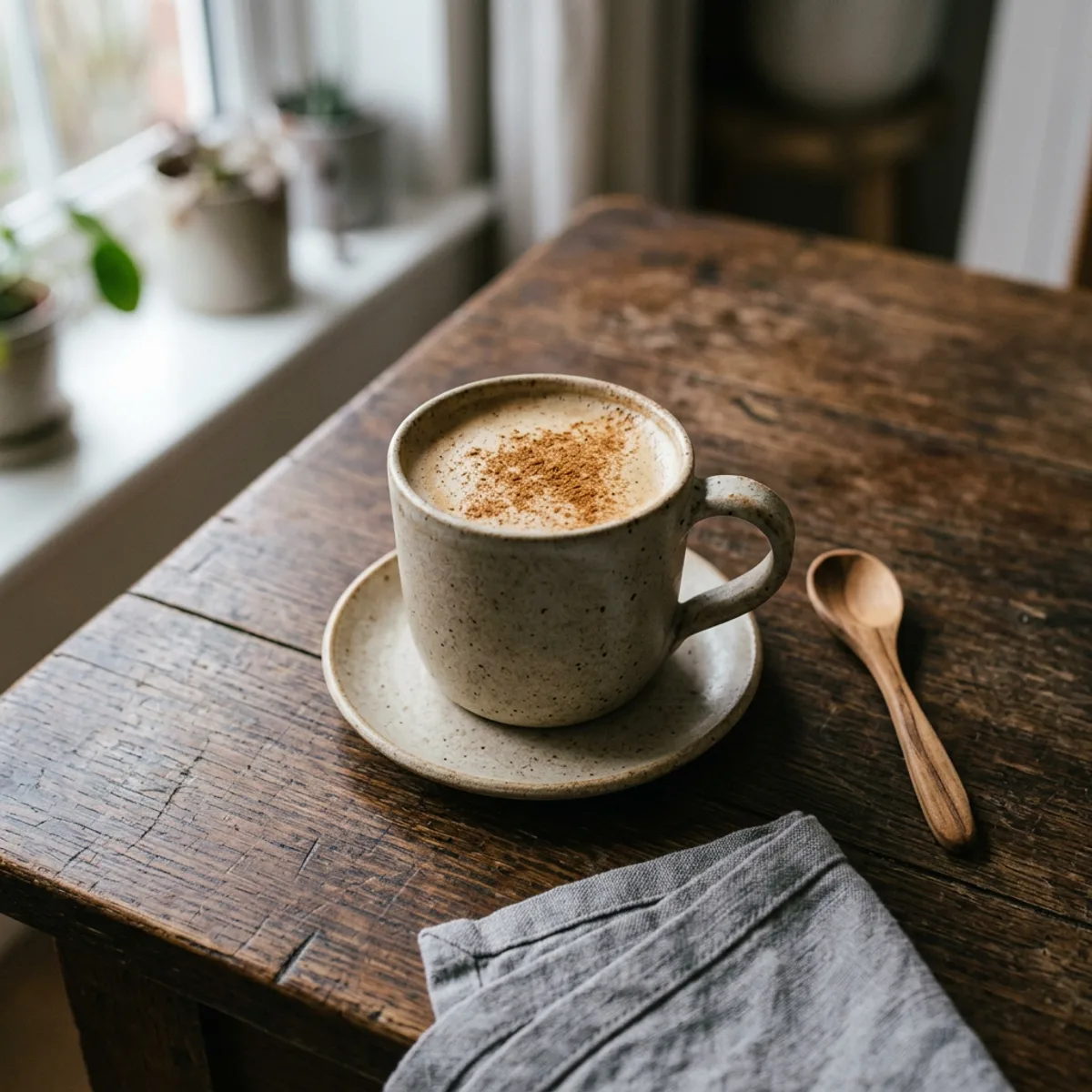
The short version: Best mushroom coffee for gut health? The reviews we read on lion's mane and reishi describe lab and animal studies and speculate about the gut; none we found tested mushroom coffee in people for gut health, so a benefit is not shown. This cinnamon mushroom coffee has about 37 calories a mug.
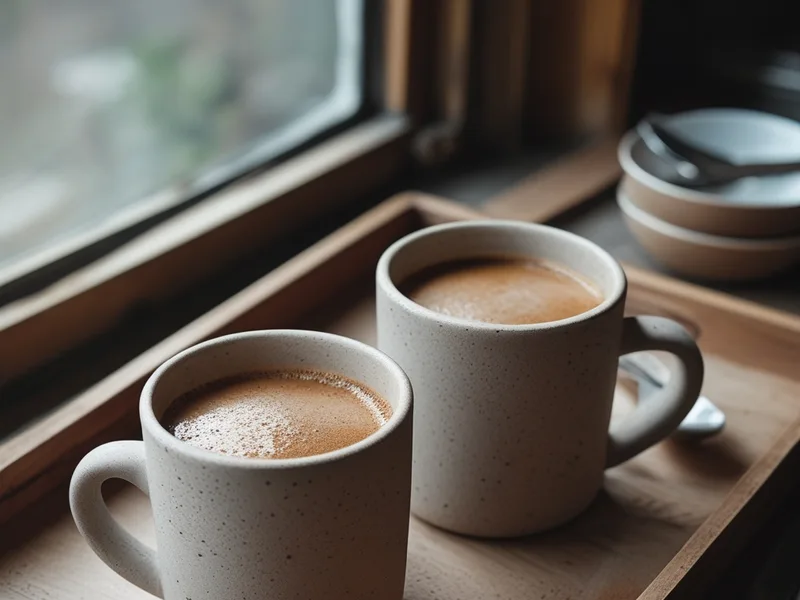
The difference is in one detail: how the powder meets the milk. Stirred into black coffee, mushroom powder floats and clumps. Whisked into warm milk first, it dissolves into something smooth, and the cinnamon rounds off the earthy edge. That is the whole recipe: coffee, almond milk, a spoonful of powder, cinnamon.
Cinnamon mushroom coffee at a glance
| What | Where | What a mug has (USDA, estimate) |
|---|---|---|
| Coffee, almond milk, mushroom powder, cinnamon | The recipe card below | About 37 calories and 1 g of protein |
| Another functional drink | Hibiscus tea | Its own page, with the numbers |
| A calmer cup | Ginger water recipe | Its own page, with the numbers |
Best mushroom coffee for gut health: what the research says
Short answer: it has not been shown for the drink. Here is what we read on PubMed on October 24, 2026, with the limits.
- A 2023 review in the World Journal of Gastroenterology (PMID 37346156) looked at Hericium erinaceus, the lion's mane mushroom, and digestive disorders. It says several studies highlight potential for gastritis and inflammatory bowel disease and discusses the molecular mechanisms. It is a review of the evidence on the fungus, not a trial of coffee, and it does not report that drinking the mushroom treats a digestive disease.
- A 2026 review in the International Journal of Biological Macromolecules (PMID 41365407) covers polysaccharides from Ganoderma lucidum, the reishi mushroom, and the gut-brain axis. It describes effects on gut bacteria and inflammation in the context of aging and cognition, and "proposes the possibility" of a benefit, in the authors' own words.
So the honest summary is cautious. Research on mushroom compounds and the gut exists, mostly on isolated extracts, in lab and animal settings, and reviews that speculate on mechanisms. We found no trial of mushroom coffee in people. A benefit for your gut from this cup is not shown, and nothing here treats a digestive condition. Food and drinks support a healthy way of eating; they do not replace medical care.
Mushroom coffee versus plain coffee
The coffee in the cup is still coffee: it brings its own flavor and, if it is not decaffeinated, its caffeine (our matcha vs coffee caffeine article lists typical amounts for a cup of brewed coffee). The powder adds an earthy note and a little body. No study we read compares a cup of mushroom coffee with a cup of plain coffee on gut comfort, sleep or any other outcome, so we cannot say one is better. If you like the taste, it is a pleasant variation; if you do not, plain coffee loses nothing.
What to check on a mushroom powder label
Read the label before you buy. Look for a short ingredient list that names the mushroom, a serving size you can measure with a spoon, and any added ingredients such as sweeteners or flavors. Check allergens, and keep the powder in a closed container away from heat and moisture. A label cannot promise a gut benefit; if a package makes a strong health claim, ask what it rests on, and look for the studies rather than the slogan.
Why the powder goes into the milk first
Mushroom powders are fine and tend to float and clump when they hit plain hot coffee. Whisking the powder into warm milk first breaks it into a smooth base before it meets the coffee. Keep the milk warm, not boiling, so the cup stays smooth.
What goes in
- Brewed coffee, 2 cups. A medium roast is a calm base; strong enough to taste, not so dark that it fights the powder.
- Unsweetened almond milk, 1/2 cup. Light, so the coffee stays the main flavor.
- Mushroom powder, 1 teaspoon. Buy a food-grade powder that lists a single mushroom and nothing else, and use it as the label directs.
- Ground cinnamon and, if you like, honey for a little warmth.
Calories and protein
The numbers come from USDA FoodData Central values, ingredient by ingredient. One mug, half of the recipe, has about 37 calories, 1 g of protein, 7 g of carbohydrate and 1 g of fat, with about 41 mg of sodium. It is an estimate: the mushroom powder is not in the USDA data and its few calories are not counted, and brewed coffee and almond milk vary by brand.
Tips and common mistakes
- Whisk, do not stir. A small whisk breaks the powder into the milk; a spoon leaves clumps.
- Do not boil the milk. Low heat keeps it smooth.
- Use less powder than you think. The taste is earthy and strong.
- Taste before sweetening. Cinnamon carries more sweetness than you expect.
- Brew fresh. Coffee that sat on the burner turns flat and sour.
In Alin's kitchen
Alin found this quick and easy, and the cup tasted delicious with just the texture hoped for. One ingredient may have gone in a little over or under, so take it as a close run of the recipe, and Alin would make it again.
Variations
- Iced. Chill the milk mixture, pour over ice and top with cold coffee.
- No dairy and no nuts. Use oat milk if you avoid almonds, and check the label.
- Without honey. Leave it out; the cinnamon is enough.
Storage
Drink it fresh. If you must keep it, cool it, cover it and refrigerate it for a day, and reheat gently without boiling.
Safety: supplements, medicines and your doctor
Mushroom powders are sold as food supplements, and we found no official dose we could read and link, so follow the label and keep the amount small. Ask your doctor or pharmacist before you drink it if you take medicines, are pregnant or breastfeeding, have a mushroom allergy or live with a health condition. Coffee has its own limits: if caffeine bothers you, choose a decaffeinated coffee. Never use wild mushrooms for this recipe.
What we read
- Nutrition: values come from USDA FoodData Central for each ingredient (for example brewed coffee); the mushroom powder is not counted, so the total stays an estimate.
- Studies: a targeted PubMed search on October 24, 2026 for mushrooms with gut and digestive outcomes; the two reviews above were read in their abstracts.
Best Mushroom Coffee for Gut Health? A Cinnamon Mushroom Coffee to Make at Home
A smooth cinnamon mushroom coffee made with brewed coffee, almond milk and a spoonful of mushroom powder, plus the reviews on mushrooms and gut health.
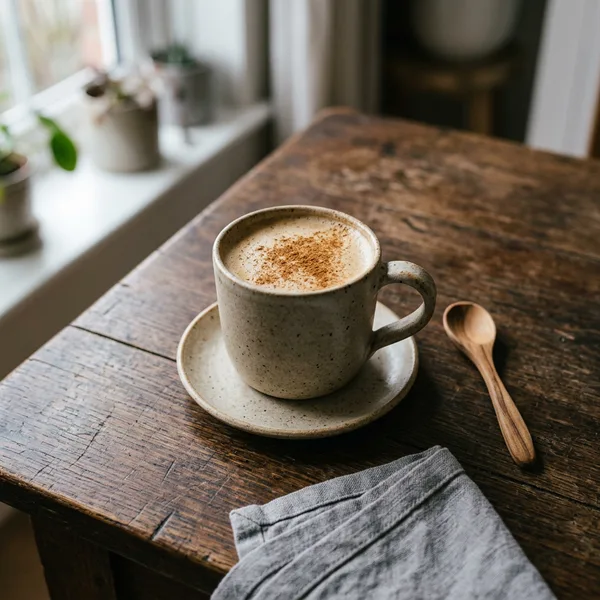
Ingredients
Instructions
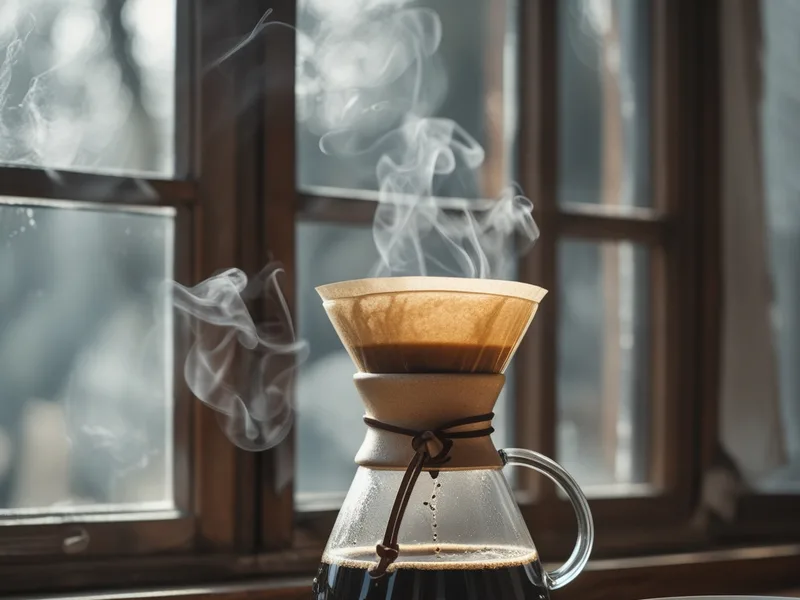
- Brew the coffee. Brew 2 cups of coffee the way you like it and keep it hot. A medium roast works well, because the mushroom powder adds an earthy note and a dark, bitter roast would pile on top of it.
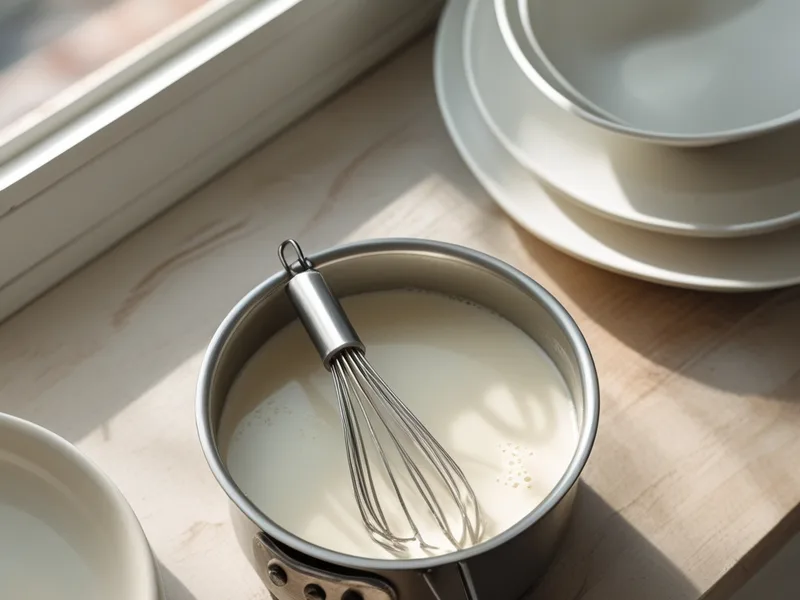
- Warm and whisk the milk. Warm the almond milk in a small saucepan over low heat until it steams, without boiling. Whisk in the mushroom powder and the cinnamon until no clumps remain, which takes about a minute.
- Combine and serve. Pour the coffee into two mugs, add the warm milk mixture and stir in the honey if you use it. Dust with a little more cinnamon and serve hot.
Notes
Whisk the powder into warm milk first. Stirred straight into black coffee, it floats and clumps.
Start with the smallest amount on the label and keep it there; more powder does not make a better cup.
Make it fresh. Leftover mushroom coffee does not reheat as well as it tastes the first time.
Nutrition Facts
Per serving (estimated)
- Total Fat
- 1 g
- Sodium
- 41 mg
- Total Carbohydrate
- 7 g
- Protein
- 1 g
General information, not medical or dietary advice. Nutrition values are estimates. See our full disclaimer.
Frequently asked questions
What is the point of drinking mushroom coffee?
People drink it for its earthy taste and because mushrooms have a wellness reputation. The reviews we read describe mostly lab and animal findings, so no benefit from the cup itself is shown.
What does the Mayo Clinic say about mushroom coffee?
We did not read a Mayo Clinic page on mushroom coffee, so we do not quote one. For a supplement, ask your doctor or pharmacist, especially if you take medicines or are pregnant.
Does mushroom coffee show up on a drug test?
Nothing we read answers this for mushroom coffee, so we cannot say. If a test matters for your job, ask the lab or your employer's testing provider before you drink it.
How to make RYZE coffee?
That is a branded product with its own directions on the package, which we do not cover or rate. Follow the label for that product. The recipe on this page is a homemade version made from a plain mushroom powder.
How to make mushroom coffee at home?
Whisk a food-grade mushroom powder into warm milk, pour it over hot coffee, and add cinnamon. The recipe card gives the steps and the amounts for two mugs.
Comments
Tried it? Tell us how it went: your comment helps other readers.