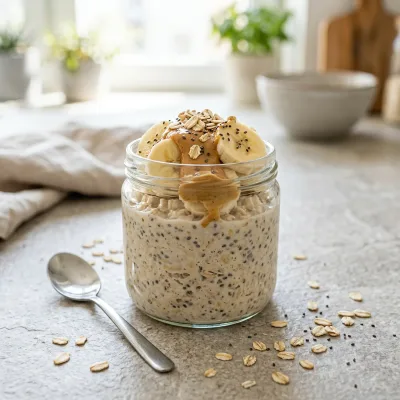
Quick answer: Stir 1/2 cup of rolled oats, 1/2 cup of milk, 1/3 cup of Greek yogurt and 1 tablespoon of chia seeds in a jar and chill overnight. It has about 340 calories and 20 g of protein by USDA data, with no protein powder. Add more yogurt and peanut butter to reach about 30 g.
Overnight oats are the easiest breakfast to make ahead: you stir a jar at night, and in the morning it is ready to eat. This high protein overnight oats recipe gets its protein from Greek yogurt, milk, oats and chia, so it works without protein powder.
Protein boosters at a glance
| Add to the base jar | Calories added | Protein added | Note |
|---|---|---|---|
| Nothing (the base jar) | About 340 in total | About 20 g in total | Oats, milk, yogurt, chia, maple syrup |
| Another 1/3 cup of nonfat Greek yogurt | About 50 | About 8 g | The most protein for the calories |
| 1 tablespoon of smooth peanut butter | About 96 | About 4 g | Adds calories and fat as well |
| 1 extra tablespoon of chia seeds | About 58 | About 2 g | Adds fiber too |
| Protein powder | Varies | Varies by brand | We did not use any: follow the label |
Values are from USDA FoodData Central for the amounts shown. The chia tablespoon (12 g) is a common weight, not a USDA one, and brands differ.
High protein overnight oats without protein powder
Protein powder is not needed. Greek yogurt is the main source in this recipe: USDA data lists plain nonfat Greek yogurt at about 8.4 g of protein in 1/3 cup. Add the milk, the oats and the chia, and the jar reaches about 20 g. If you do want powder, the amount of protein per scoop depends on the brand, so use the label.
How to get 30 g of protein in overnight oats
Add a second 1/3 cup of nonfat Greek yogurt and a tablespoon of smooth peanut butter. That brings the jar to roughly 32 g of protein and about 490 calories. If you want to go further, two extra servings of yogurt and the peanut butter reach about 40 g, but that is about as far as food alone goes in one jar. A competitor recipe that advertises 47 g uses protein powder. We would not aim for a very high-protein breakfast without asking a doctor or dietitian.
High protein overnight oats meal prep and storage
You can make several jars at once. Keep them covered in the fridge and add fruit and toppings when you eat so they stay fresh. The four recipe sites we read (Bake & Bacon, Nourished by Nic, Happy Honey Kitchen and Autumn Elle Nutrition) all say overnight oats keep up to 5 days. We could not find an official shelf life, so we suggest eating them within 3 days, as a cautious rule of thumb that we have not tested.
Fridge food should be kept at 40°F (4°C) or below (USDA cold food storage chart). The oats keep thickening as they sit: add a splash of milk before eating if they are dry.
Do oats help with weight, cholesterol or blood sugar?
Oats get a lot of health claims. Here is what the studies we read say, and what they do not:
- Cholesterol. A 1999 meta-analysis (PMID 9925120) found that 3 g of soluble fiber from oats, about three servings of oatmeal, lowered total and LDL cholesterol by approximately 0.13 mmol/L, and the authors call the effect small within the practical range of intake.
- Blood sugar. A 2020 randomized trial (PMID 31828287) found that thicker oat beta-glucan in a breakfast slowed stomach emptying and lowered the blood sugar and insulin response after the meal.
- Appetite. The same 2020 trial found no significant effect of the beta-glucan on appetite or food intake. A 2008 randomized trial (PMID 18978166) found that muesli with 4 g of oat beta-glucan did not change satiety but lowered the blood sugar response.
All of these used measured amounts of oat fiber, not a jar of overnight oats, and none tested weight loss. So we cannot say overnight oats lower cholesterol or help you lose weight. A half cup of oats has about 4 g of fiber according to USDA, which is a filling start to the day, not a treatment.
Variations and substitutions
- Dairy-free: use a plain, unsweetened soy yogurt and soy milk, and check the protein on the label, because it differs from Greek yogurt and milk.
- Nut-free: skip the peanut butter and add an extra tablespoon of chia seeds or more yogurt.
- Fruit: top with banana, berries or peach slices, or stir mashed fruit into the jar.
- Sweetener: maple syrup or honey, or none. Taste before you add more, because fruit and some yogurts already bring sugar.
- Warm: heat the finished jar in the microwave for a minute for a hot breakfast.
For a parfait style version, try our Greek yogurt parfait recipe.
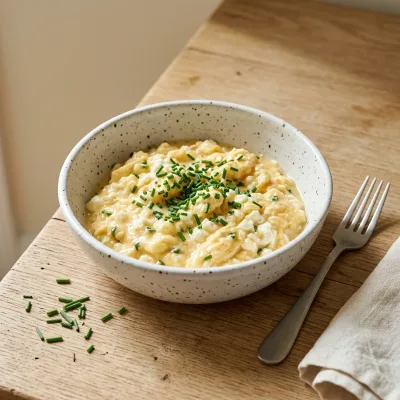
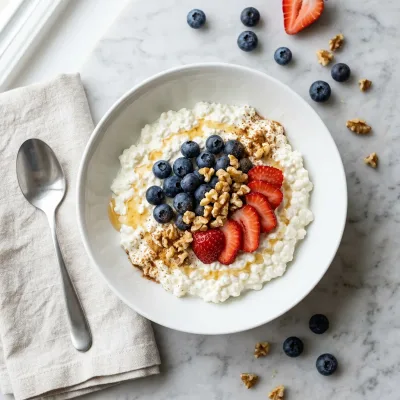
For more egg-free ideas, see our high protein breakfast without eggs guide, or try the cottage cheese bowl.
Serving ideas
- Classic: sliced banana and a spoonful of peanut butter.
- Berry: a handful of berries and a drizzle of maple syrup.
- Crunch: add chopped nuts or a little granola just before eating, so they stay crisp.
- To go: keep the jar sealed and add toppings from a small container at work.
Tips and mistakes
- Stir well. Dry pockets of oats stay hard, so stir until no dry spots remain.
- Check the thickness in the morning. Add a splash of milk if it is too thick.
- Add toppings at serving. Fruit and crunchy toppings stay fresh and crisp.
- Use rolled oats. This recipe is tested with rolled oats, not instant or steel-cut.
- Measure the chia. It is easy to pour too much, and it adds calories.
Frequently asked questions
Can I use instant or steel-cut oats? This recipe was written with rolled oats. We did not test instant or steel-cut oats, which soak differently, so we cannot promise the same texture.
Do I have to eat overnight oats cold? No. Cold is the classic way, but you can warm the finished jar in the microwave for a minute.
Do I need the chia seeds? They add thickness, a little protein and fiber, but you can leave them out. The jar will be looser, and the protein a little lower.
Can I make it with a plant milk? Yes. Protein differs by milk, so check the label if protein matters to you.
Safety and good to know
Check the labels for allergens: oats may be processed with other grains, and the yogurt, milk and nut butter are common allergens. This is a breakfast idea, not dietary advice. If you follow a special eating plan or have a health condition, check with your doctor or a registered dietitian.
How we researched this
- Recipes: we read four high protein overnight oats pages on October 18, 2026 (Bake & Bacon, Nourished by Nic, Happy Honey Kitchen and Autumn Elle Nutrition) and write our own recipe and steps.
- Studies: a PubMed search on October 18, 2026 for trials and reviews on oats and oat beta-glucan with LDL cholesterol, satiety and blood sugar. We read the abstracts and cite only what they say.
- Nutrition: values come from USDA FoodData Central for oats, milk, Greek yogurt, chia seeds, maple syrup and peanut butter. The estimates change with your brands.
- Food safety: we read the USDA chart linked above. The USDA leftovers page could not be read, so we give no official number of days.
- Not tested by us: we did not measure the nutrition of any jar in a lab.
High-Protein Overnight Oats Recipe With Greek Yogurt and Chia
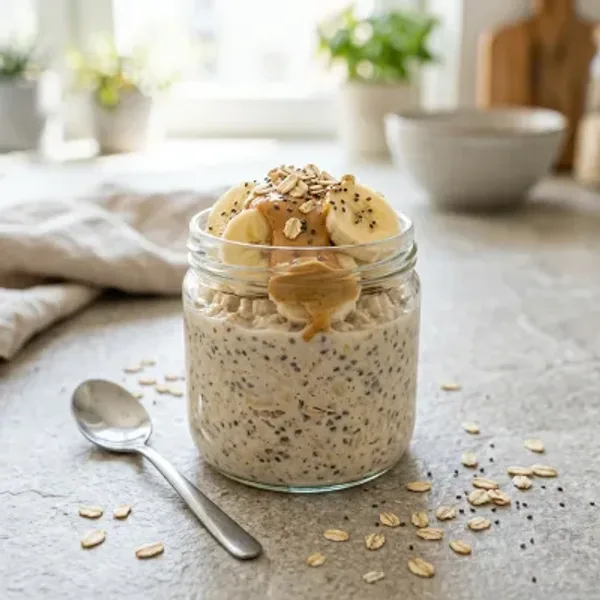
Creamy overnight oats with rolled oats, milk, Greek yogurt and chia seeds, with no protein powder. Mix a jar tonight, eat it cold in the morning, and see how to reach 30 g of protein.
Ingredients
Instructions
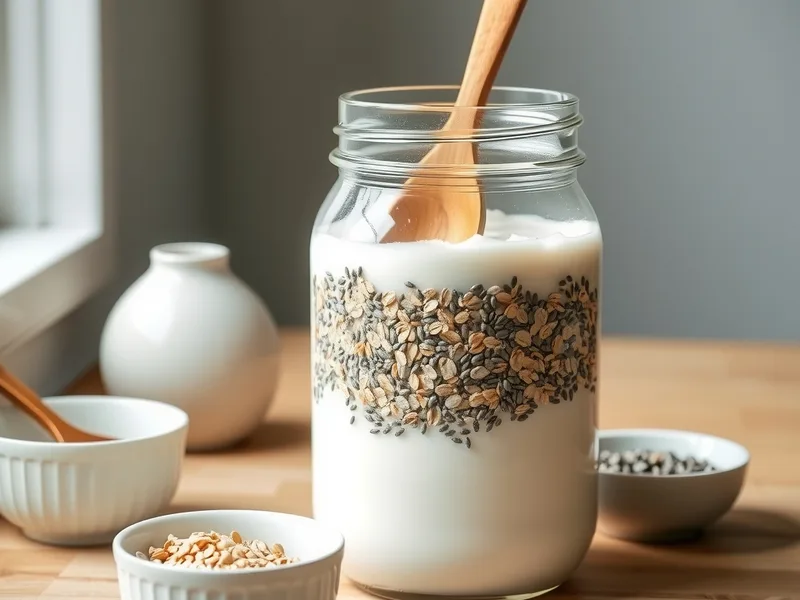
- Mix. Add the oats, milk, yogurt, chia seeds, maple syrup and vanilla to a jar and stir until everything is combined and no dry pockets remain.
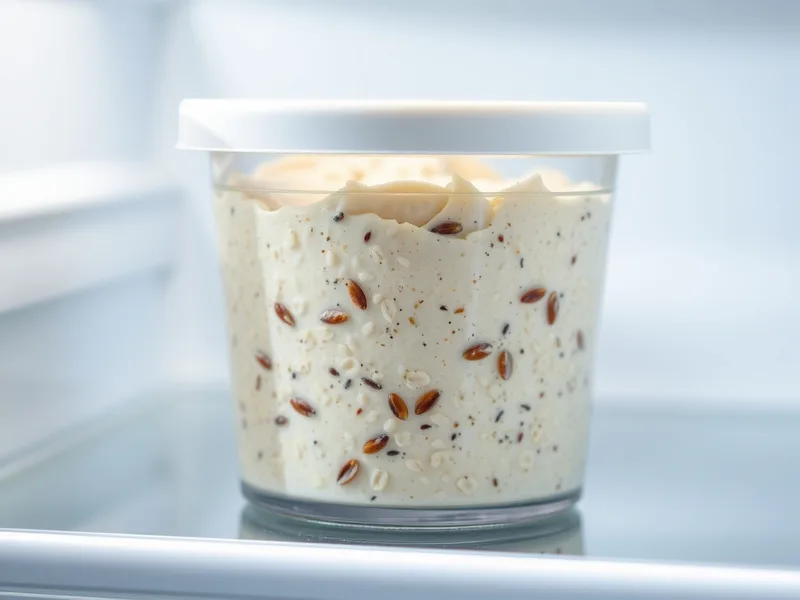
- Chill. Cover and refrigerate for at least eight hours, or overnight.
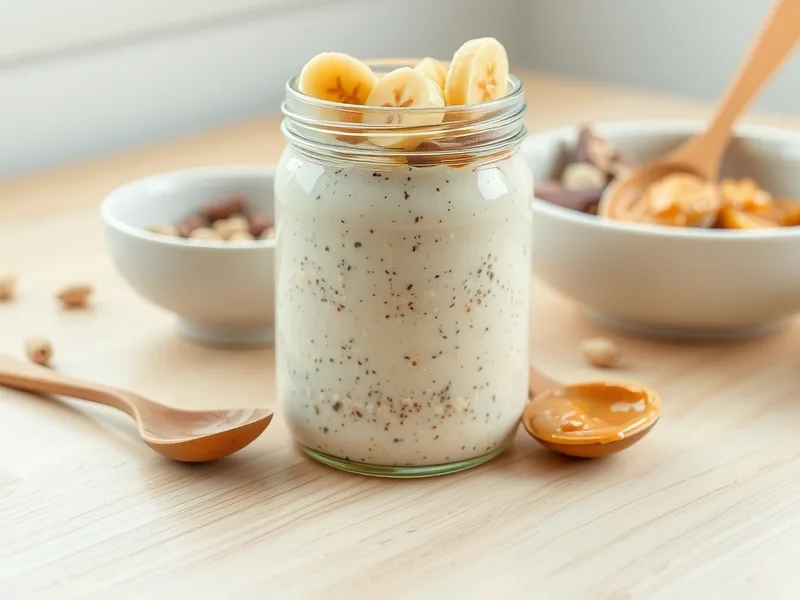
- Top and eat. Stir the oats in the morning. Add a splash of milk if they are too thick, then add your toppings, such as sliced banana and a spoonful of peanut butter.
Notes
Eat them cold, or warm them in the microwave for a minute if you prefer a hot breakfast.
The nutrition numbers are for the jar without toppings. Banana and peanut butter add calories and protein: see the table.
Nutrition Facts
Per serving (estimated)
- Total Fat
- 9 g
- Sodium
- 92 mg
- Total Carbohydrate
- 46 g
- Protein
- 20 g
Frequently asked questions
Can overnight oats be high in protein?
Yes. Without protein powder, this jar has about 20 g of protein, mostly from the Greek yogurt, the milk and the oats. Add more yogurt or a spoonful of peanut butter to raise it.
How to get 30g protein in oats?
Add a second 1/3 cup of nonfat Greek yogurt (about 8 g more) and a tablespoon of smooth peanut butter (about 4 g more) to the base jar, which brings it to roughly 32 g. Those are USDA-based estimates, and brands differ.
What can you add to overnight oats to increase protein?
More Greek yogurt, a spoonful of peanut butter and an extra tablespoon of chia seeds all help. A tablespoon of chia adds about 2 g, and they also add calories, so measure them. Protein powder is another option, but the protein per scoop varies by brand, so follow the label.
How can I get 50g of protein for breakfast?
One jar of overnight oats will not usually get there without protein powder. With two extra servings of yogurt and a spoonful of peanut butter, this recipe reaches about 40 g. A competitor recipe that claims 47 g uses protein powder. Check with your doctor or dietitian before aiming for very high protein.
How long do overnight oats last in the fridge?
The four recipe sites we read say up to 5 days. We found no official shelf life, so as a cautious rule of thumb we suggest eating them within 3 days, with the toppings added at serving. That is our rule, not a tested time.
Do overnight oats help you lose weight?
We found no study of overnight oats and weight loss. Two small trials found that oat beta-glucan did not change appetite or satiety, although it lowered blood sugar after the meal. Oats are a filling, fiber-rich breakfast, but not a weight-loss tool.

I’m Emma Bloom, founder and editorial voice behind Eat & Bloom. I share approachable recipes, practical nutrition tips and simple food ideas for everyday life, and I believe eating well should not be complicated or restrictive. Eat well. Find what works for you. Bloom.

Comments
Tried it? Tell us how it went: your comment helps other readers.