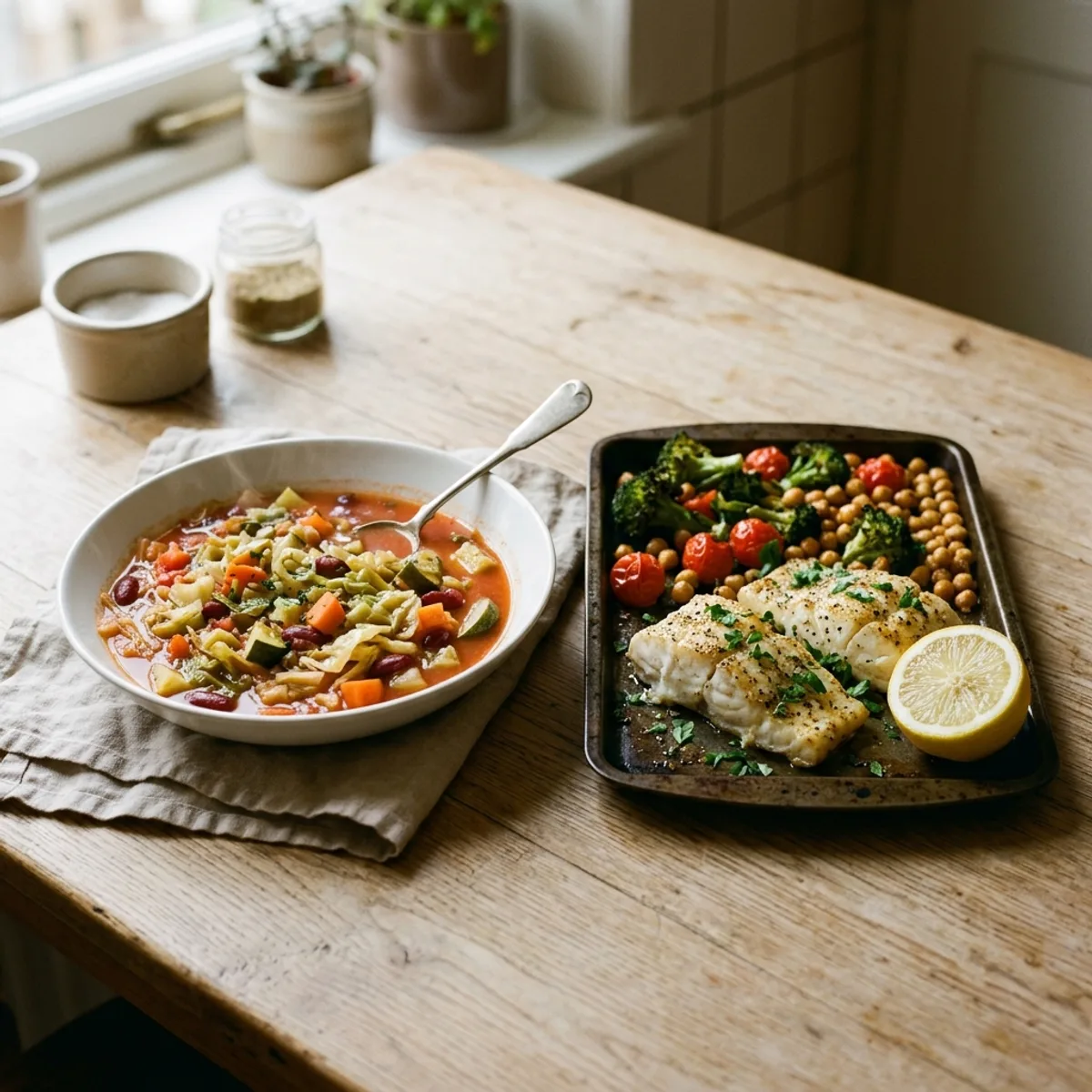
These low calorie meals for weight loss come in between 254 and 343 calories a serving and still fill a real plate, because vegetables, broth and lean protein do most of the work instead of tiny portions. No meal makes you lose weight by itself; a filling one makes the day easier. Three to cook this week:
| Meal | Built on | Per serving |
|---|---|---|
| Cabbage, tomato and kidney bean soup | Green cabbage, zucchini, crushed tomatoes, kidney beans | 254 calories, 16 g protein |
| Sheet-pan cod with broccoli, tomatoes and chickpeas | Cod fillets, broccoli, cherry tomatoes, chickpeas | 343 calories, 38 g protein |
| Turkey burger bowl | 93 % lean ground turkey, romaine, pickles, avocado | 302 calories, 25 g protein |
If it does not taste good, you will not make it twice, and a low calorie meal you do not want to eat is just a long way to get hungry. So start with better basics: a firm, heavy cabbage, cod that smells of the sea and nothing else, real dill pickles with a sharp bite. Then let the vegetables take up the room on the plate, give every meal a proper serving of protein, and use olive oil by the spoon rather than by the glug. That is the whole method. The rest is cooking.
What trials on energy density and soup actually found
Researchers call it energy density: the calories in each gram of food. Vegetables, broth and beans hold a lot of water, so a plate of them weighs more for fewer calories. Four papers we read on PubMed, and what each one can and cannot say:
- People eat about the same weight of food. In a 1998 study, 18 women ate main dishes that looked and tasted alike but had low, medium or high energy density (PMID 9497184). They ate roughly the same amount by weight each time, so they took in about 1,376 calories a day on the low version against about 1,800 on the high one, and they felt no hungrier. A small group, two days per test, in a lab.
- A bowl of soup first. Sixty adults came in for lunch once a week for five weeks (PMID 17574705). When they started with a low energy dense vegetable soup, they ate about 20 % fewer calories at the meal overall, soup included, than with no soup. Chunky or pureed made no difference. That is one meal at a time, not weight loss.
- Soup over a year. In a one-year trial, 200 adults with overweight or obesity followed a calorie-restricted diet (PMID 15976148). Those who added two servings of low energy dense soup a day lost 7.2 kg, against 4.8 kg for those given the same calories as high energy dense snack foods. The group with no special food lost 8.1 kg, though, so the soup did not beat simply following the diet; what the trial shows is that the type of food that fills the calories matters.
- People who kept the weight off. A 2011 analysis compared adults who had lost at least 10 % of their weight and kept it off for five years or more with other adults (PMID 21385641). The maintainers reported diets lower in energy density, with more vegetables and whole grains. The authors call it preliminary: it is based on dietary recalls and does not prove cause.
So the evidence points to a kitchen habit, not a trick: build meals that are heavy on vegetables and broth, with enough protein, and the same calories go further. That is what the three recipes below are built to do.
High volume low-calorie meals for weight loss: a big bowl of cabbage and kidney bean soup
This is the one to make on Sunday. Cabbage is cheap, it keeps for weeks, and when it cooks down in tomato and broth it turns sweet and soft without falling apart. What to look for at the store: a head that feels heavy for its size, with tight, shiny leaves. Kidney beans make it a meal rather than a starter.
Serves 6 large bowls. Prep 20 minutes. Cook 35 to 40 minutes.
Ingredients
- 1 tablespoon olive oil
- 1 medium onion, chopped
- 150 g (2 medium) carrots, diced
- 100 g (2 stalks) celery, diced
- 3 garlic cloves, minced
- 500 g green cabbage, cut into bite-size pieces
- 300 g (2 small) zucchini, diced
- 794 g (one 28-oz can) crushed tomatoes
- 1.4 L (6 cups) low-sodium chicken broth
- 480 g (two 15-oz cans, drained and rinsed) canned kidney beans
- 1 teaspoon dried oregano
- 1 teaspoon paprika
- 1/4 teaspoon salt
- 1/4 teaspoon black pepper
- 2 tablespoons lemon juice
Steps
- Soften the base. Warm the olive oil in a large pot over medium heat. Add the onion, carrots and celery and cook for 6 to 8 minutes, stirring now and then, until the onion is soft and golden at the edges. Add the garlic, oregano and paprika for the last minute.
- Add the cabbage. Stir in the cabbage and cook for 3 to 4 minutes, until it starts to wilt and shrink.
- Simmer. Pour in the crushed tomatoes and broth, add the salt and pepper, and bring to a boil. Lower the heat, cover partly and simmer for 15 minutes.
- Finish with the beans and zucchini. Add the kidney beans and zucchini and simmer for 10 to 12 minutes more, until the cabbage is tender and the zucchini is soft but still holds its shape.
- Taste. Stir in the lemon juice off the heat. It tastes like it should when the tomato is rounded rather than sharp and the lemon wakes it up at the end. Add salt only now, if it needs it.
Per serving (1 large bowl): about 254 calories, 16 g protein, 42 g carbohydrate, 5 g fat, 651 mg sodium.
To bring the sodium down, look for crushed tomatoes and beans labeled no salt added, as the CDC suggests for canned vegetables. Chill what you do not eat soon after cooking, and reheat each bowl until it is steaming hot, 165°F (73.9°C), the USDA FSIS target for leftovers. A pot on Sunday fits neatly into a week of meal prep ideas for weight loss. When you want a second pot with chicken in it, our white chicken chili recipe is built the same way, on beans and broth.
High protein low calorie meals for weight loss: sheet-pan cod with broccoli and chickpeas
The meal with the most protein on the page, and one pan to wash. Cod is lean and mild, so it needs a hot oven, garlic and a good squeeze of lemon, nothing heavy. What to buy: thick, white fillets that smell clean and look moist, fresh or frozen. Frozen fillets are often the better buy away from the coast; thaw them overnight in the fridge and pat them dry.
Serves 4. Prep 15 minutes. Roast about 25 minutes.
Ingredients
- 680 g (1 1/2 lb) cod fillets, cut into 4 pieces
- 400 g (about 4 cups) broccoli florets
- 300 g (2 cups) cherry tomatoes
- 240 g (one 15-oz can, drained and rinsed) canned chickpeas
- 2 tablespoons olive oil
- 3 garlic cloves, minced
- 1 teaspoon paprika
- 1/2 teaspoon salt
- 1/4 teaspoon black pepper
- 1 teaspoon lemon zest
- 2 tablespoons lemon juice
- 1 tablespoon chopped fresh parsley
Steps
- Heat the oven to 425°F (220°C). Pat the chickpeas dry with a towel so they roast instead of steam.
- Roast the vegetables first. On a large sheet pan, toss the broccoli, tomatoes and chickpeas with 1 1/2 tablespoons of the olive oil, half the garlic, half the salt and the pepper. Spread them out and roast for 12 minutes, until the broccoli starts to brown at the tips.
- Add the cod. Push the vegetables to the sides. Lay the cod in the middle, brush it with the rest of the oil, and season it with the paprika, the rest of the garlic and salt, and the lemon zest.
- Roast until it flakes. Return the pan to the oven for 10 to 14 minutes, depending on the thickness, until the fish is opaque and flakes with a fork. USDA FSIS puts the safe minimum for fish at 145°F (62.8°C) in the thickest part.
- Finish with the lemon juice over everything and the parsley on top. The tomatoes will have burst into a little sauce; spoon it over the fish.
Per serving: about 343 calories, 38 g protein, 26 g carbohydrate, 10 g fat, 569 mg sodium.
Swap the fish: salmon works in the same pan with the same timing, with more calories from its fat. For more meals built on protein with fewer carbohydrates, see our high protein low carb meals.
Low calorie fast food meals for weight loss, made at home: a turkey burger bowl
Sometimes what you want is a burger. This bowl keeps what makes one taste right, browned seasoned meat, crunchy lettuce, sharp pickles, mustard, a little onion, and leaves out the bun and the sauce. It is on the table in about 20 minutes.
Serves 4. Prep 10 minutes. Cook about 10 minutes.
Ingredients
- 454 g (1 lb) lean ground turkey, 93 % lean
- 1 teaspoon olive oil
- 1 teaspoon paprika
- 2 garlic cloves, minced
- 1/4 teaspoon salt
- 1/4 teaspoon black pepper
- 300 g romaine lettuce leaves, chopped
- 300 g (2 cups) cherry tomatoes, halved
- 200 g cucumber, sliced
- 60 g red onion, finely chopped
- 100 g dill pickles, chopped
- 150 g avocado, sliced (about 1 avocado without skin and pit)
- 2 tablespoons yellow mustard
- 1 tablespoon apple cider vinegar
Steps
- Brown the turkey. Heat the olive oil in a large skillet over medium-high heat. Add the turkey, press it flat into the pan and leave it alone for 3 to 4 minutes so the bottom browns, then break it up and add the paprika, garlic, salt and pepper.
- Cook it through. Keep cooking and stirring for 4 to 5 minutes more, until no pink remains and a thermometer reads 165°F (73.9°C), the USDA FSIS minimum for ground poultry.
- Make the dressing. Whisk the mustard and vinegar with a spoonful of the pickle brine from the jar.
- Build the bowls. Divide the lettuce, tomatoes, cucumber, onion and pickles between four bowls, top with the warm turkey and the avocado, and drizzle the dressing over.
Per serving: about 302 calories, 25 g protein, 15 g carbohydrate, 18 g fat, 528 mg sodium. Most of the fat is from the avocado and the turkey; most of the sodium comes from the pickles, so taste before you add any salt.
What to buy: pickles with a real crunch, from the refrigerated case if your store has them, and ground turkey labeled 93 % lean. Leaner turkey cooks drier; fattier turkey adds calories without much more flavor.
How to build your own low calorie meals
- Fill half the bowl with vegetables. Cabbage, zucchini, broccoli, lettuce and tomatoes are what make these plates look generous. The CDC suggests frozen or canned vegetables for speed, choosing those without added salt.
- Give every meal a real serving of protein. The CDC lists seafood, poultry, eggs, beans and peas, soy products, nuts and seeds among the healthful protein options. Here that is kidney beans, cod and turkey.
- Measure the fat. One or two tablespoons of olive oil for a whole pan, half an avocado for two people. Fat is where the calories climb fastest.
- Bake or grill instead of frying. The CDC suggests baking or grilling the fish or chicken a recipe would fry, and trying beans in place of meat, which is what the soup does.
- Keep the whole day in view. A healthy eating plan, in the CDC's words, stays within your daily calorie needs; the calories of one meal only matter next to the others. For the morning, our protein smoothies for weight loss each stay under 350 calories.
None of this asks for long hours at the stove: Bogdan cooked from this page without changing a thing and found it easy and quick to pull together. The result tasted delicious, with exactly the texture Bogdan had in mind, and it is going back on the menu.
Safety and allergens
- Allergens. The sheet-pan dinner contains fish (cod), and the burger bowl contains mustard. All three recipes are free of milk, eggs, wheat, peanuts, tree nuts and soy, but check the labels of the broth and pickles.
- Cooking temperatures. USDA FSIS: fish to 145°F (62.8°C), ground poultry to 165°F (73.9°C), leftovers reheated to 165°F (73.9°C). Use a food thermometer rather than the clock.
- Pace. The CDC says people who lose weight at a gradual, steady pace, about 1 to 2 pounds a week, are more likely to keep it off. If you have a health condition or take medication, ask your doctor or a registered dietitian what calorie level is right for you.
Sources we read
- Nutrition: each recipe was calculated ingredient by ingredient from USDA FoodData Central, including cod, green cabbage, canned kidney beans, crushed tomatoes, 93 % lean ground turkey, broccoli, canned chickpeas, avocado and dill pickles. The weight of a medium onion and of a teaspoon of dried oregano comes from USDA portion data, and black pepper, lemon zest and parsley are too small to count, so every total is an estimate.
- Studies: a PubMed search on November 4, 2026 for trials, reviews and meta-analyses on energy density, soup, vegetables and weight loss or energy intake; the abstracts of the four papers above were read in full.
- Official sources: CDC, Steps for Losing Weight; CDC, Tips for Healthy Eating for a Healthy Weight; USDA FSIS, Safe Minimum Internal Temperature Chart; all read on November 4, 2026.
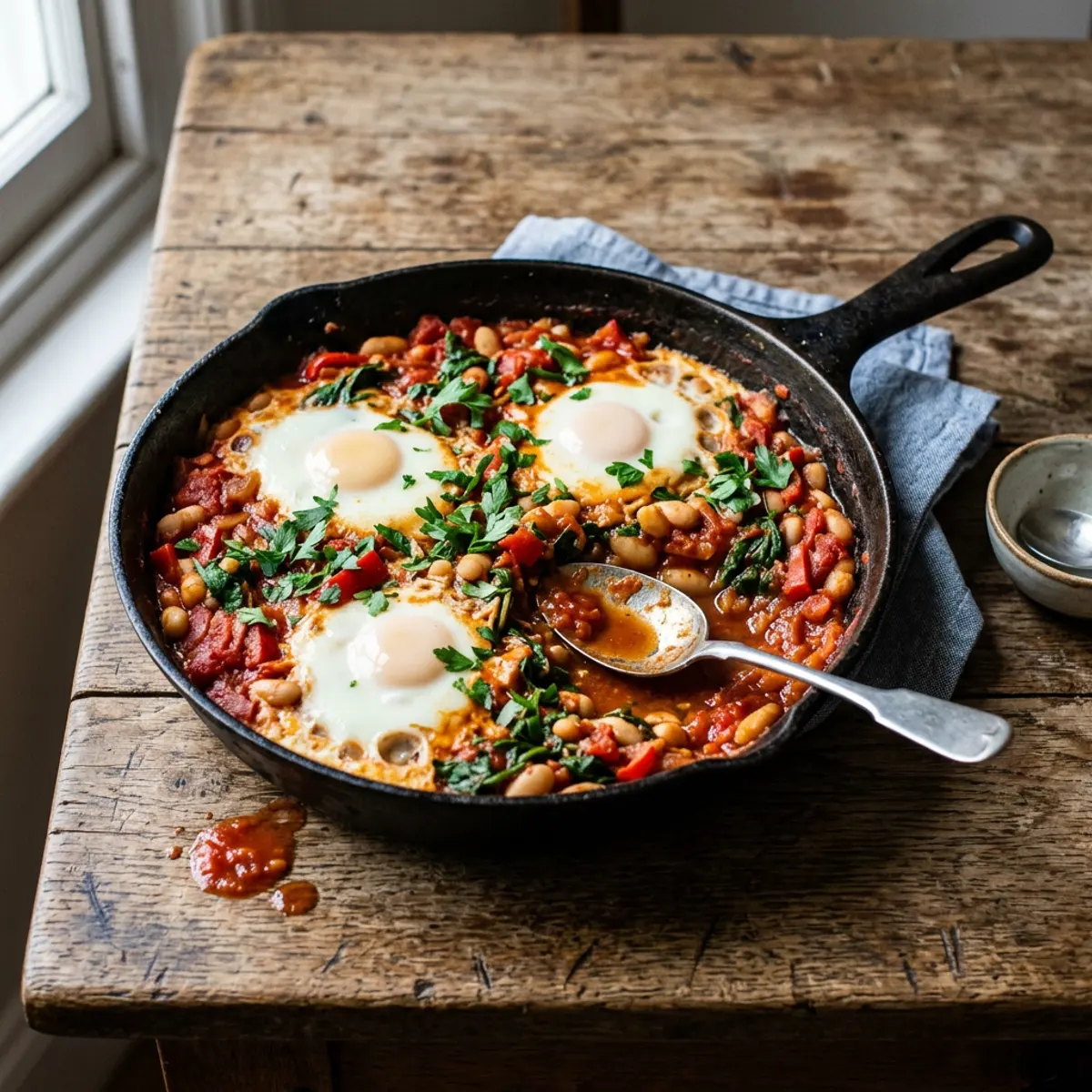
White Bean Shakshuka
Eggs poached in a spiced tomato and white bean sauce, a skillet supper at 299 calories a serving when you want eggs for dinner.
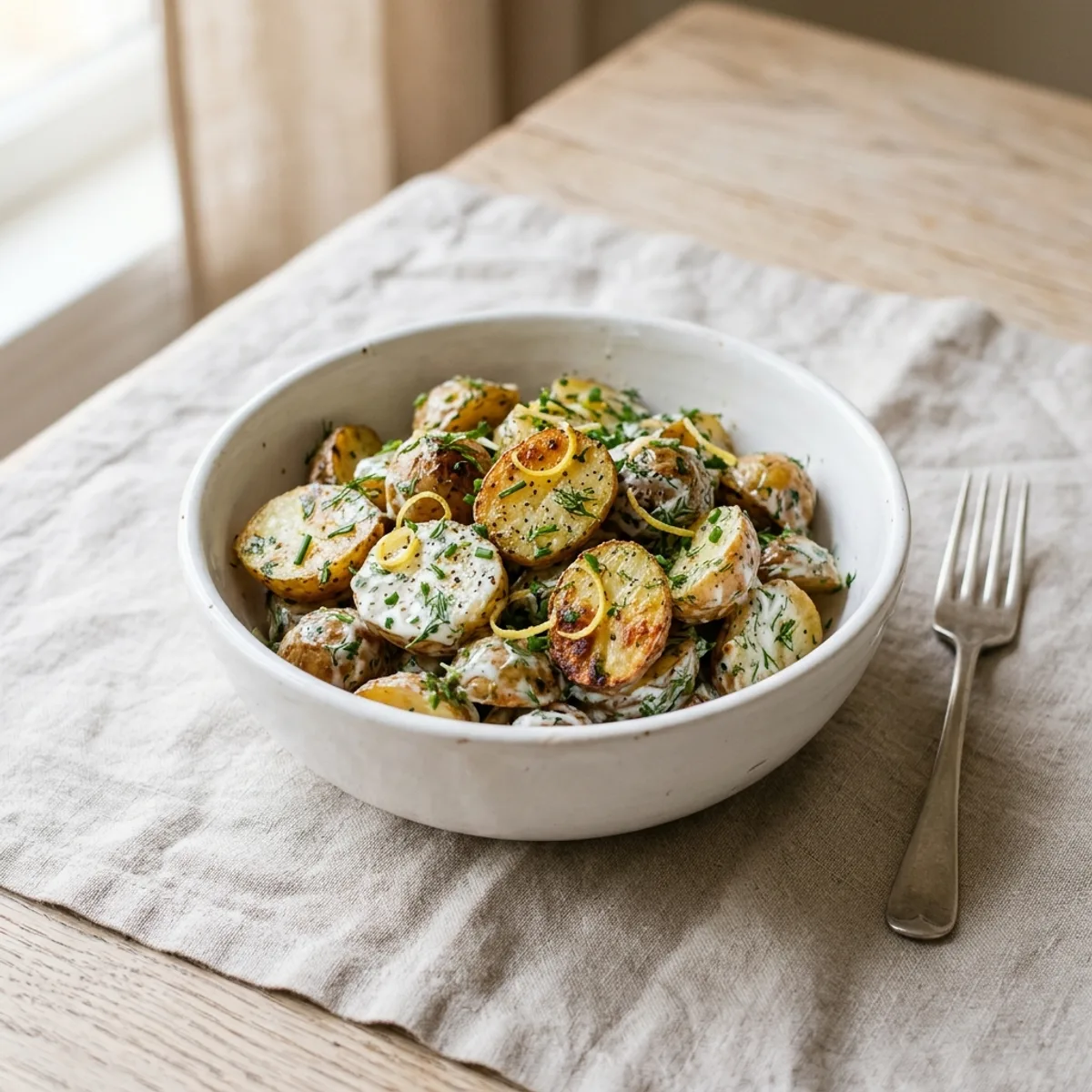
Roasted Potato Salad
Crisp roasted potatoes dressed while warm, 243 calories a serving, for the days a potato is what you are actually hungry for.
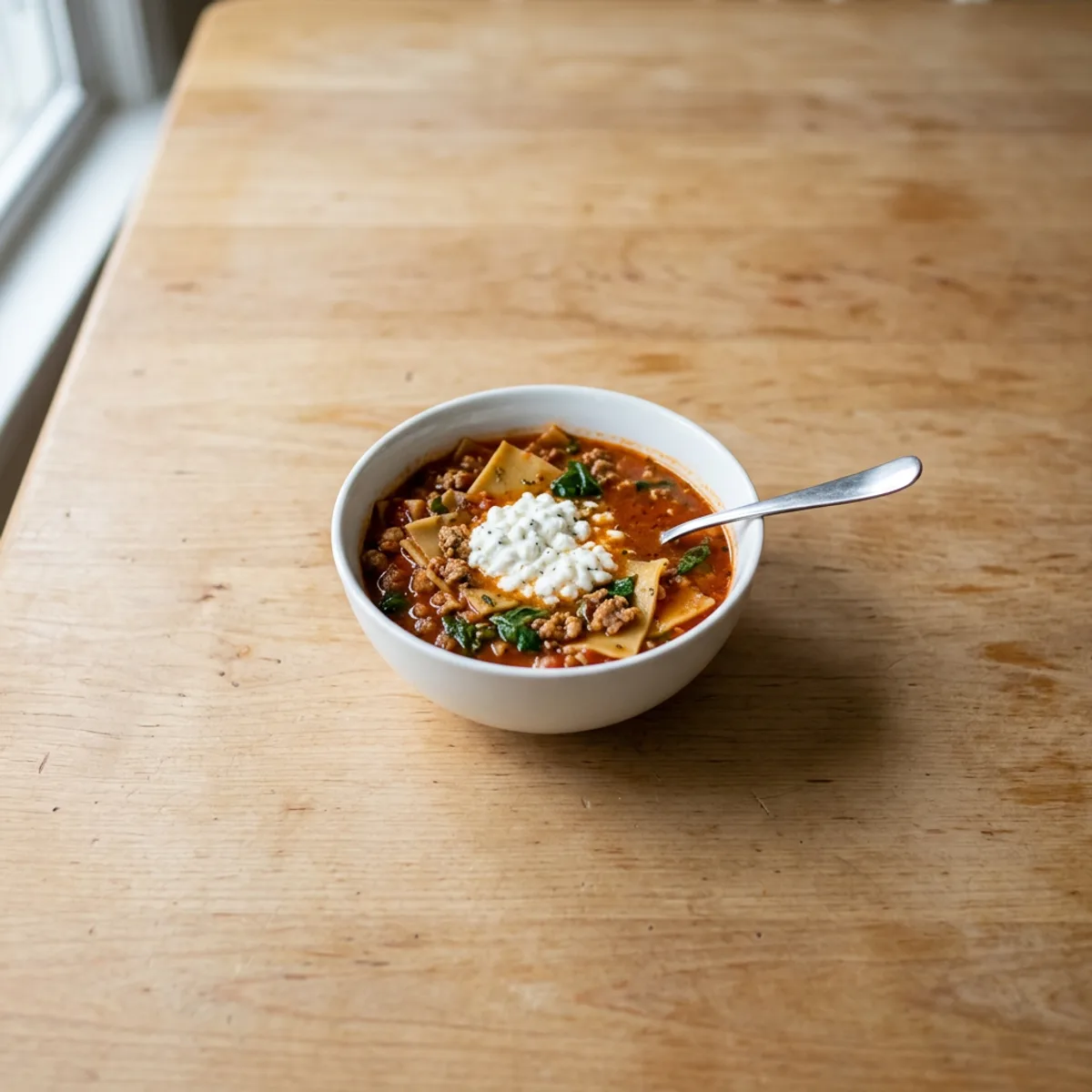
One-Pot Lasagna Soup
All the flavor of a lasagna in a bowl of tomato broth, 341 calories, for a cold night after the vegetable soup runs out.
General information, not medical or dietary advice. Nutrition values are estimates. See our full disclaimer.
Frequently asked questions
What is the lowest calorie meal to lose weight?
There is no single lowest calorie meal that makes weight loss happen. The lightest of the three here is the vegetable and kidney bean soup at 254 calories a big bowl, but a meal so small that you are hungry an hour later rarely helps; the CDC frames a healthy eating plan as one that stays within your daily calorie needs.
How to lose 10lbs in 30 days meal plan?
Ten pounds in 30 days is faster than the pace the CDC describes, about 1 to 2 pounds a week, which it says people are more likely to keep off. Build the month from meals like these and ask your doctor or a registered dietitian for a calorie target that suits you.
What food fills you up but has low calories?
Foods with a lot of water and bulk for their calories: vegetables, broth-based soups, beans and lean fish or poultry. In a 2007 lab study, people who started lunch with a vegetable soup ate about 20 % fewer calories at that meal than without the soup.
How can I drop 20 pounds fast?
The CDC lists losing 20 pounds in 2 weeks as an example of an unrealistic goal that can leave you feeling defeated, and says a gradual pace of about 1 to 2 pounds a week is more likely to last. Talk with your health care provider before any fast plan, especially if you take medication.
Comments
Tried it? Tell us how it went: your comment helps other readers.