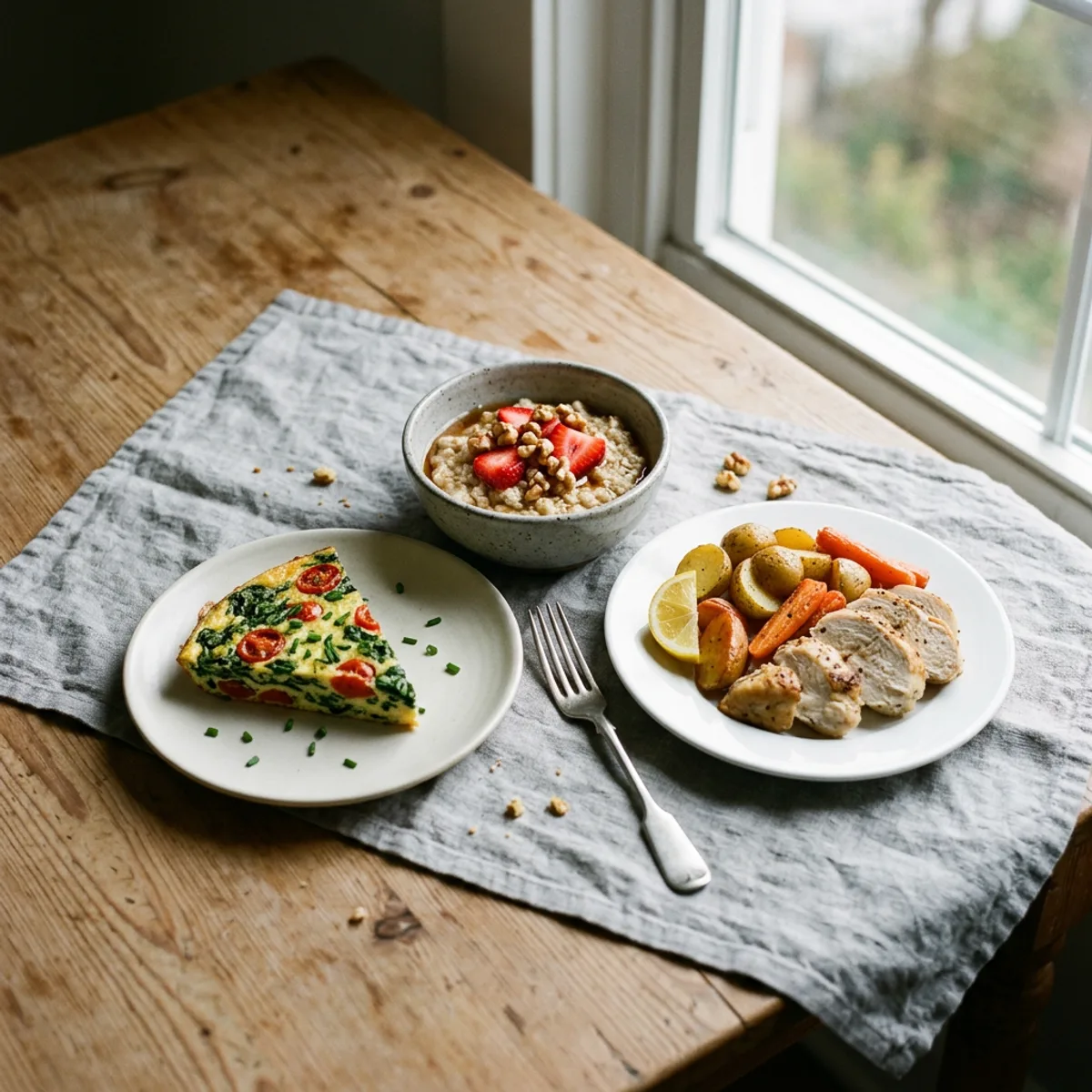
The low FODMAP diet is a short, planned trial for irritable bowel syndrome, not a way of life. NIDDK says doctors may suggest it for a few weeks, then add foods back one at a time. The trials show it lowers symptoms for many people. Three recipes follow.
| Recipe | What it is built on | Per serving |
|---|---|---|
| Strawberry-walnut oatmeal | Rolled oats, strawberries, walnuts, a little maple syrup | 293 calories, 8 g protein, 296 mg sodium |
| Spinach and tomato frittata | Eggs, spinach, cherry tomatoes, chives | 151 calories, 10 g protein, 411 mg sodium |
| Lemon chicken sheet pan | Chicken breast, baby potatoes, carrots, lemon | 375 calories, 41 g protein, 554 mg sodium |
I like to start a plan like this from the produce, and these three meals are about the simplest ones I know: oats and fruit in the morning, eggs and greens at lunch, one tray in the oven for dinner. Nothing in them needs a special store. A pause of a few weeks (our ginger water is a plain drink to pair with it) is easier when the food is plain and good, and you are not hunting for an ingredient at every meal.
Irritable bowel syndrome and the low FODMAP diet: what the trials show
FODMAP stands for fermentable oligosaccharides, disaccharides, monosaccharides and polyols, a group of carbohydrates that are hard to digest. The diet cuts them for a while to see whether symptoms settle. What follows is what we read on PubMed, and where each study stops.
- A 2021 meta-analysis of 12 trials (PMID 33585949). The low FODMAP diet reduced IBS severity by a moderate-to-large amount compared with a control diet (standardized mean difference -0.66) and raised quality-of-life scores. The authors say longer-term effects on nutritional adequacy and the gut microbiome still need work.
- A 2022 network meta-analysis of 13 trials, 944 people (PMID 34376515). Against a habitual diet, the risk of symptoms not improving was lower on a low FODMAP diet (RR 0.67). It ranked first for bloating, pain and bowel habit. The authors note most trials ran in specialist care and did not study reintroduction or personalizing the diet.
- A 2024 umbrella review of 11 meta-analyses and 24 trials, 1,646 people (PMID 38711328). The diet improved total symptoms, quality of life, stool consistency and frequency. Some studies showed possible dysbiosis, and the authors rate the certainty of the evidence as low.
- A 2014 crossover trial from Monash University, 30 people with IBS (PMID 24076059), titled "A diet low in FODMAPs reduces symptoms of irritable bowel syndrome". After 21 days on the low FODMAP diet, the overall symptom score was 22.8 mm, against 44.9 mm on a typical Australian diet. Bloating, pain and wind were also lower. It was a small trial with a single-blind design.
- A 2022 crossover trial, 29 adults with IBS (PMID 36384081). Seven days at 4 g of FODMAPs a day gave lower symptom severity than 23 g a day. About a third of the people (34 %) responded clinically, and the response was higher in people who started with worse symptoms.
So the evidence is mostly positive, and it is also modest: short trials, small groups, low certainty in the largest review. Monash says about three in four people with IBS improve on the diet and about one in four do not, and the trial above that counts responders puts it at a third. Both are honest reasons to treat the diet as a test and to work with a professional.
Low FODMAP diet food lists: what NIDDK names as high in FODMAPs
NIDDK, the National Institute of Diabetes and Digestive and Kidney Diseases, gives these examples of foods that contain FODMAPs. It is a list of examples, not a full inventory, so a dietitian is still the best guide:
- Fruit: apples, apricots, blackberries, cherries, mango, nectarines, pears, plums and watermelon, juice made from any of them, canned fruit in natural juice, and large amounts of fruit juice or dried fruit.
- Vegetables: artichokes, asparagus, beans, cabbage, cauliflower, garlic and garlic salts, lentils, mushrooms, onions, and sugar snap or snow peas.
- Dairy: milk and milk products, soft cheeses, yogurt, custard and ice cream.
- Grains: wheat and rye products.
- Sweeteners: honey, foods with high-fructose corn syrup, and candy and gum made with sweeteners ending in "-ol", such as sorbitol, mannitol, xylitol and maltitol.
That is also why these recipes do not use onion, garlic, beans, dairy or wheat, and why the oatmeal has a teaspoon of maple syrup rather than honey. ## Food list for low FODMAP diet: where to find a full one
A complete list is longer than the one above and depends on the serving size, which is why Monash grades foods in its app and why a registered dietitian can build one around your symptoms. Where a food is not on NIDDK's list, that does not prove it is safe in every amount; Monash's app grades foods by serving size, and a dietitian can read it with you.
How the diet is meant to work
Both NIDDK and Mayo Clinic describe the diet for people with irritable bowel syndrome, and both mention working with a dietitian. NIDDK says you may try it for a few weeks to see whether symptoms improve, and then slowly add foods with FODMAPs back in, because you may be able to eat some of them without symptoms.
Monash University, which developed the diet, lays it out in three steps. Step 1 swaps high-FODMAP foods for low-FODMAP ones for 2 to 6 weeks. Step 2 keeps that diet and tests one FODMAP group at a time, eating a food rich in only that group daily for 3 days and noting symptoms. Step 3 relaxes the restrictions as far as your symptoms allow, so that the long-term diet is as varied as possible. The point of steps 2 and 3 is not to stay on a narrow diet forever.
Strawberry-walnut oatmeal made with water
A bowl of oats cooked in water and finished with strawberries is the simplest breakfast I know for a week like this. Cooking with water keeps dairy out of the pot, and the walnuts bring the crunch a splash of milk would otherwise give.
Serves 2. Prep 5 minutes. Cook 5 minutes.
Ingredients
- 80 g (1 cup) rolled oats
- 480 ml (2 cups) water
- 1/4 teaspoon salt
- 150 g (1 cup) frozen strawberries, thawed
- 30 g (4 tablespoons) chopped walnuts
- 2 teaspoons maple syrup
Steps
- Simmer. Bring the water and salt to a boil in a small saucepan, stir in the oats and lower the heat.
- Cook. Cook for about 5 minutes, stirring now and then, until the oats are soft and the porridge has thickened.
- Divide. Spoon the oatmeal into two bowls.
- Finish. Top each bowl with half the strawberries and their juice, half the walnuts and 1 teaspoon of maple syrup.
Per serving (one bowl): about 293 calories, 8 g protein, 41 g carbohydrate, 12 g fat, 296 mg sodium.
Storage: keep leftover plain oatmeal in the fridge up to 3 days; add the toppings after reheating.
Make it your own: for a warm drink alongside, our peppermint tea uses leaves only; use another fruit you know you tolerate in the same weight, and leave the syrup out if you want no sweetener at all.
Spinach and tomato frittata with chives
Eggs, greens, tomatoes and chives, finished in the oven. It is the lunch I would cook on Sunday and cut into four, with one slice for a day and the rest under a lid.
Serves 4 slices. Prep 10 minutes. Cook 15 minutes.
Ingredients
- 6 large eggs
- 60 g (about 2 cups) baby spinach
- 150 g (1 cup) cherry tomatoes, halved
- 2 tablespoons chopped fresh chives
- 1 tablespoon olive oil
- 1/2 teaspoon salt
- 1/4 teaspoon black pepper
Steps
- Heat. Set the oven to 375°F (190°C). Warm the olive oil in a 10-inch (25 cm) oven-safe skillet over medium heat.
- Wilt. Add the spinach and the tomatoes, and stir for 2 minutes, until the spinach wilts.
- Whisk. Beat the eggs with the salt and pepper in a bowl and pour them over the vegetables. Scatter the chives on top.
- Bake. Transfer the skillet to the oven and bake 10 to 12 minutes, until the center is set and no longer runny. FoodSafety.gov says egg dishes such as frittata should reach 160°F (71°C).
- Rest. Let it sit for 5 minutes, then cut it in four.
Per serving (one slice): about 151 calories, 10 g protein, 3 g carbohydrate, 11 g fat, 411 mg sodium.
Storage: refrigerate in a lidded container up to 3 days and reheat until hot.
Make it your own: swap the spinach for another leafy green you tolerate, and add a handful of fresh herbs at the end.
Lemon chicken sheet pan with potatoes and carrots
One tray, two stages. The potatoes and carrots get a head start, the chicken joins them, and a squeeze of lemon at the end does the work an onion would do in other recipes.
Serves 4. Prep 15 minutes. Cook 30 minutes.
Ingredients
- 680 g (1 1/2 lb) boneless, skinless chicken breast, cut in 4 pieces
- 450 g (1 lb) baby potatoes, halved
- 200 g (about 3 medium) carrots, peeled and cut in sticks
- 2 tablespoons olive oil
- 2 tablespoons lemon juice
- 1 teaspoon paprika
- 1 teaspoon dried oregano
- 3/4 teaspoon salt
- 1/4 teaspoon black pepper
Steps
- Heat. Set the oven to 425°F (220°C) and line a large sheet pan with parchment.
- Start the vegetables. Toss the potatoes and carrots with half the oil and a third of the salt, spread them on the pan and roast for 15 minutes.
- Season the chicken. Rub the chicken with the rest of the oil, the lemon juice, paprika, oregano, the remaining salt and the pepper.
- Add and roast. Push the vegetables aside, set the chicken on the pan and roast another 15 minutes, until the thickest part reaches 165°F (74°C). FoodSafety.gov lists 165°F for chicken and other poultry.
- Finish. Spoon any pan juices over everything and serve.
Per serving: about 375 calories, 41 g protein, 25 g carbohydrate, 12 g fat, 554 mg sodium. The chicken's weight is raw, and the totals are estimates.
Storage: keep in the fridge up to 3 days; reheat the chicken to 165°F (74°C).
Make it your own: swap the carrots for green beans or zucchini, and finish with fresh parsley.
Cooked from this page
Kerth G cooked from this page and was happy with it: the food tasted delicious, the texture came out great, and nothing took long. Kerth admits to being loose with one ingredient and plans to measure more carefully when making it again.
Safety: who should go slowly with the low FODMAP diet
- See a doctor first. NIDDK says it is your doctor who may suggest the diet, and recommends talking with a dietitian. Do not guess at IBS from symptoms alone; the diet is described for people with a diagnosis.
- Not for the long term. NIDDK describes the diet as something to try for a few weeks, followed by adding foods back. Monash says the aim is a less restrictive, more balanced diet in the long run.
- Fiber. NIDDK says to add fiber slowly, 2 to 3 grams a day, because too much at once can cause gas and trigger symptoms; our high fiber foods page lists fiber amounts, though many of its recipes use beans, which NIDDK names as a high-FODMAP food.
- Gluten. NIDDK and Mayo Clinic both say some people with IBS have symptoms after gluten even without celiac disease; ask your doctor before you cut it out.
- Food safety. Cook the chicken to 165°F (74°C) and the frittata to 160°F (71°C), as FoodSafety.gov advises.
- Allergens: eggs (frittata), tree nuts (walnuts).
Food supports a way of eating; it does not replace the care of your doctor or dietitian.
Where the numbers and facts come from
- Nutrition: each recipe was calculated ingredient by ingredient from USDA FoodData Central: rolled oats, frozen strawberries, walnuts, maple syrup, eggs, spinach, tomatoes, chicken breast, potatoes and carrots. Chives and pepper are too small to count, and the totals are estimates.
- Studies: PubMed searches on November 17, 2026 for meta-analyses and trials of the low FODMAP diet in irritable bowel syndrome. We read the abstract of each study cited above.
- Official sources: NIDDK, Eating, Diet, & Nutrition for Irritable Bowel Syndrome; Mayo Clinic, Irritable bowel syndrome: diagnosis and treatment; Monash University, Starting the FODMAP diet; FoodSafety.gov, Safe minimum cooking temperatures. All read on November 17, 2026.

Ginger Water With Lemon
A warm mug for between meals; leave out the honey while you follow the diet, since NIDDK lists honey among the foods that contain FODMAPs.
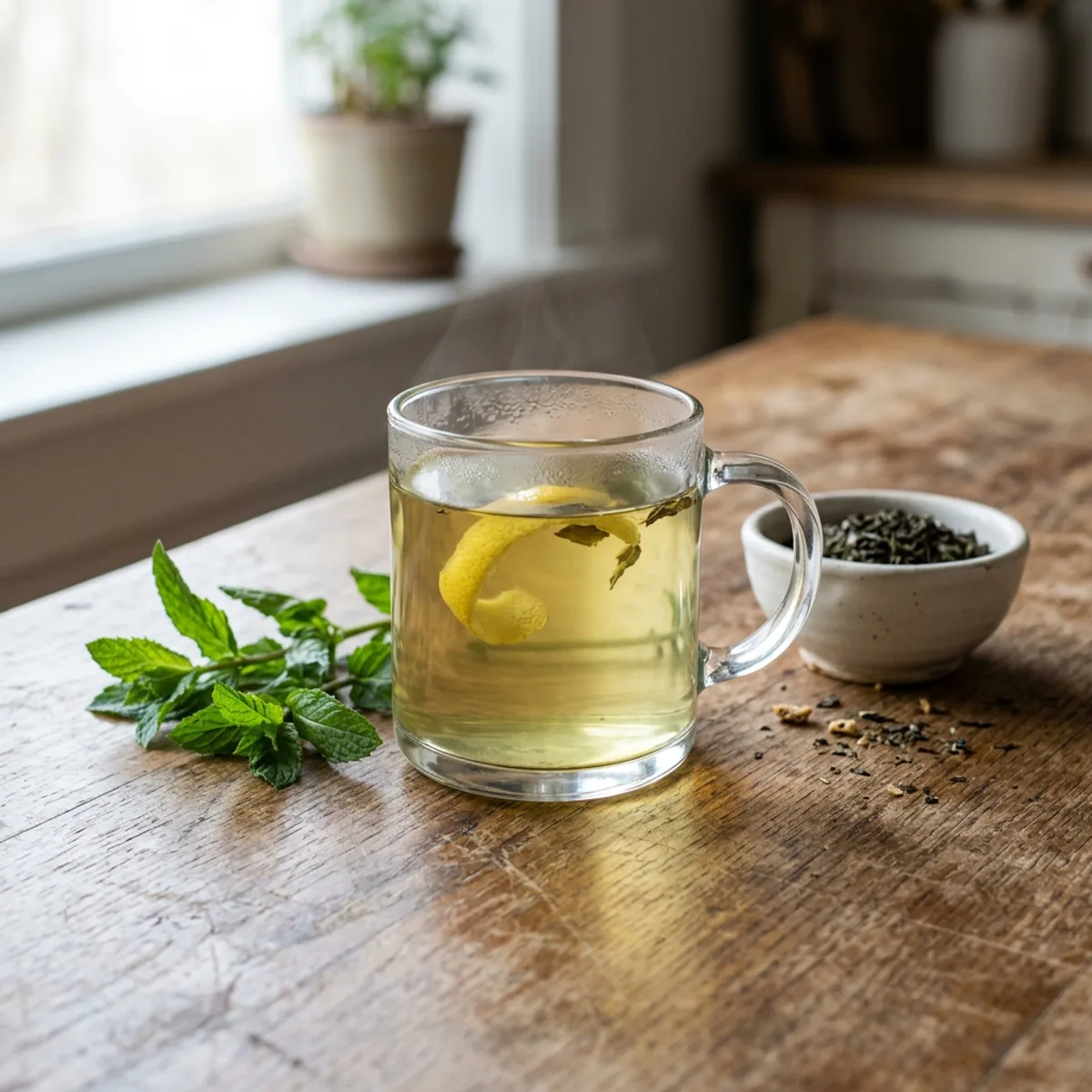
Peppermint Tea From Fresh and Dried Leaves
The page also explains why the IBS trials on peppermint used oil capsules rather than tea.
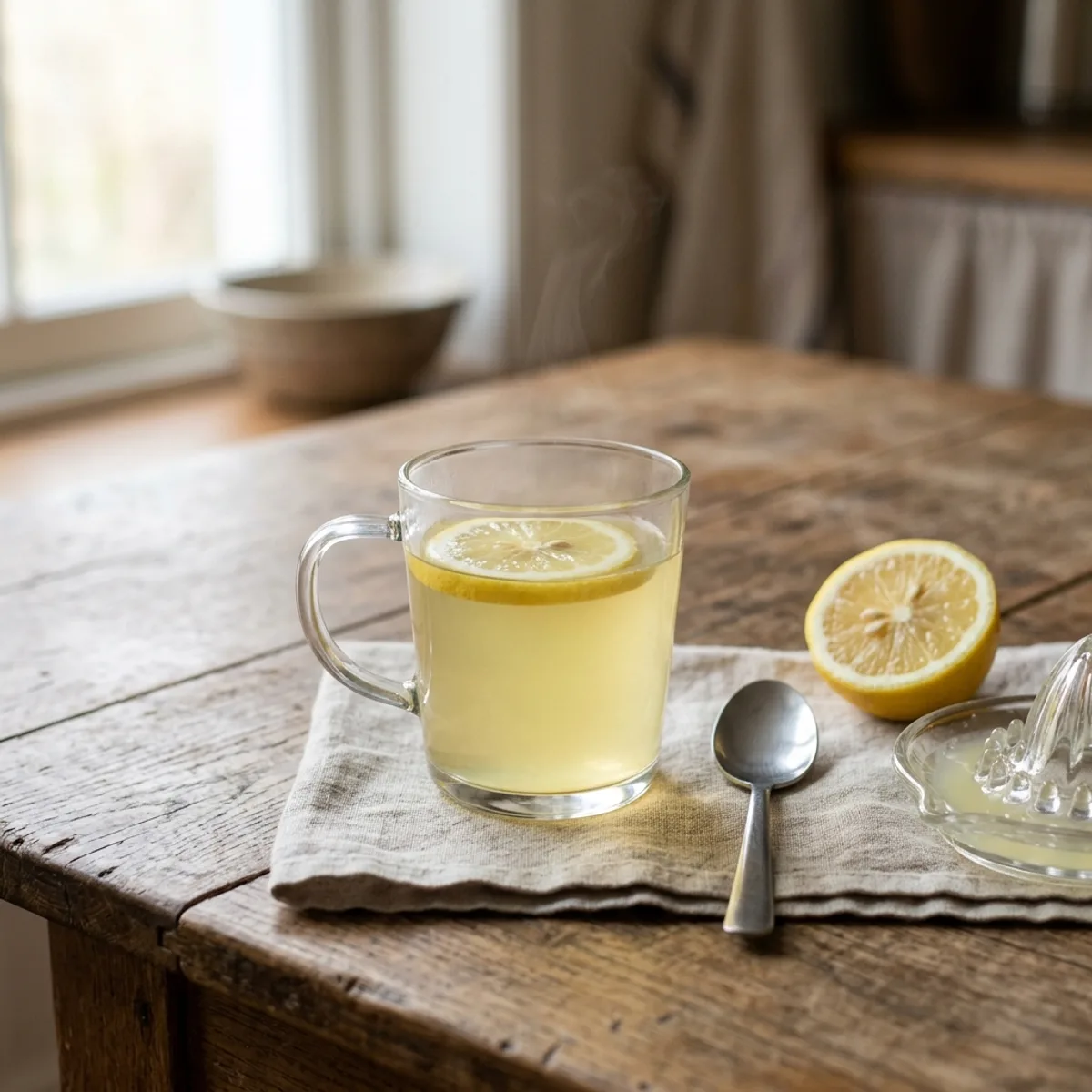
Warm Lemon Water
A plain hot drink with no honey needed, if you skip the optional teaspoon.
General information, not medical or dietary advice. Nutrition values are estimates. See our full disclaimer.
Frequently asked questions
What are some good foods to eat on a low FODMAP diet?
NIDDK does not give a full list of allowed foods; it names examples of foods that contain FODMAPs so you can swap them out. The three recipes here show one way to build meals without any of them: oats, eggs, spinach, chicken, potatoes and carrots. For a complete, tested list, a dietitian or the Monash app is the place to look.
What sandwich is ok for IBS?
Neither NIDDK nor Mayo Clinic names a sandwich. NIDDK says wheat and rye products contain FODMAPs, so the bread is the part to change; Monash's own example is swapping wheat toast for sourdough spelt toast. Ask a dietitian to check the bread and the filling for you.
Can low FODMAP help endometriosis?
Nothing we read covers it. The trials above enrolled people with irritable bowel syndrome, and NIDDK and Mayo Clinic describe the diet only for IBS. If you have both conditions, ask your doctor before you change what you eat.
Are eggs ok for a FODMAP diet?
Eggs are not on NIDDK's list of foods that contain FODMAPs, but that list is a set of examples, not a ruling on every food. The frittata below uses them; check any food you are unsure about with a dietitian or the Monash app.
Where can I find low FODMAP diet food lists?
NIDDK prints a short list of high-FODMAP examples, which we copy below. Monash University, which developed the diet, sorts foods by a traffic light system in its app, and a registered dietitian can build a list around your own symptoms.
Comments
Tried it? Tell us how it went: your comment helps other readers.