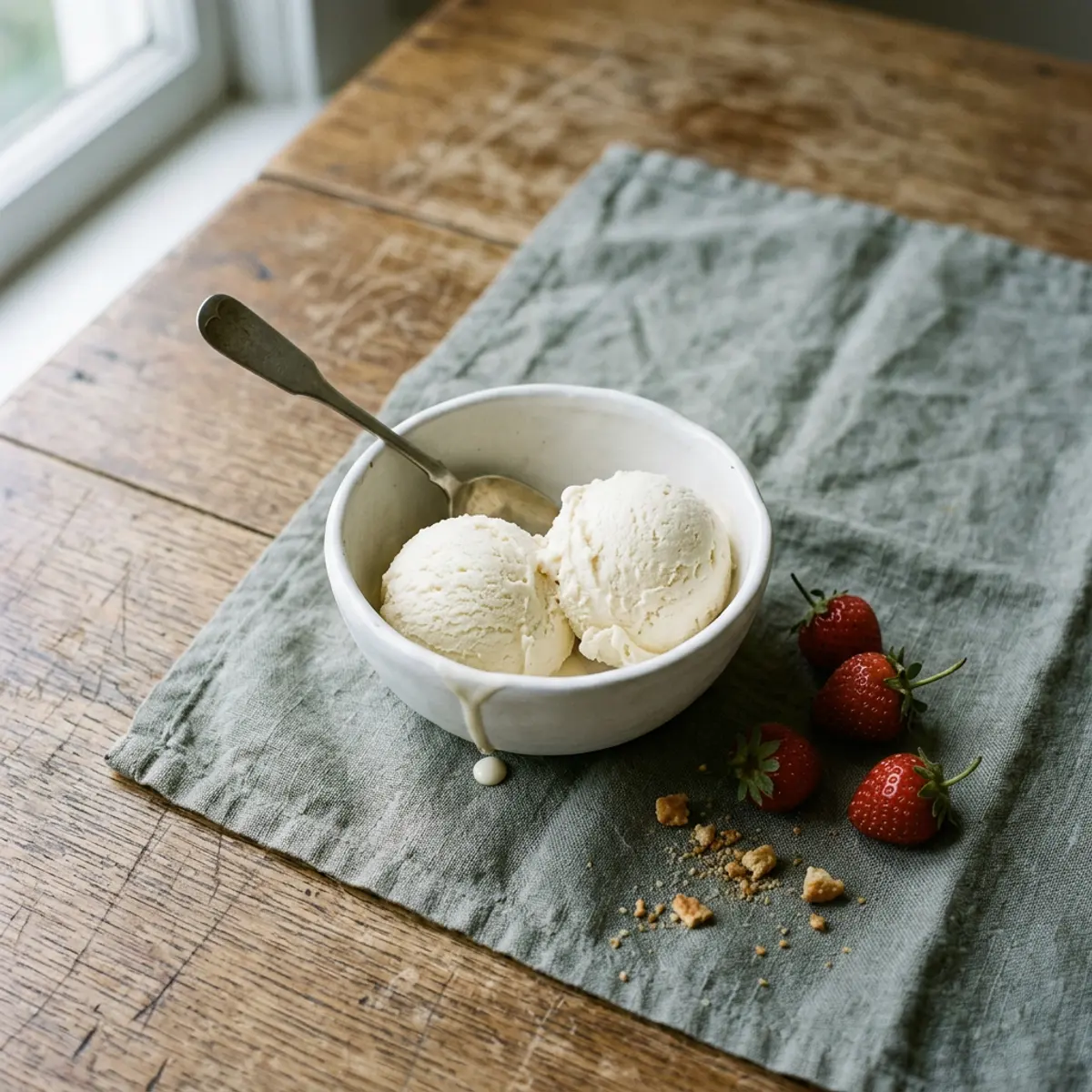
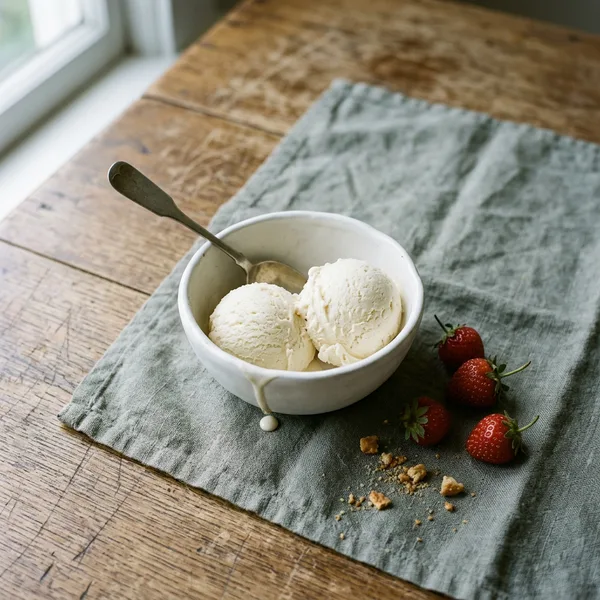
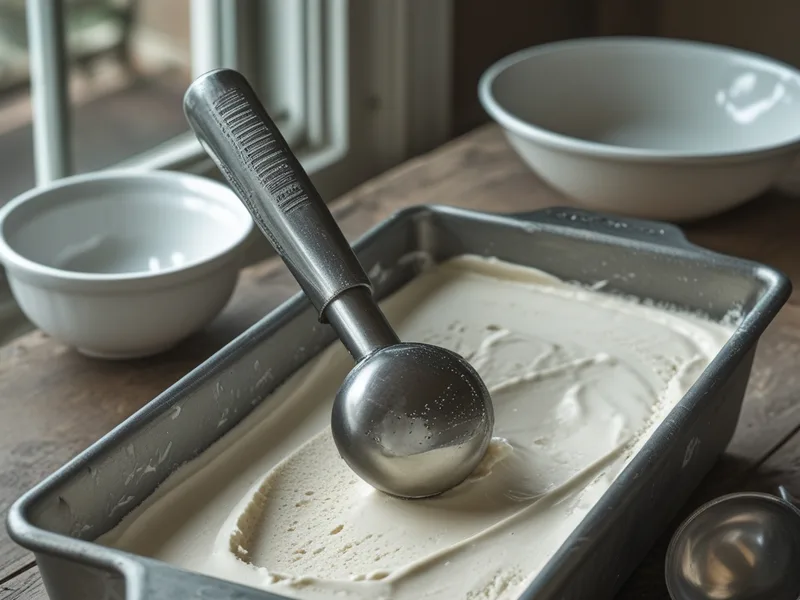
Cottage cheese ice cream is cottage cheese blended smooth with maple syrup, a splash of milk and vanilla, then frozen until you can scoop it. Four ingredients, no ice cream maker, about 10 minutes of work and a night in the freezer. A serving has about 138 calories and 12 g of protein. Jump to the recipe.
If the idea sounds strange, think of it as frozen yogurt made from the other fridge staple. The blender erases the curds, the maple syrup rounds off the tang, and what is left is cool, creamy and a little tart. Below: the quick method, three ways to change it, what the research does and does not say about the protein, and how to keep it scoopable.
Cottage cheese ice cream recipes: the base and three easy versions
| Version | What goes in | What the evidence shows | Main caution |
|---|---|---|---|
| Vanilla base (this recipe) | Cottage cheese, maple syrup, milk, vanilla: 138 kcal and 12 g protein a serving (USDA) | No trial has tested this dessert; studies used casein or dairy protein, mostly as supplements | Cottage cheese is salty: about 357 mg sodium a serving (USDA) |
| Peanut butter | The base plus 2 tablespoons of smooth peanut butter: about 47 kcal and 1.8 g protein more per serving (USDA) | No study found on the dessert | Contains peanuts, a common allergen |
| Strawberry | The base plus 1 cup (149 g) of frozen strawberries: about 13 kcal and 3.4 g carbohydrate more per serving (USDA) | No study found on the dessert | Blend longer, as the berries add ice |
| Ninja Creami-style machine | The base frozen in the machine's own pint container | No study found | Follow your machine's manual |
How to make it, step by step
- Blend. Cottage cheese, maple syrup, milk and vanilla powder go into the blender. Run it for a full minute or two, scraping the sides, until it is as smooth as cream.
- Taste. Frozen food tastes less sweet than it does at room temperature, so be a little generous with the maple syrup now.
- Freeze. Pour it into a loaf pan, lay parchment on top so a skin cannot form, cover, and freeze for about 4 hours.
- Scoop. Ten to fifteen minutes on the counter and the spoon slides in. For the softest scoop, blend the frozen chunks for a few seconds first.
That is the whole recipe. Add a handful of berries or a drizzle of honey on top and call it dessert.
What the evidence says about cottage cheese and protein
This is a dessert with a good ingredient in it, not a treatment. I looked for research on the protein it carries, and none of it tested a frozen dessert.
- Casein before sleep. A 2021 systematic review of nine studies (PMID 32811763) found that 20 to 40 g of casein about 30 minutes before sleep raised overnight protein synthesis in young and older men, and may help muscle gains over 10 to 12 weeks of resistance training in young men, but not in older men. The authors say the conclusions need caution and more data. The studies used casein, not ice cream, and a serving here holds about 12 g of protein.
- Dairy and inflammation. A 2021 systematic review of 27 randomized trials (PMID 32870744) found dairy products had neutral to beneficial effects on inflammation markers. All eight trials on dairy protein reported no effect. One author works for the National Dairy Council, so read it with that in mind.
- More dairy protein in older adults. In a 12-week trial of 171 adults aged 50 and over (PMID 38745486), a daily shake with 20 g of extra protein, plant or dairy, did not change muscle function, body composition or sleep compared with the low-protein group.
The honest summary: protein matters, and cottage cheese is a decent source of it, but these studies do not show that eating a bowl of this ice cream changes muscle, weight or inflammation. If inflammation is your question, my note on whether cottage cheese is anti-inflammatory goes further.
High protein cottage cheese ice cream: where the numbers come from
The totals come from USDA FoodData Central: 2% milkfat cottage cheese, maple syrup and 2% milk. Per serving, the recipe comes to about 138 calories, 16 g of carbohydrate, 12 g of protein, 3 g of fat and 357 mg of sodium.
MedlinePlus says protein should be 10 to 35 % of your daily calories, and that a gram of protein supplies 4 calories. By that arithmetic, 12 g is 48 calories, about a third of this dessert's calories. It is a useful nudge, not a protein supplement.
Tips for a creamy scoop, and the mistakes that make it icy
- Not smooth enough. Blend longer than you think, scraping the sides. Any leftover curds stay grainy when frozen.
- Rock hard. Home freezers are colder than ice cream shops. Give it 10 to 15 minutes on the counter, or blend the chunks again.
- Icy surface. Press parchment right onto the ice cream before it goes into the freezer, and cover the container.
- Too tangy. Add one more teaspoon of maple syrup before freezing, or a little extra vanilla.
- Too salty. Cottage cheese brands vary. Check the label and pick one with less sodium if that matters to you; there is no added salt in the recipe.
Variations and substitutions
- Strawberry. Blend in 1 cup (149 g) of frozen strawberries, then a little longer than the base. A serving gains about 13 calories and 3.4 g of carbohydrate (USDA). If you like pink, this is the one.
- Chocolate. Add 1 tablespoon of unsweetened cocoa powder to the blender; it adds about 12 calories and 1 g of protein for the whole batch.
- Savory side of the same tub. Leftover cottage cheese also goes into scrambled eggs with cottage cheese, a good use for the rest of the carton.
- More protein-rich snacks. For other ideas, see my high-protein snacks for weight loss, or this cottage cheese breakfast bowl for the morning.
Peanut butter cottage cheese ice cream
Blend 2 tablespoons of smooth peanut butter into the base. A serving gains about 47 calories and 1.8 g of protein (USDA). It contains peanuts, so leave it out for anyone with a peanut allergy.
Ninja Creami cottage cheese ice cream
If you own a pint-style frozen dessert machine, freeze the blended base in its pint container and follow your machine's own manual for the rest.
Serving ideas
Scoop it into a cold bowl and top with fresh strawberries, a few chopped nuts or a drizzle of honey. Or spread it between two oat cookies for a quick sandwich. Make it ahead and keep a loaf pan in the freezer for the week. For other sweet things that stay light, browse these healthy dessert recipes for weight loss.
Storage and safety
Food stored constantly at 0 °F (-18 °C) is always safe, says USDA's Food Safety and Inspection Service; only quality suffers with long freezer storage. Press the parchment back onto the surface after each scoop, and the ice cream stays smoother. FSIS also advises discarding soft or melted ice cream to protect its quality, and not refreezing food left out for more than 2 hours, or 1 hour above 90 °F. The recipe contains milk, so it is not for people with a milk allergy.
Where the numbers come from
- Nutrition: USDA FoodData Central, cottage cheese, lowfat 2%, maple syrup, milk, 2%, peanut butter and frozen strawberries. Vanilla powder is not counted, so the total is an estimate.
- Studies: PubMed searches on November 11, 2026 for cottage cheese, casein and dairy protein with satiety, muscle protein synthesis and blood glucose. I read the abstracts of the three studies above.
- Institutions, read on November 11, 2026: MedlinePlus, Protein in diet; USDA FSIS, Freezing and food safety.
Cottage Cheese Ice Cream: 4 Ingredients, a Blender and a Freezer
Cottage cheese, a little maple syrup, milk and vanilla, blended smooth and frozen. A scoopable dessert with real protein in it, plus the numbers behind it, a peanut butter and a strawberry version, and a machine-free way to keep it creamy.
Ingredients
Instructions
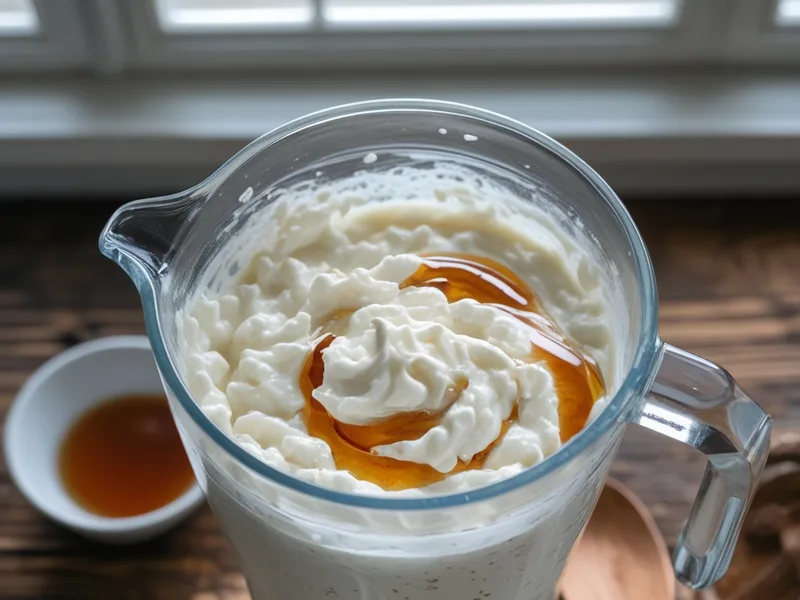
- Blend until completely smooth. Put the cottage cheese, maple syrup, milk and vanilla powder in a blender or food processor. Blend for 1 to 2 minutes, stopping to scrape down the sides, until no curds are left when you rub a drop between your fingers. Taste it: it will taste less sweet once frozen, so add another teaspoon of maple syrup now if you want it sweeter, and blend for 10 seconds.
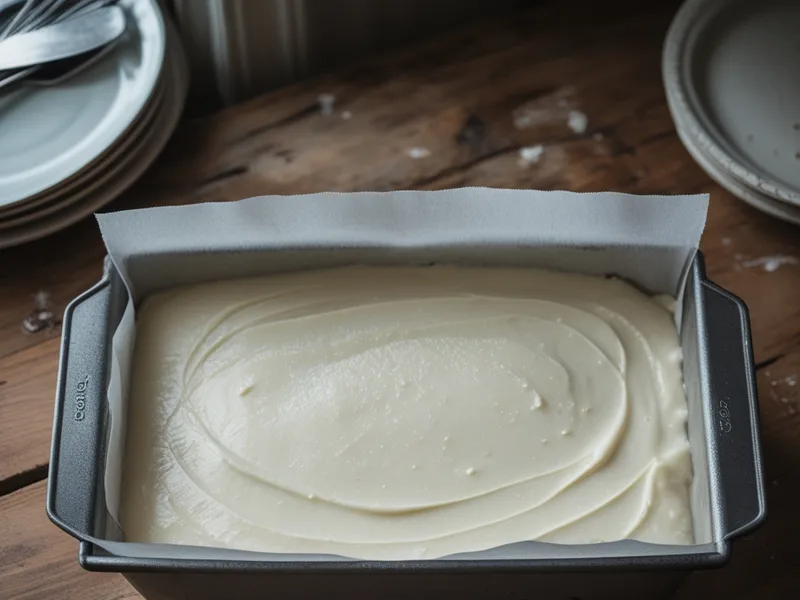
- Freeze. Pour into a loaf pan or a freezer-safe container. Press a sheet of parchment onto the surface, cover and freeze until firm, about 4 hours, or overnight.
- Soften and scoop. Let the container sit on the counter for 10 to 15 minutes, until a spoon sinks in. For the creamiest texture, break the frozen block into chunks and blend again briefly before serving.
Notes
Cottage cheese is salty, so the recipe has no added salt.
Freezing times are a range. The ice cream is ready when a spoon pressed into the middle meets firm but not rock-hard resistance.
Melted ice cream is not worth refreezing, so scoop what you need and return the rest to the freezer quickly.
Nutrition Facts
Per serving (estimated)
- Total Fat
- 3 g
- Sodium
- 357 mg
- Total Carbohydrate
- 16 g
- Protein
- 12 g
General information, not medical or dietary advice. Nutrition values are estimates. See our full disclaimer.
Frequently asked questions
Is cottage cheese ice cream good?
Cottage cheese is mild and a little tangy, so blended and frozen it tastes closer to a frozen yogurt than to a rich custard ice cream. A few spoonfuls of maple syrup and some vanilla make it a sweet, creamy dessert, and the blender removes the curds.
How do you make cottage cheese ice cream creamy?
Blend the cottage cheese for a full 1 to 2 minutes until it is completely smooth, press parchment on the surface before freezing, and let it soften on the counter for 10 to 15 minutes before scooping. Blending the frozen chunks again just before serving gives the smoothest result.
Can you make cottage cheese ice cream without an ice cream maker?
Yes. This recipe needs only a blender or food processor and a freezer: blend, pour into a container, freeze until firm, then let it soften and scoop.
Is cottage cheese ice cream high in protein?
A serving of this recipe has about 12 g of protein and 138 calories, according to USDA FoodData Central values for the ingredients. That puts roughly a third of its calories from protein, which is the high end of the 10 to 35 % range MedlinePlus gives for a day.
Does it need to be 2% cottage cheese?
No. The recipe was costed with 2% milkfat cottage cheese, so the numbers shift a little with another fat level. A fuller-fat cottage cheese gives a creamier scoop and more calories; a fat-free one will feel icier.
Comments
Tried it? Tell us how it went: your comment helps other readers.