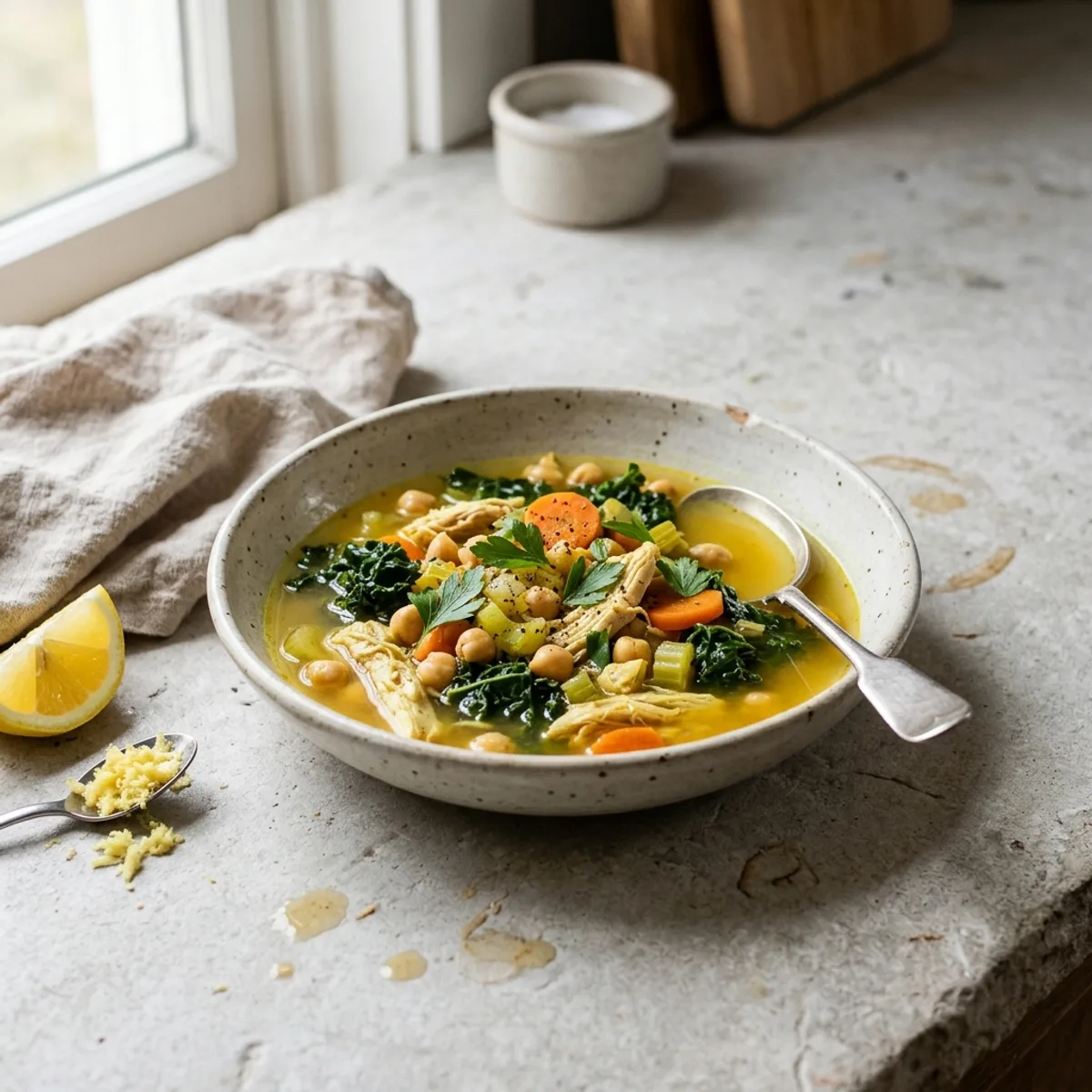
This anti inflammatory soup is a golden pot of chicken, chickpeas and lacinato kale, warmed with fresh ginger, turmeric and black pepper, then finished with lemon and parsley. Six bowls of about 310 calories and 35 g of protein each. It is a good meal, not a treatment: the turmeric and ginger trials tested supplements. Jump to the recipe.
Start with a fat knob of ginger and a bunch of dark kale and the rest is easy. We cook it the way we cook most soups at home: soften the vegetables slowly in olive oil, wake the spices up in the fat, poach the chicken whole in the broth so it stays tender, and finish off the heat with lemon and herbs. The chickpeas are the swap that makes it a full dinner, with fiber and a second source of protein in every spoonful.
Anti inflammatory soups at a glance
| Soup | What is in it | What the evidence shows | Main caution |
|---|---|---|---|
| Anti-inflammatory turmeric chicken soup (this recipe) | Chicken, chickpeas, kale, ginger, turmeric; about 310 calories and 35 g protein per bowl | No trial has tested this soup; the turmeric and ginger trials used supplements | Cook the chicken to 165 °F (USDA FSIS) |
| Chicken soup with vegetables and herbs | Chicken, vegetables, broth | 4 small studies in adults with colds and other respiratory infections: modest symptom relief, lower inflammatory markers in 2 of them | Reheat soup to a rolling boil (USDA FSIS) |
| Anti inflammatory soup recipes without meat | Vegetable broth and a second can of chickpeas instead of the chicken | No study found | Legumes may cause gas in some people (NIDDK) |
| Lentil soup with anti inflammatory spices | Green lentils simmered in the same ginger and turmeric base | No study found | Legumes may cause gas in some people (NIDDK) |
| Miso soup | Fermented soybean paste in broth | Outside the studies we read | Not covered in this recipe |
Why this anti-inflammatory turmeric chicken soup works
- The spices go into the fat first. Turmeric and ginger cooked for a minute in olive oil taste round and warm. Stirred into hot broth at the end, turmeric tastes dusty.
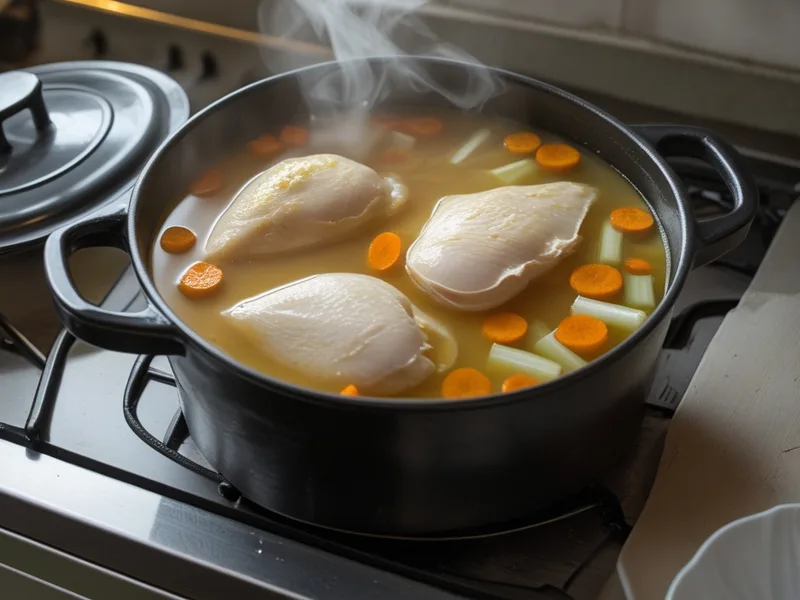
- Whole breasts, shredded at the end. The chicken poaches gently in the broth and comes out juicy. You also get a thermometer reading in one clear spot.
- Chickpeas and kale do the heavy lifting. They turn a light broth into a bowl that holds you until the next meal, with protein from two sources and plenty of fiber.
- Lemon at the very end. It brightens everything and lets you go easy on salt, which matters in any soup made with store-bought broth.
What to buy
- Fresh ginger. Look for a firm, heavy piece with smooth, shiny skin. Wrinkled ginger is dry and stringy. Scrape the skin off with a spoon and grate it on a fine grater. Any left over is a good start for a fire cider recipe, steeped in vinegar with garlic and horseradish.
- Ground turmeric. A bright, deep yellow jar. If yours has turned dull and smells of nothing, it has lost most of its flavor.
- Lacinato kale. The dark, bumpy kind, sometimes sold as Tuscan or dinosaur kale. It holds its shape in soup better than curly kale. Strip the leaves off the tough stems.
- Low-sodium chicken broth. The label matters here: regular broth can double the salt of the whole pot.
- Chickpeas. One 15-ounce can, drained and rinsed. Cooked dried chickpeas work too, about 1 1/2 cups.
Is chicken soup anti-inflammatory? What the trials tested
Short version: some of the ingredients in this pot have been studied, but almost always as concentrated supplements, never as a soup. Here is what I read on PubMed on November 5, 2026.
- Soup itself. A 2025 systematic review (PMID 40647351) found only 4 studies, with 342 adults in all, that gave soup to people with colds or other acute respiratory infections. Most used chicken-based soups with vegetables and herbs. They found modest drops in symptom severity and illnesses that were shorter by 1 to 2.5 days, and 2 of the studies reported lower inflammatory markers (IL-6, TNF-α, CRP). The authors call the evidence preliminary.
- Ginger. A 2020 meta-analysis (PMID 32763761) pooled 16 randomized trials with 1,010 participants who took ginger supplements. CRP, hs-CRP and TNF-α went down; IL-6 and sICAM did not change significantly. The trials varied a lot from one to the next, and the authors ask for larger ones.
- Curcumin, the yellow compound in turmeric, in arthritis. A 2022 meta-analysis (PMID 35935936) gathered 29 trials with 2,396 people with five kinds of arthritis. They took 120 to 1,500 mg of curcumin or turmeric extract a day for 4 to 36 weeks, and symptoms and inflammation levels improved. The authors warn that the trials were few and of low quality.
- Curcumin in type 2 diabetes. A 2024 meta-analysis (PMID 39683570) of 18 trials with 1,382 adults found lower CRP with curcumin than with placebo, along with a fasting blood sugar about 11.5 mg/dL lower. The authors say the right dose, duration and form still have to be worked out.
The limit those trials leave open
Every one of the turmeric and ginger studies above tested a capsule or an extract at a measured dose. Two teaspoons of turmeric spread over six bowls is a spice, and none of these trials looked at what it does in a pot of soup. NCCIH puts it plainly: we don't know enough to definitively conclude if turmeric or curcumin is beneficial for any health purpose. NCCIH also notes that curcumin products often add piperine from black pepper to improve absorption; we add black pepper because it tastes right with turmeric, not as a dose.
So the honest case for this bowl is a way of eating: vegetables, legumes, lean protein and olive oil, cooked simply. Single foods deserve the same careful look; sweet potatoes get one, with a miso-ginger glaze, in are sweet potatoes anti inflammatory.
Tips and mistakes to avoid in an anti inflammatory chicken soup recipe
- Do not rush the first step. Eight minutes of gentle cooking gives the onion and carrots their sweetness. On high heat they brown at the edges and stay hard in the middle.
- One minute for the spices, no more. Turmeric burns quickly and turns bitter. Have the broth measured and ready before the spices go in.
- Check the chicken in the thickest part. Breasts of different sizes finish at different times; lift out the thin ones first.
- Kale goes in last. A few minutes keeps it dark green with a little bite. Simmered for 20 minutes, it turns olive and soft.
- Salt at the end, and only if it needs it. The broth and the canned chickpeas already bring some.
More anti inflammatory chicken soup recipes and swaps from the same pot
The base, onion, carrot, celery, ginger and turmeric in olive oil, takes many fillings. Each swap changes the calories, protein and sodium per bowl from the numbers on the recipe card.
- Anti inflammatory soup recipes without meat. Use vegetable broth, skip the chicken and add a second can of chickpeas. Simmer 10 minutes before the kale.
- Lentil soup, anti inflammatory spices. Skip the chicken and add 1 cup of rinsed dry green lentils with the broth, plus 2 more cups of water. Simmer about 25 minutes, until the lentils are tender, then add the kale and lemon.
- Coconut-creamy. Stir half a cup of light coconut milk in with the kale for a rounder, softer bowl.
- Brothy with noodles. Cook a handful of whole wheat pasta separately and add it to each bowl, so it does not swell in the pot overnight.
- Spinach instead of kale. Baby spinach wilts in one minute off the heat.
If you like chicken and beans with cumin and green chiles instead, the white chicken chili recipe uses the same trick of poaching whole breasts and shredding them at the end.
Serving suggestions
A big bowl is a full dinner. On the table, we like a drizzle of olive oil, a few extra parsley leaves and a lemon wedge on the side, with good bread for dipping. For a lighter lunch, pair a smaller bowl with a crunchy salad. If you like to cook once for the week, this pot sits well next to the other batches in my meal prep ideas for weight loss.
Storage and make-ahead
Cool the soup in shallow containers and get it into the fridge within 2 hours of cooking, as USDA FSIS advises. FSIS says leftovers keep 3 to 4 days in the fridge or 3 to 4 months in the freezer. Reheat soup to a rolling boil. The kale softens in the fridge and the chickpeas drink up some broth, so add a splash of water when you reheat, and a fresh squeeze of lemon.
To get ahead, the base, with the onion, carrots, celery and spices, can be cooked a day early and chilled. Finish with the broth, chicken, chickpeas and kale when you are ready to eat.
Calories, protein and sodium per bowl
The values come from USDA FoodData Central, ingredient by ingredient, divided by 6 bowls. One bowl has about 310 calories, 35 g of protein, 20 g of carbohydrate and 10 g of fat, with about 273 mg of sodium, about 12 % of the 2,300 mg Daily Value. Most of the protein comes from the chicken; the chickpeas add about 3 g per bowl, and the low-sodium broth keeps the salt in check.
It is an estimate. The weights for the onion, celery, grated ginger and the drained can of chickpeas come from USDA portion sizes, and the chicken is counted raw. The sodium does not count any salt you add at the end.
Safety: turmeric, ginger and who should check first
The amounts here are cooking amounts. NCCIH's cautions are mostly about supplements and concentrated products, and they are worth knowing if you also take one:
- Turmeric. NCCIH says turmeric supplements may be unsafe during pregnancy, and little is known about amounts greater than those in food while breastfeeding. Oral turmeric can cause nausea, acid reflux, stomach upset, diarrhea or constipation. Liver damage has been reported with some curcumin products made to absorb better; stop them and call your provider if you notice fatigue, dark urine or yellowing skin.
- Ginger. NCCIH lists abdominal discomfort, heartburn, diarrhea and mouth and throat irritation as possible side effects when ginger is taken by mouth.
- Medicines. NCCIH advises talking with your health care provider before using any herbal product if you take any type of medicine, because some herbs and medicines interact.
- The chicken. USDA FSIS says to cook all poultry to 165 °F as measured with a food thermometer.
If you live with an inflammatory condition, a bowl of soup is a good dinner, not a replacement for your treatment.
What we read
- Nutrition: USDA FoodData Central for each ingredient, divided by 6 bowls; the totals are estimates.
- Studies: a PubMed search on November 5, 2026 for ginger, turmeric and curcumin with CRP and inflammatory markers, and for soup with inflammation. I read the abstract of each study cited above.
- Official sources: NCCIH, Turmeric and Ginger; USDA Food Safety and Inspection Service, Leftovers and Food Safety; NIDDK, Eating, Diet and Nutrition for Gas in the Digestive Tract. All read on November 5, 2026.
Anti Inflammatory Soup With Turmeric, Ginger, Chicken and Chickpeas
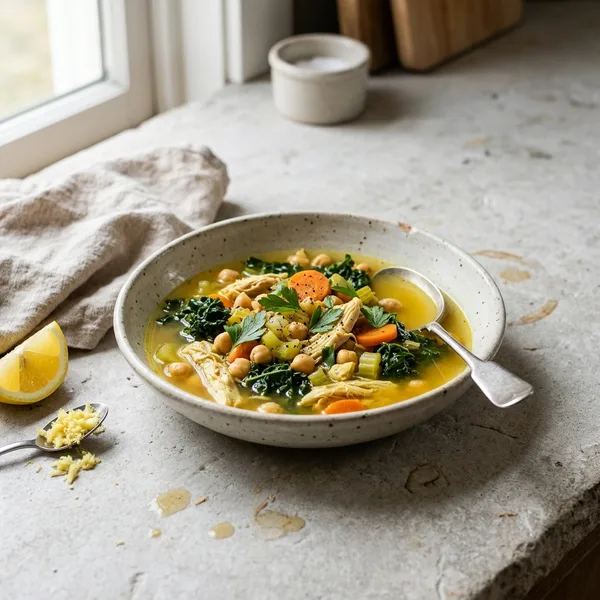
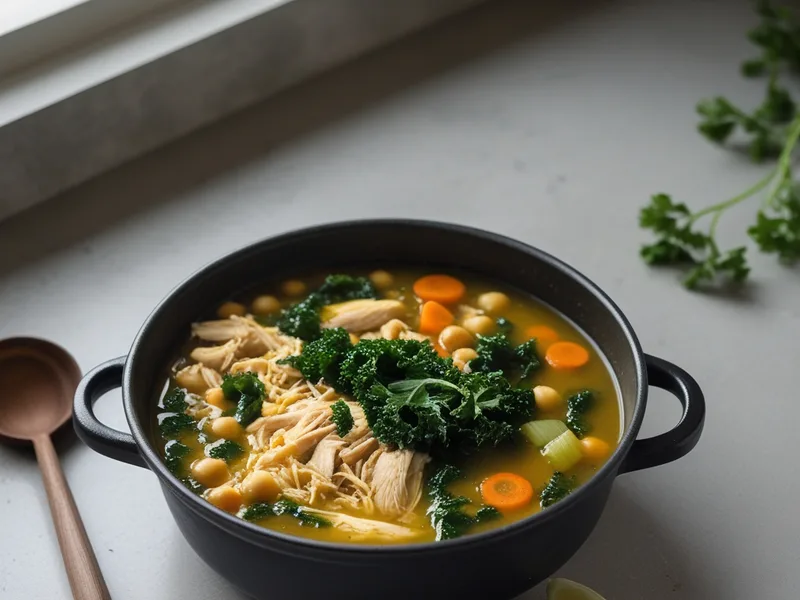
A golden pot of chicken, chickpeas and lacinato kale, warmed with fresh ginger, turmeric and black pepper and finished with lemon and parsley. Six bowls of 310 calories and 35 g of protein, and an honest look at what the turmeric and ginger trials tested.
Ingredients
Instructions
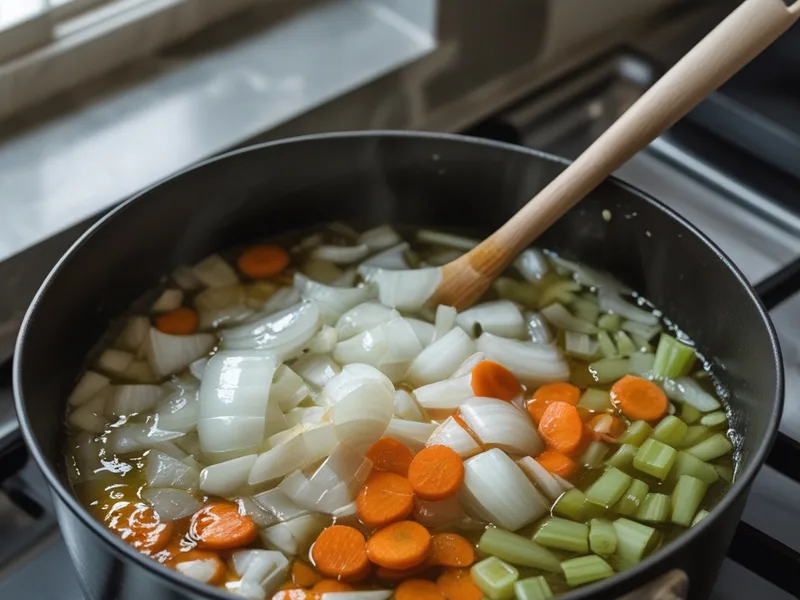
- Soften the onion, carrots and celery. Warm the olive oil in a large pot over medium heat. Add the onion, carrots and celery and cook for about 8 minutes, stirring now and then, until the onion is soft and translucent.
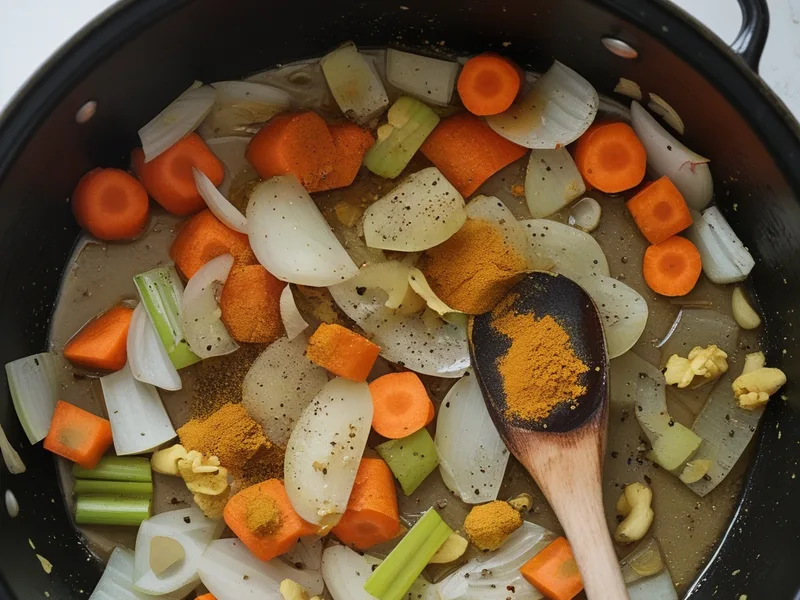
- Bloom the ginger, garlic and turmeric. Stir in the garlic, grated ginger, turmeric and black pepper and cook for 1 minute, until the vegetables turn golden and the ginger smells sharp and sweet. Keep stirring so the turmeric does not scorch.
- Poach the chicken in the broth. Pour in the broth and water, then slide in the whole chicken breasts. Bring to a boil, lower the heat and simmer, covered, for 15 to 18 minutes, until the thickest part of the chicken reads 165 °F (74 °C) on a food thermometer.
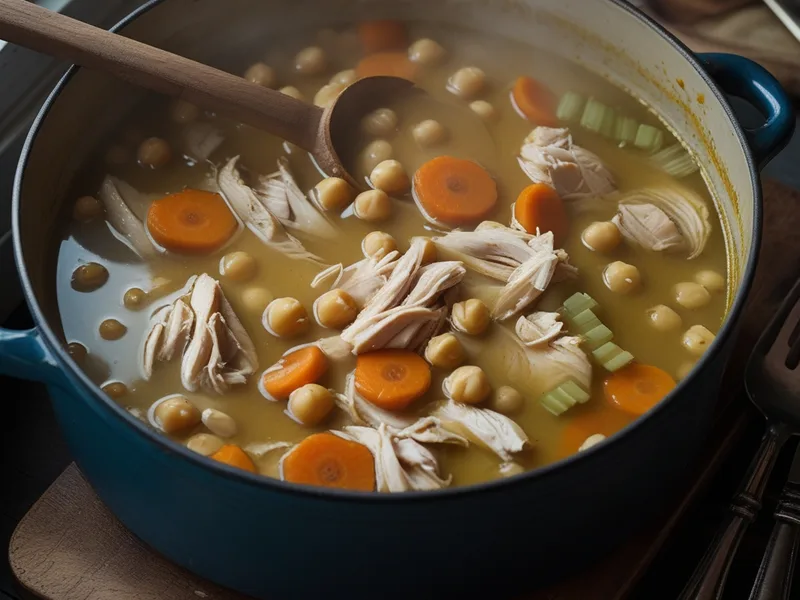
- Shred the chicken and add the chickpeas. Lift the chicken onto a board and shred it with two forks. Return it to the pot with the drained chickpeas and simmer for 5 minutes.
- Finish with kale, lemon and parsley. Stir in the kale and cook for 3 to 4 minutes, until it is dark green and tender. Take the pot off the heat, then add the lemon juice and parsley. Taste, and add a pinch of salt only if it needs it.
Notes
Poaching the breasts whole and shredding them at the end keeps the chicken tender; cubes of raw breast boiled for half an hour turn stringy.
Turmeric stains wooden spoons and pale pot lids for good: use a dark or enamel pot if you can.
Lemon goes in off the heat, so it stays bright instead of tasting cooked.
Nutrition Facts
Per serving (estimated)
- Total Fat
- 10 g
- Sodium
- 273 mg
- Total Carbohydrate
- 20 g
- Protein
- 35 g
General information, not medical or dietary advice. Nutrition values are estimates. See our full disclaimer.
Frequently asked questions
Is this soup hard to make?
Not according to Kerth, who cooked the pot straight from the card without changing a thing and found it easy and quick to bring together. It came out delicious, with the texture Kerth had hoped for, and it is going back on Kerth's stove.
What is a good 5-ingredient anti-inflammatory soup for inflammation?
Low-sodium chicken broth, chicken breast, fresh ginger, turmeric and kale make a short version of this pot: bloom the ginger and turmeric in a little oil, poach the chicken in the broth, shred it, and wilt the kale. No soup has been shown to treat inflammation; this is simply a good bowl built on vegetables, legumes and lean protein.
What to drink first thing in the morning to reduce inflammation?
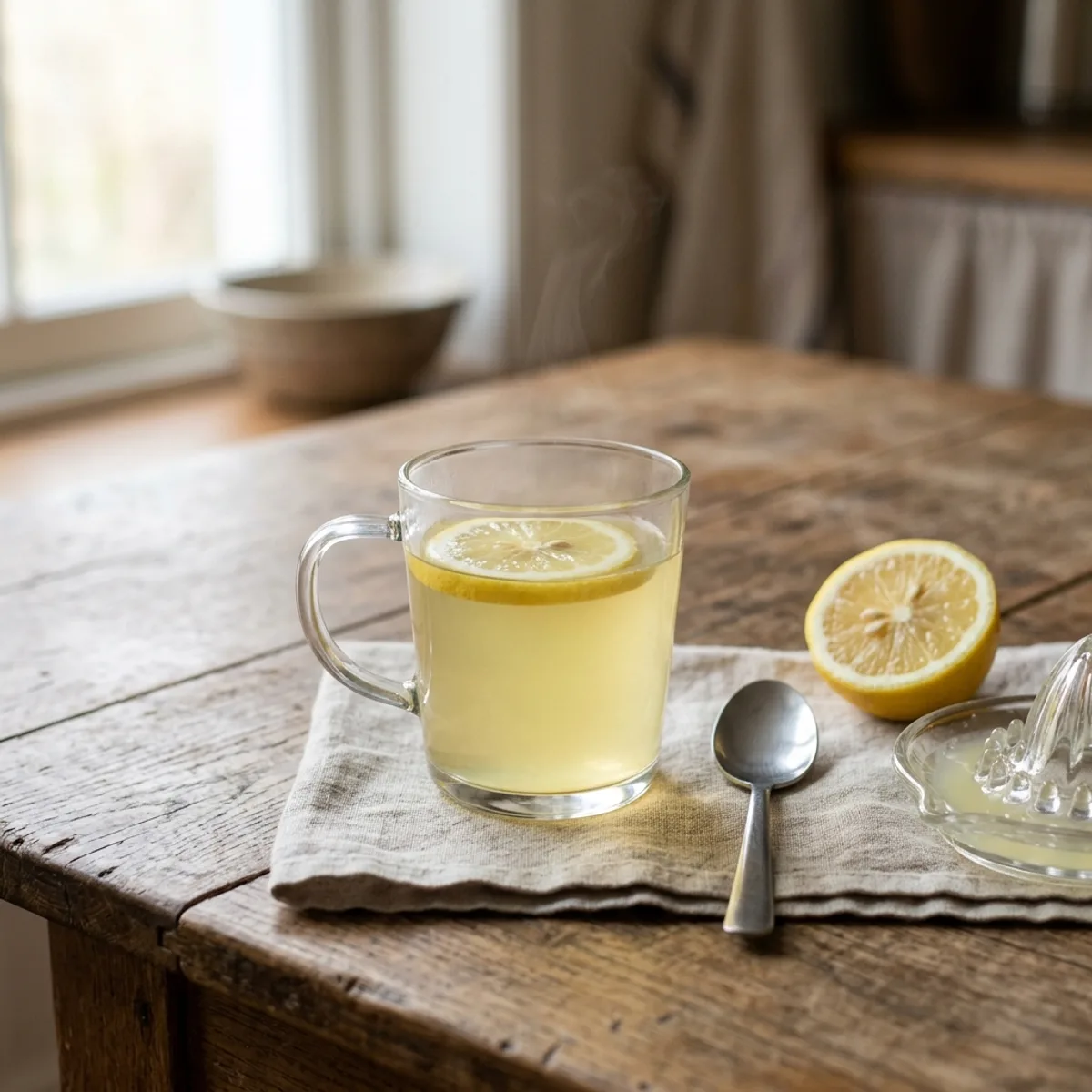
No morning drink has been shown to lower inflammation on its own; the ginger and curcumin trials tested supplements, not a cup of anything. Water, tea or a mug of hot broth are all fine ways to start the day, and if you have an inflammatory condition, your doctor is the right person to ask.
What are the top 3 anti-inflammatory foods?
There is no official top three. NCCIH says we do not know enough to conclude that turmeric or curcumin helps any health condition, so we would rather cook a whole pot of vegetables, legumes and olive oil than chase one star food.
What soup is good for a gassy stomach?
NIDDK lists legumes such as beans and lentils, and cruciferous vegetables such as kale, among the foods that may lead to excess gas, so this soup is not the one to pick on a gassy day. If gas is a regular problem, NIDDK suggests talking with your doctor, who may ask you to keep a food and symptom diary.
Comments
Tried it? Tell us how it went: your comment helps other readers.