Quick answer: Health sources describe a small amount in water, now and then, as a short-term remedy for indigestion: about 1/2 teaspoon in at least 4 ounces, for no more than 2 weeks. That is about 629 mg of sodium (USDA). Ask a doctor first if you have high blood pressure, heart or kidney disease, take medicine or are pregnant.
The box is in almost every kitchen, and the internet is full of videos where someone stirs a spoonful into a glass. So, can you drink baking soda? Short answer: a little, rarely, and not for everyone. I read the health sources so you do not have to guess, and then I put baking soda where it belongs on this site: in a loaf of whole wheat soda bread, a recipe where it does a real job.
Can you drink baking soda? The options at a glance
| Way to use it | Sodium from the baking soda (USDA) | What the sources say |
|---|---|---|
| A glass for occasional indigestion: 1/4 teaspoon in a glass of water | 315 mg | Within the amounts sources give; short term only |
| A glass for occasional indigestion: 1/2 teaspoon in at least 4 oz of water | 629 mg | Within the amounts sources give; no more than 2 weeks |
| Every day, with or without lemon | Adds up daily | Not advised; no source supports it |
| For acid reflux | See the amounts above | Can ease occasional heartburn; over-the-counter antacids are more predictable |
| For weight loss or a "cleanse" | Same as above | No trial found |
| Whole wheat soda bread, 1 slice | 157 mg | Normal kitchen use; MedlinePlus calls it nontoxic in cooking and baking |
What baking soda does in your body
Baking soda is sodium bicarbonate, a base. MedlinePlus describes it as an antacid used for heartburn and acid indigestion, and says it increases the amount of sodium in your body. In the stomach it meets acid and neutralizes some of it, and the reaction releases gas. That is why it can quickly settle occasional heartburn, and also why it can cause burping or bloating.
The catch is sodium. By USDA data, a level teaspoon of baking soda (4.6 g) has about 1,259 mg of sodium, which is 55% of the 2,300 mg Daily Value on U.S. nutrition labels. Half a teaspoon has about 629 mg.
How much baking soda can you drink?
There is no everyday dose. What exists are directions for occasional, short-term use:
- MedlinePlus: dissolve the powder in at least 4 ounces (120 ml) of water, measure it with a measuring spoon, take it 1 to 2 hours after meals if you use it as an antacid, and do not use it for longer than 2 weeks unless your doctor tells you to.
- Medical News Today: adults who are not pregnant can mix about half a teaspoon with at least half a cup of water for temporary indigestion, for no longer than 2 weeks at a time.
- A product label quoted in a toxicology review from the California Poison Control System: 1/2 teaspoon dissolved completely in 4 fluid ounces of water, as needed, with a ceiling of seven half teaspoons in 24 hours, or three if you are over 60. By USDA numbers, seven half teaspoons would be about 4,403 mg of sodium, almost twice the Daily Value.
- WebMD gives a lower starting point, 1/4 teaspoon in a glass of water.
- Everyday Health quotes a dietitian who says 1/4 to 1/2 teaspoon in 4 to 8 ounces of water, and adds that over-the-counter antacids are safer and more predictable for this purpose.
Read those as ceilings and short-term limits, not targets. The sources do not agree on one number, and that is a reason to start with less, not more. If you need it more than occasionally, the cause of your heartburn is worth a doctor's visit. More powder or less water does not make it work better, only harder on your body.
Can you drink baking soda for acid reflux?
For occasional heartburn, baking soda in water can help for a short time, because it neutralizes acid. It does not treat what causes reflux. Medical News Today says it can ease the symptoms of a stomach ulcer but is not a cure. If heartburn comes back often, or you have chest pain, trouble swallowing or vomiting, see a doctor instead of reaching for the box again.
Can you drink baking soda and lemon everyday?
We found no source that supports a daily baking soda and lemon drink. Lemon is an acid, so when it meets baking soda it reacts and fizzes, and some of the baking soda is used up before you drink it. What is left is still sodium, and the sources limit baking soda to no more than 2 weeks at a time. For what the viral drink does and does not do, see my article on the baking soda recipe for weight loss, which has the full drink recipe and its safety rules, so I do not repeat it here.
Can you drink baking soda to lose weight?
We found no trial showing that drinking baking soda helps you lose weight. The PubMed studies on sodium bicarbonate we found were about sport and about digestion, not weight. The same sodium limits apply, so do not use it for that goal.
What the evidence says
I searched PubMed for trials and reviews on baking soda and sodium bicarbonate in people. None of the results tests a kitchen-sized glass for health. Here is what the ones I read found, and where they stop.
- A 2021 umbrella review in the Journal of the International Society of Sports Nutrition (PMID 34794476) summarized 8 meta-analyses of sodium bicarbonate and exercise performance. For some outcomes, such as peak power in the Wingate test, the certainty was moderate; for others, such as endurance events of about 45 seconds to 8 minutes, it was low. The authors concluded it acutely improves some kinds of high-intensity performance, and asked for more research in women.
- A 2025 systematic review with meta-analysis in the same journal (PMID 40205676) looked at supplements in competitive swimmers: 23 studies and 422 swimmers. Only creatine had a significant effect on performance. Sodium bicarbonate did not show a significant effect (p above 0.05), though the authors say it may help in some distances and call for more research.
- A 2020 randomized crossover trial (PMID 31751936) gave 14 trained men sodium bicarbonate in capsules, 0.3 g per kilogram of body weight, in three capsule types or a placebo. Enteric-coated capsules caused fewer digestive symptoms than gelatin capsules for up to 3 hours. For a person of 70 kg, that is 21 g, a sport-supplement dose and far above any kitchen amount, but it shows that digestive upset is a known effect of sodium bicarbonate.
- A 1977 trial in healthy volunteers (PMID 16256) studied how sodium bicarbonate and aluminium hydroxide change the absorption of indomethacin, an anti-inflammatory drug. Sodium bicarbonate appeared to increase its absorption and aluminium hydroxide reduced it. It is a small, old study of one drug, and the authors conclude that caution is needed when an antacid is taken with other medicines.
What this means: sodium bicarbonate is studied for sport, at doses far from a kitchen spoon, and the evidence there is rated low to moderate. No study I found shows a benefit for health from a daily baking soda drink. I make no promise about weight, detox or "alkalizing", and a drink is not a plan for any of them.
Who should not drink baking soda
Health sources name these groups:
- People with high blood pressure, heart or kidney disease, and anyone on a sodium-restricted diet. MedlinePlus says to check with your doctor first if you have high blood pressure, congestive heart failure, kidney disease or a sodium-restricted diet. Everyday Health quotes a dietitian who says these groups should steer clear.
- Pregnant or breastfeeding people. MedlinePlus says to tell your doctor if you are pregnant, plan to be, or are breastfeeding. A toxicology review describes pregnant patients who ate baking soda repeatedly and developed symptoms that looked like preeclampsia.
- Children. MedlinePlus says not to give sodium bicarbonate to children under 12 unless a doctor says so. Medical News Today says a parent or caregiver should not give a child baking soda.
- People who take medicine. MedlinePlus says to take it at least 2 hours apart from other medicines, and WebMD explains that baking soda can slow how the body absorbs some medicines and change how others work. MedlinePlus also lists it among the products that may interact with lithium, and the toxicology review says people taking diuretics should be advised against baking soda, because of the sodium load and the risk of low potassium.
Warning signs of too much
MedlinePlus says baking soda is considered nontoxic in cooking and baking, but swallowing a large amount can be poisonous. According to Medical News Today, the body draws water into the digestive system, which causes diarrhea and vomiting. The toxicology review describes serious problems from heavy, repeated use, including a drop in potassium and calcium that can lead to muscle weakness and abnormal heart rhythms.
Stop and call your doctor right away if you have a severe headache, vomit that looks like coffee grounds, slow breathing, swelling of the feet or lower legs, or black or bloody stools. In the United States, if someone has taken a large amount, call Poison Help at 1-800-222-1222, or 911 if they have collapsed, had a seizure or have trouble breathing. MedlinePlus also calls "soda loading," drinking baking soda before sports, very dangerous.
Baking soda in food: why this recipe works
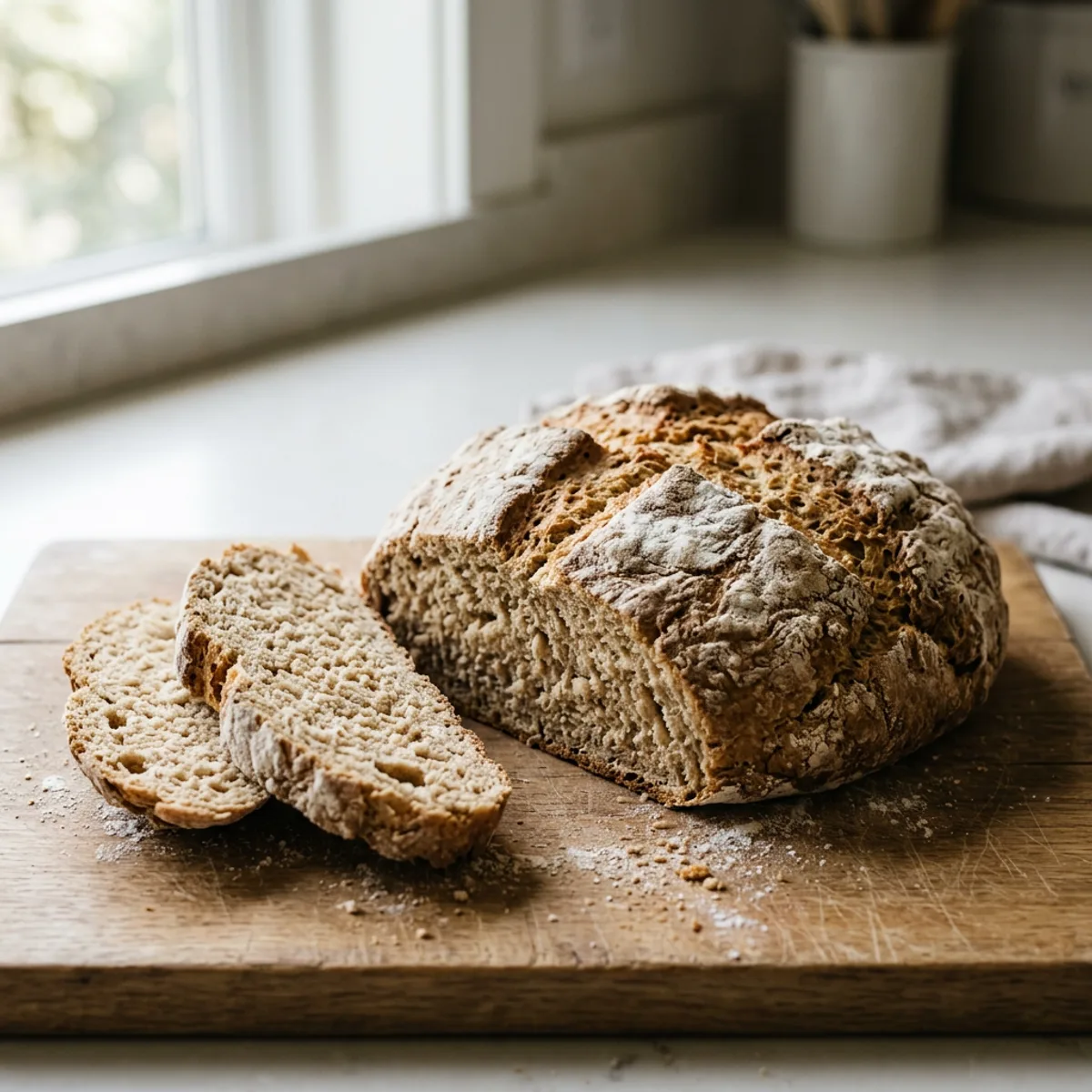
Most of the baking soda people eat is in food, and bread is its oldest job. In a loaf, baking soda reacts with an acid, here Greek yogurt, and makes the gas bubbles that lift the dough. Most of it is used up in that reaction while the bread bakes.
The numbers show the difference. This loaf has 1 teaspoon of baking soda shared across 8 slices, so each slice carries about 157 mg of sodium from the baking soda, against 629 mg in a half-teaspoon glass. Bread still has sodium from the salt and the dairy, so I use half a teaspoon of salt, and the label numbers below are the full total.
Whole wheat yogurt soda bread: the recipe
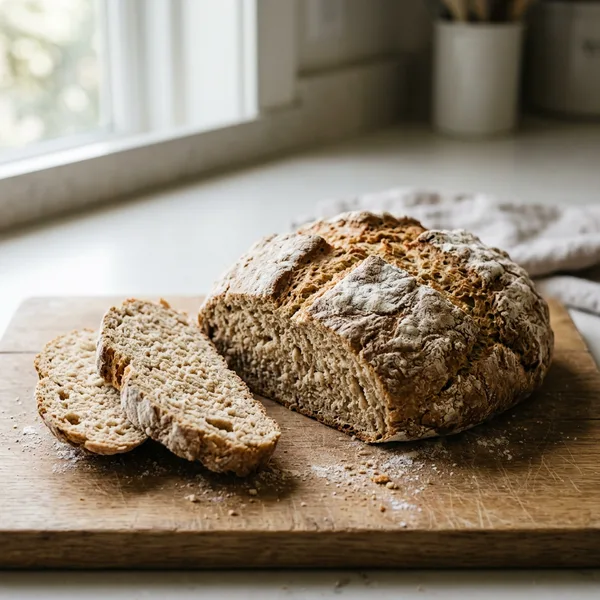
This is a classic Irish-style soda bread: no yeast, no kneading, one bowl and about 45 minutes. It uses half whole wheat flour for fiber and Greek yogurt for protein and the acid the baking soda needs. It makes 8 slices.
What goes into it
- Whole wheat flour. Two cups (240 g). It gives the loaf a nutty flavor and more fiber.
- All-purpose flour. One cup (125 g), so the loaf stays tender instead of dense.
- Baking soda. One level teaspoon. This is the only leavener, so measure it carefully.
- Salt. Half a teaspoon, less than many soda bread recipes use.
- Plain Greek yogurt. One cup, nonfat. It brings the acid, protein and moisture. For another way to use the tub, try the Greek yogurt protein parfait.
- Milk. Half a cup, plus a splash if the dough is dry.
Nutrition per slice
One slice (one eighth of the loaf) has about 185 calories, 9 g of protein, 35 g of carbohydrate, 1 g of fat and 322 mg of sodium, about 14% of the 2,300 mg Daily Value. Of that sodium, about 157 mg comes from the baking soda and the rest from the salt, the milk and the yogurt.
These are USDA estimates. The USDA weight for a cup of plain yogurt is used for the Greek yogurt, which is a little denser, so the real total can be slightly higher.
Tips and mistakes
- Whisk the dry ingredients well. A pocket of baking soda tastes bitter and soapy.
- Do not knead it like a yeast bread. Overworking makes the loaf tough.
- Bake it right after mixing, because the rise starts as soon as the dough is wet.
- Use plain baking soda, not baking powder, which has its own acid and different amounts.
Storage
It is best on the day it is baked. Wrap what is left and keep it at room temperature for about 2 days, or slice it and freeze the slices to toast later.
How we researched this
I read the pages linked above on October 19 and 20, 2026: MedlinePlus on sodium bicarbonate and on baking soda overdose, Everyday Health, Medical News Today, WebMD and a toxicology review, "Baking Soda Can Settle the Stomach but Upset the Heart" (PMC), from the California Poison Control System. The amounts are the ones those sources give, never a recommendation for you. I searched PubMed on October 20, 2026 and cited the studies I read. Nutrition values come from USDA FoodData Central.
Can You Drink Baking Soda? The Safe Amount, and a Whole Wheat Soda Bread to Use It In
A little baking soda in water is an old home remedy for occasional indigestion, but it is high in sodium and some people should skip it. Here is the amount and the limits health sources give, and an easy whole wheat yogurt soda bread, the everyday way baking soda goes into food.
Ingredients
Instructions
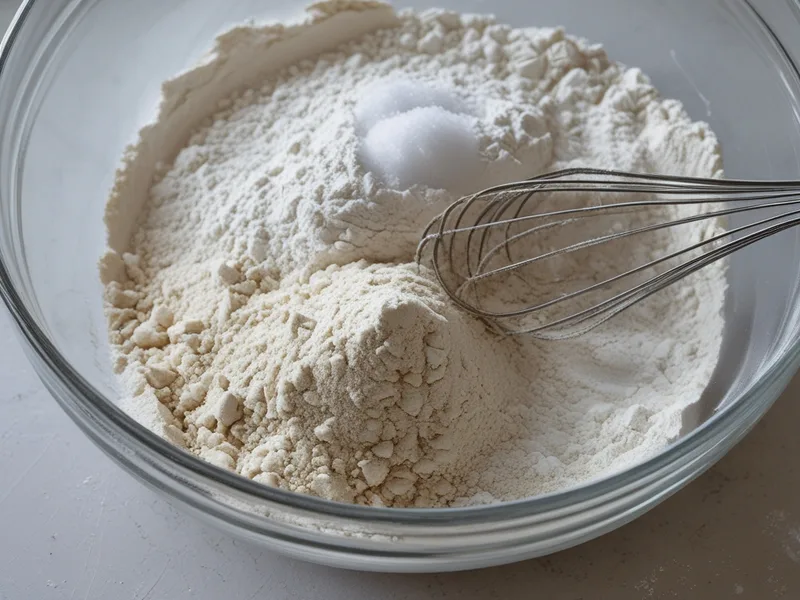
- Heat the oven and whisk the dry ingredients. Heat the oven to 400°F (200°C) and line a baking sheet with parchment paper. In a large bowl, whisk both flours, the baking soda and the salt for a full minute, so the baking soda is spread evenly with no pockets of powder.
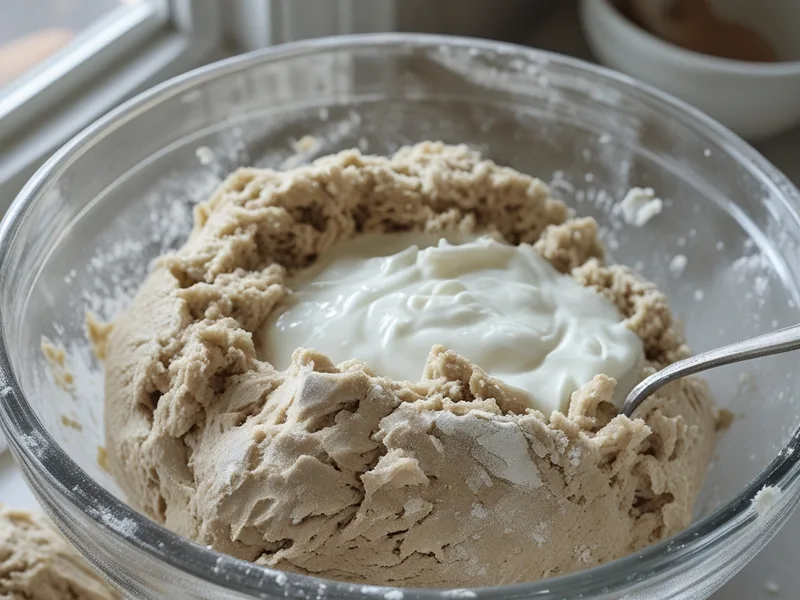
- Make the dough. Add the Greek yogurt and the milk. Stir with a fork until a shaggy dough forms, adding a splash more milk if there are dry patches. Do not knead it for long; 30 seconds is enough, because the baking soda starts working as soon as it is wet.
- Shape and score. Turn the dough onto a floured counter and pat it into a round about 2 inches (5 cm) thick. Move it to the baking sheet and cut a deep cross across the top with a floured knife, about 1/2 inch (1.5 cm) deep.
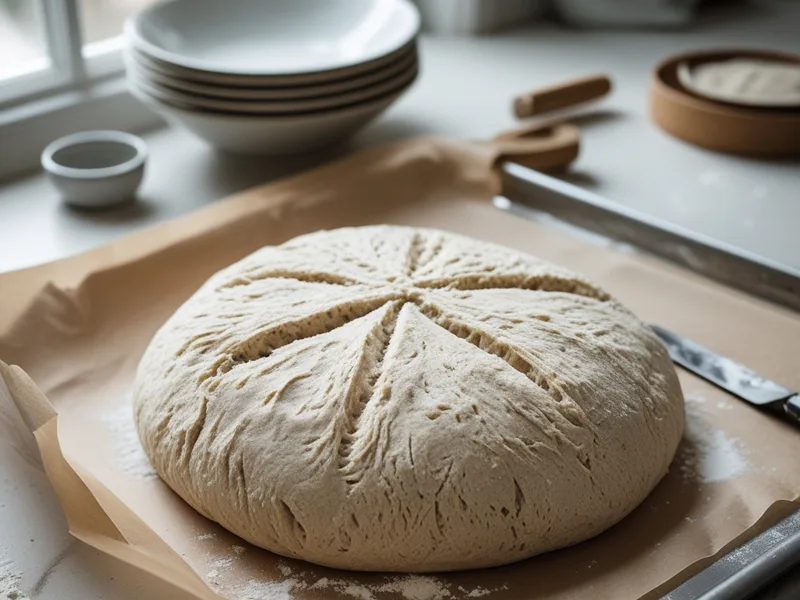
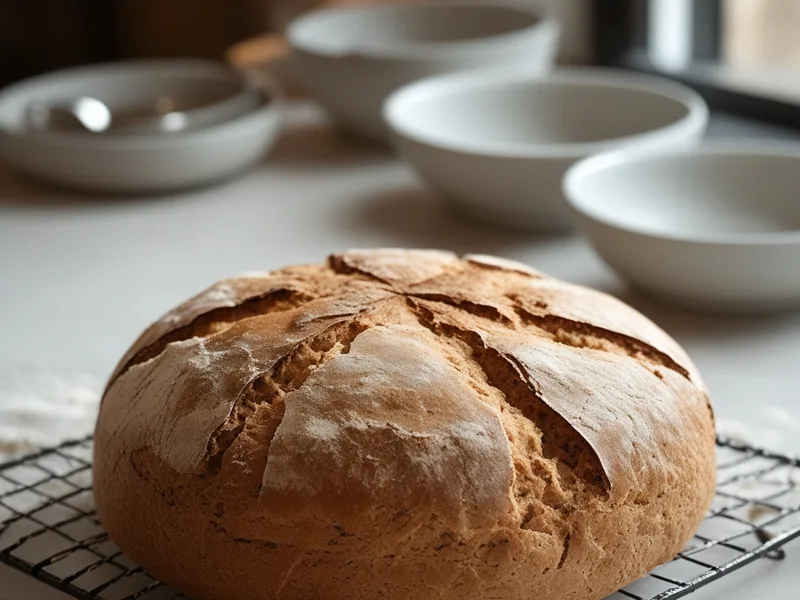
- Bake and cool. Bake for 30 to 35 minutes, until the loaf is golden and sounds hollow when you tap the bottom. Cool on a rack for at least 20 minutes before slicing, so the crumb sets.
Notes
Bake right away. Baking soda reacts with the yogurt as soon as the dough is mixed, so do not leave it on the counter.
Keep the 1 teaspoon level. More baking soda does not make a better loaf; it leaves a bitter, soapy taste.
Best on the day it is baked. Wrap what is left and keep it at room temperature for about 2 days, or slice and freeze it.
Nutrition Facts
Per serving (estimated)
- Total Fat
- 1 g
- Sodium
- 322 mg
- Total Carbohydrate
- 35 g
- Protein
- 9 g
General information, not medical or dietary advice. Nutrition values are estimates. See our full disclaimer.
Frequently asked questions
What does a spoonful of baking soda do for your body?
Baking soda is a base, so it neutralizes some stomach acid, which is why it can calm occasional heartburn. A level teaspoon is also a lot of sodium: about 1,259 mg by USDA data, more than half of the 2,300 mg Daily Value. It is not a health drink, and larger amounts can be harmful.
What does drinking warm water and baking soda do?
We found no source saying that warm water changes the effect. Baking soda water works as an antacid in either case. The directions we read say to dissolve the powder completely in water. The amount and how long you take it matter far more than the temperature.
How much baking soda can I safely take per day?
There is no everyday amount. A product label quoted in a toxicology review says 1/2 teaspoon in 4 fluid ounces of water as needed, with no more than seven half teaspoons in 24 hours (three if you are over 60). MedlinePlus says not to use sodium bicarbonate for longer than 2 weeks unless your doctor tells you to.
Can baking soda cleanse your body?
We found no trial showing it does. Your kidneys and liver handle waste. A dietitian quoted by Everyday Health says many online claims about detoxing or rebalancing pH are overstated, and taking baking soda for that can instead upset your sodium and acid-base balance.
Can you drink baking soda every day?
Health sources say no. MedlinePlus says not to use it for longer than 2 weeks unless your doctor tells you to, and Medical News Today says that if symptoms last longer, there may be an underlying condition to treat.
Is the baking soda in bread the same as drinking it?
It is the same ingredient, but a different amount. Here, 1 teaspoon is shared across 8 slices, about 157 mg of sodium from the baking soda per slice, and it reacts with the yogurt while the bread bakes. MedlinePlus calls baking soda nontoxic when used in cooking and baking.

I’m Emma Bloom, founder and editorial voice behind Eat & Bloom. I share approachable recipes, practical nutrition tips and simple food ideas for everyday life, and I believe eating well should not be complicated or restrictive. Eat well. Find what works for you. Bloom.
Comments
Tried it? Tell us how it went: your comment helps other readers.